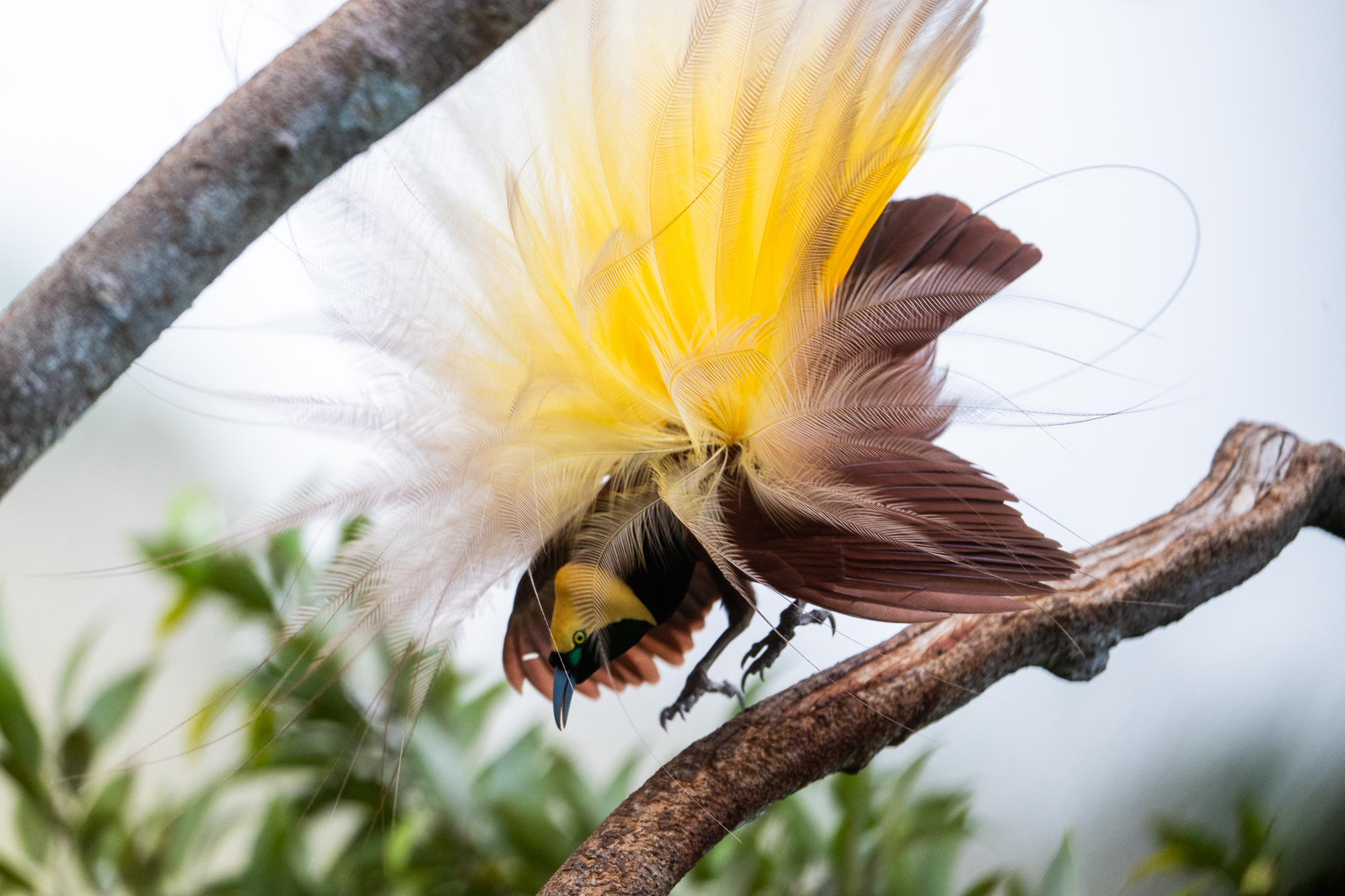
In search for Birds of Paradise
The past weeks, I had the honor of guiding the first ever dedicated Starling photography trip into West Papua. The main target, off course, would be to photograph around a dozen species of Birds of paradise, in addition to some of the many endemics that make the fauna of New Guinea unique.
We traveled for twenty days, and half the group stayed for an additional week to the infamous canopy hides on the remote Aru islands.
Apparently, we were the first Belgians to ever visit these!!
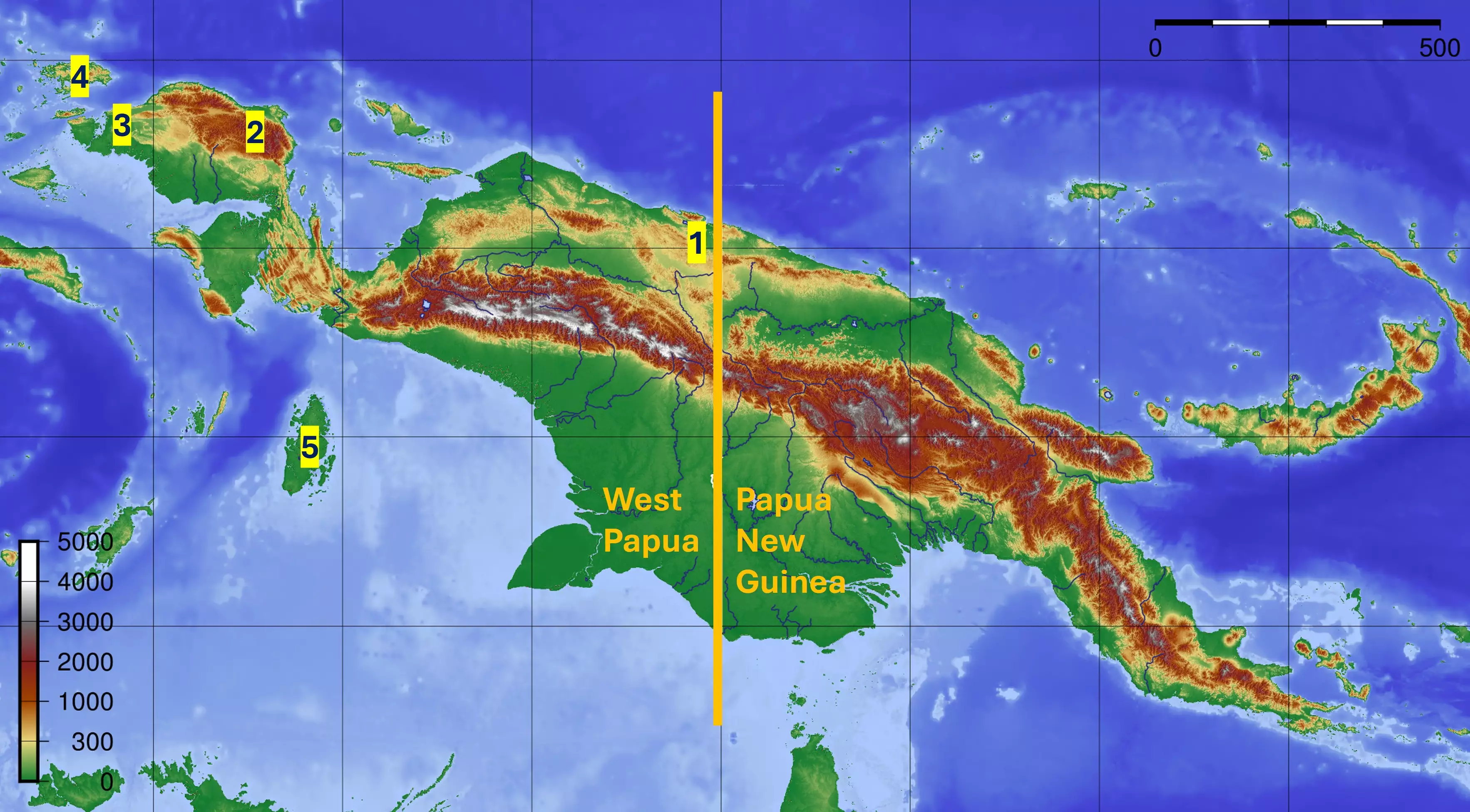
Places visited: 1. Nimbokrang, 2: Arfak mountains, 3: Malagofuk, 4: Waigeo (Raja Ampat), 5: Aru islands
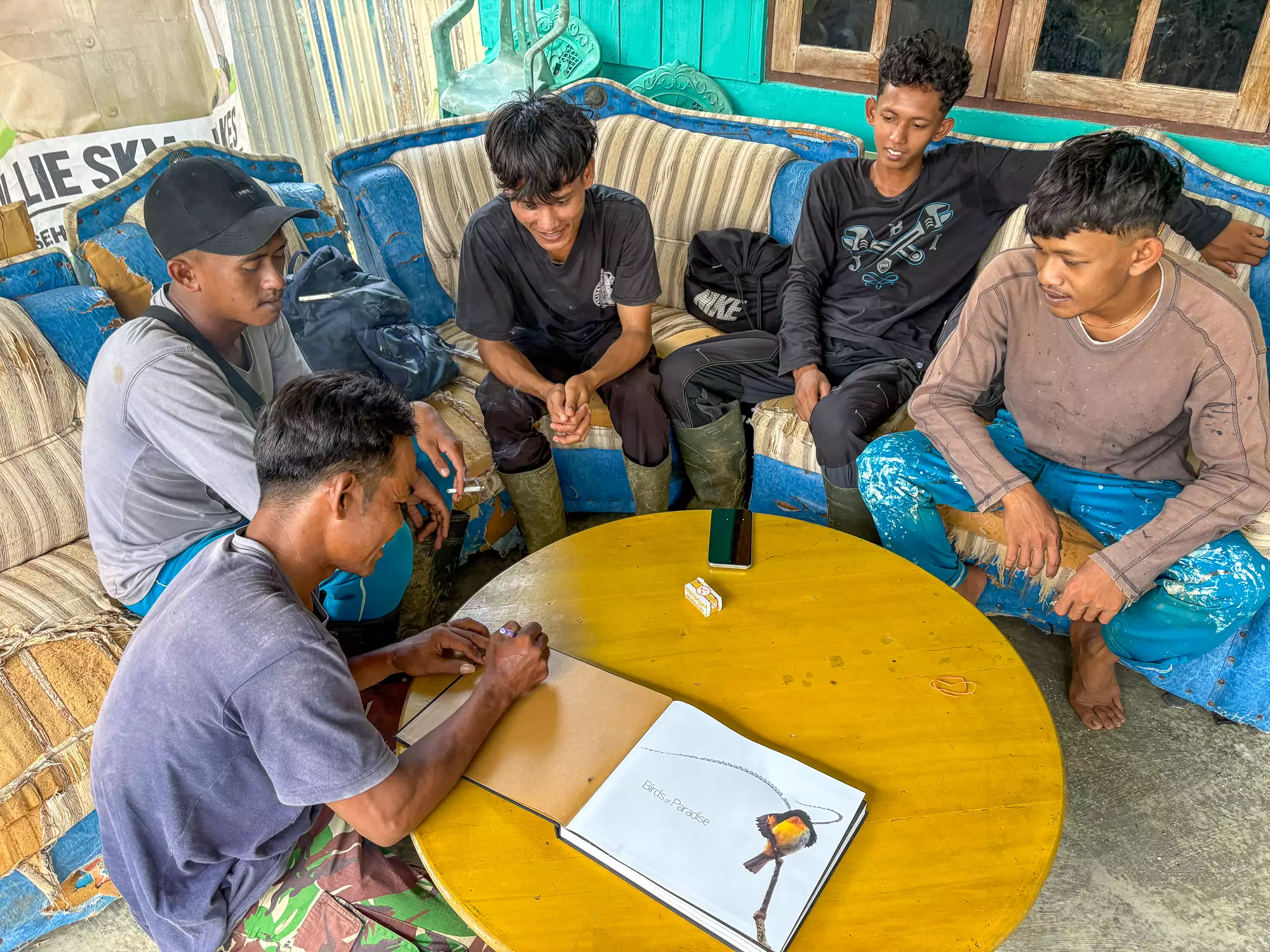
This has been a lifelong dream of mine (and probably every other naturalist and photographer). I vividly remember seeing the pictures in National Geographic of Tim Laman, who did more than 20 expeditions into New Guinea together with Ed Scholes, and watching their content in the Cornell lab of Ornithology “Birds of Paradise project”. So much so, that I actually took his huge book with me to Papua, and I planned on asking all the porters, guides, cooks and spotters to sign it in their local language.
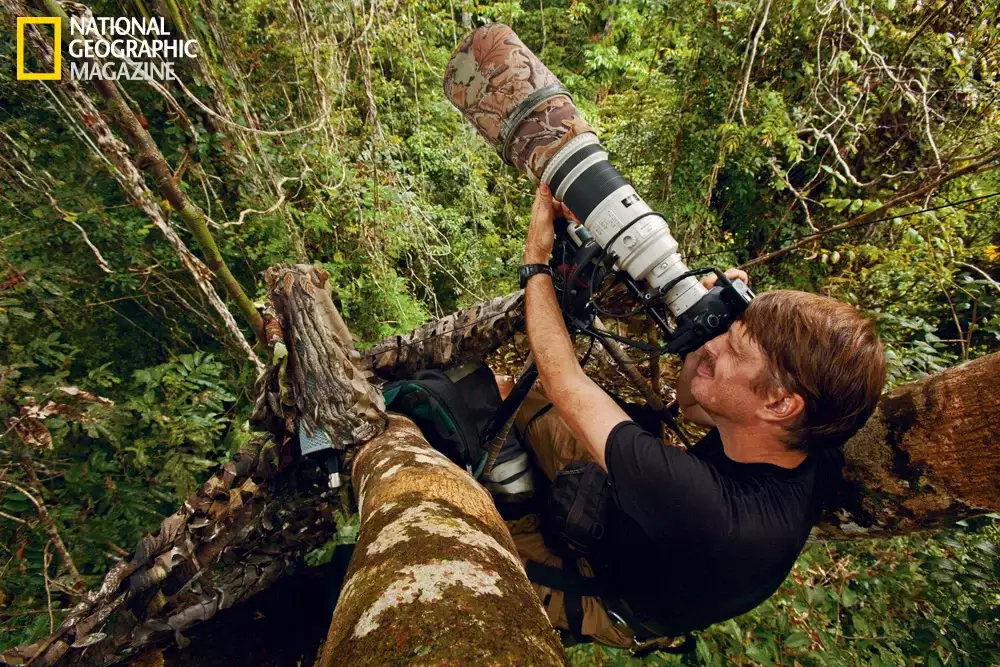
Tim is the only person alive who has seen all 43 species of Bird of paradise!!! They are that hard to see.
Worlds best kept secret?
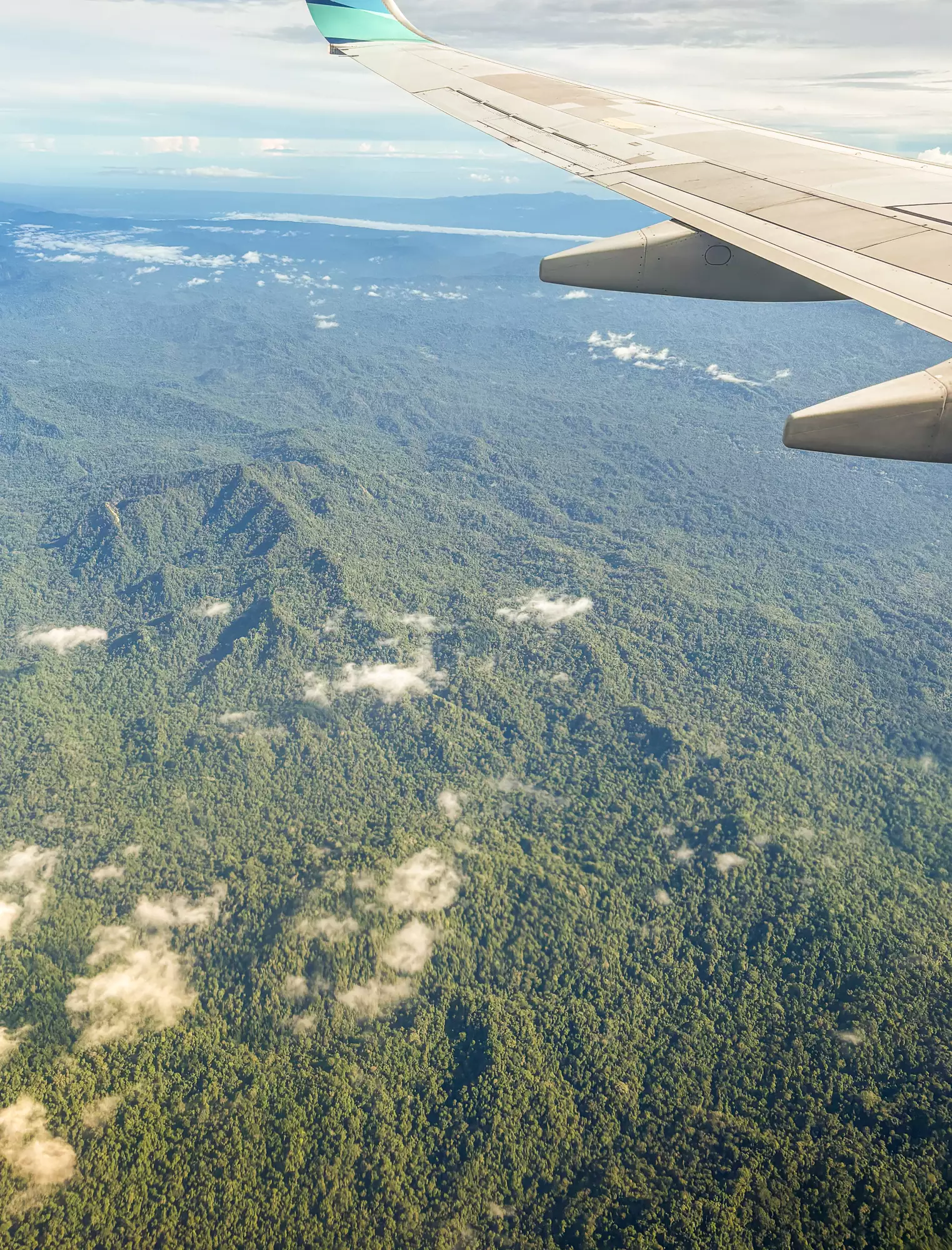
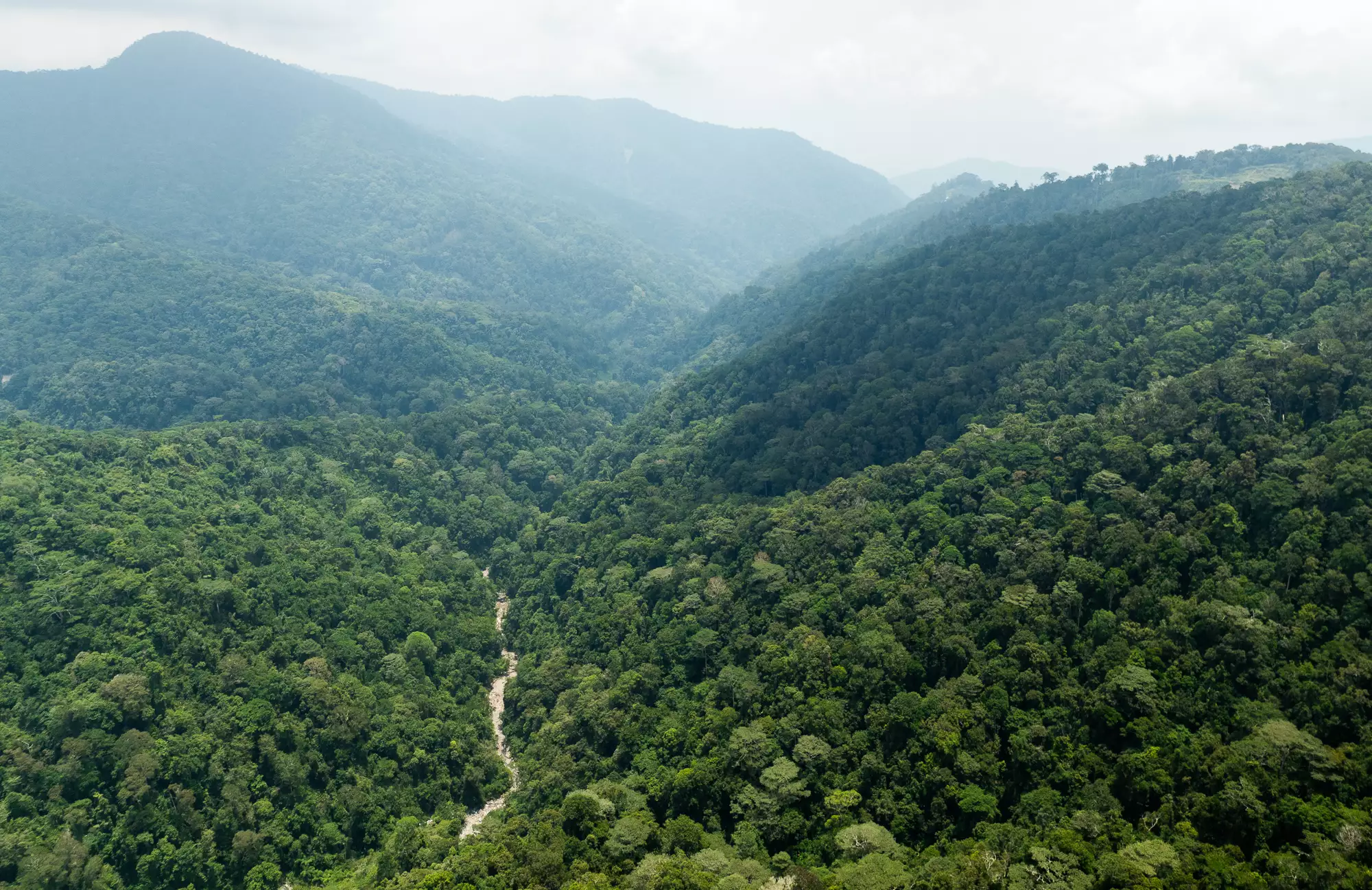
Few natural places on Earth carry the raw weight of West Papua. This country constitutes of jagged karst mountains, impenetrable lowland swamps, and moss-draped cloud forests. When flying over WP, it looks remarkably intact. Primary rainforests as far as the eye can see. No less than 85% of WP is still covered in rainforest, of which 85-90% (!!) is still primary rainforest. It simply is the best preserved rainforest on the planet.
And when flying over it, I got goosebumps for an hour.
What else makes West Papua’s Intact Nature Unique?
West Papua is one of the world's biodiversity hotspots. It showcases extraordinary endemism, which relies on two key factors:
- Topographical Fragmentation: High mountain passes, isolated valleys, and rugged limestone islands act as sky islands; where populations speciation happens rapidly in isolation.
- Crossroads of Biotas: It bridges Australian fauna (marsupials, monotremes, honeyeaters) with ancient Gondwanan plant lineages, yielding a biological composition found nowhere else on Earth.
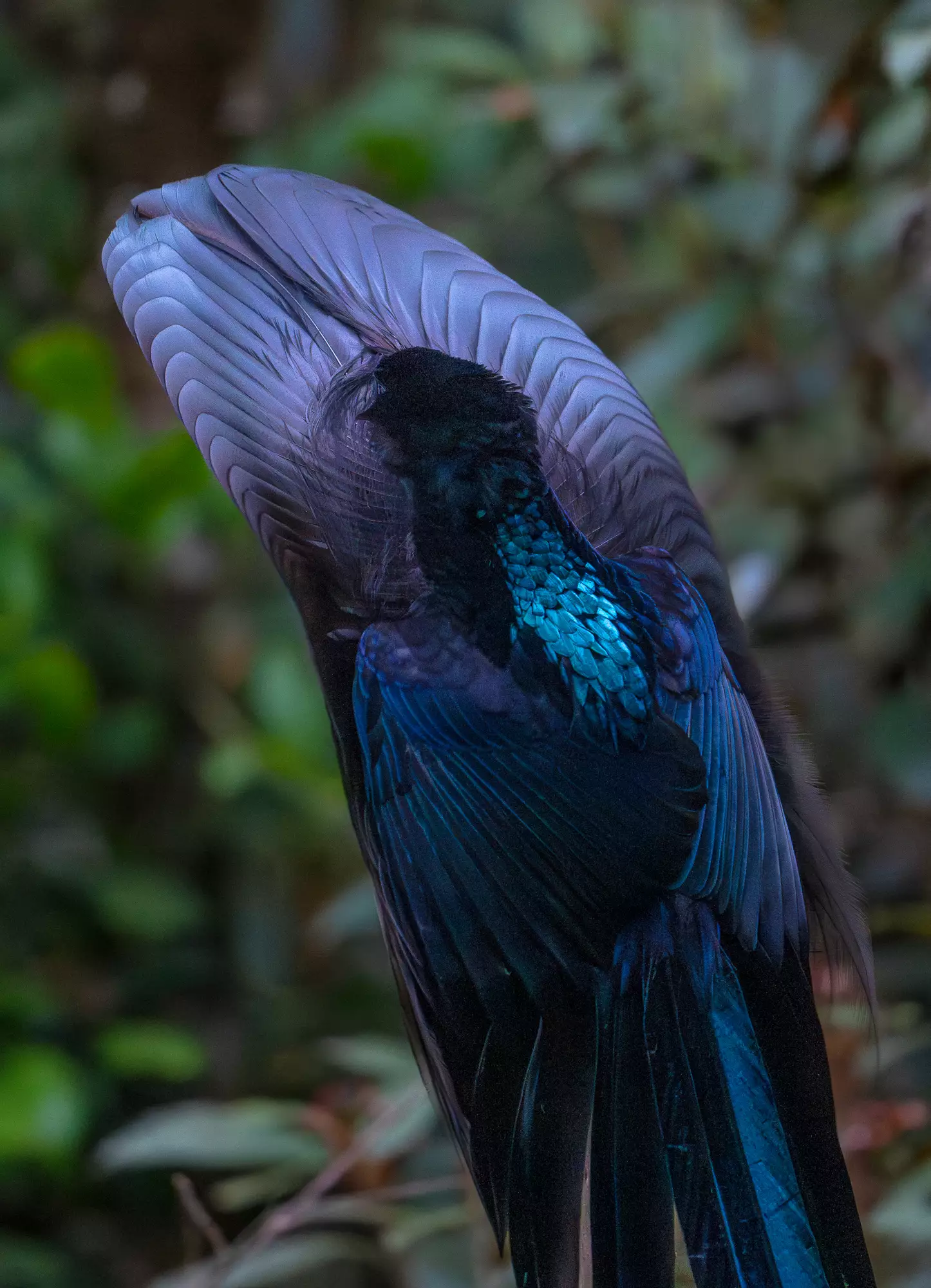
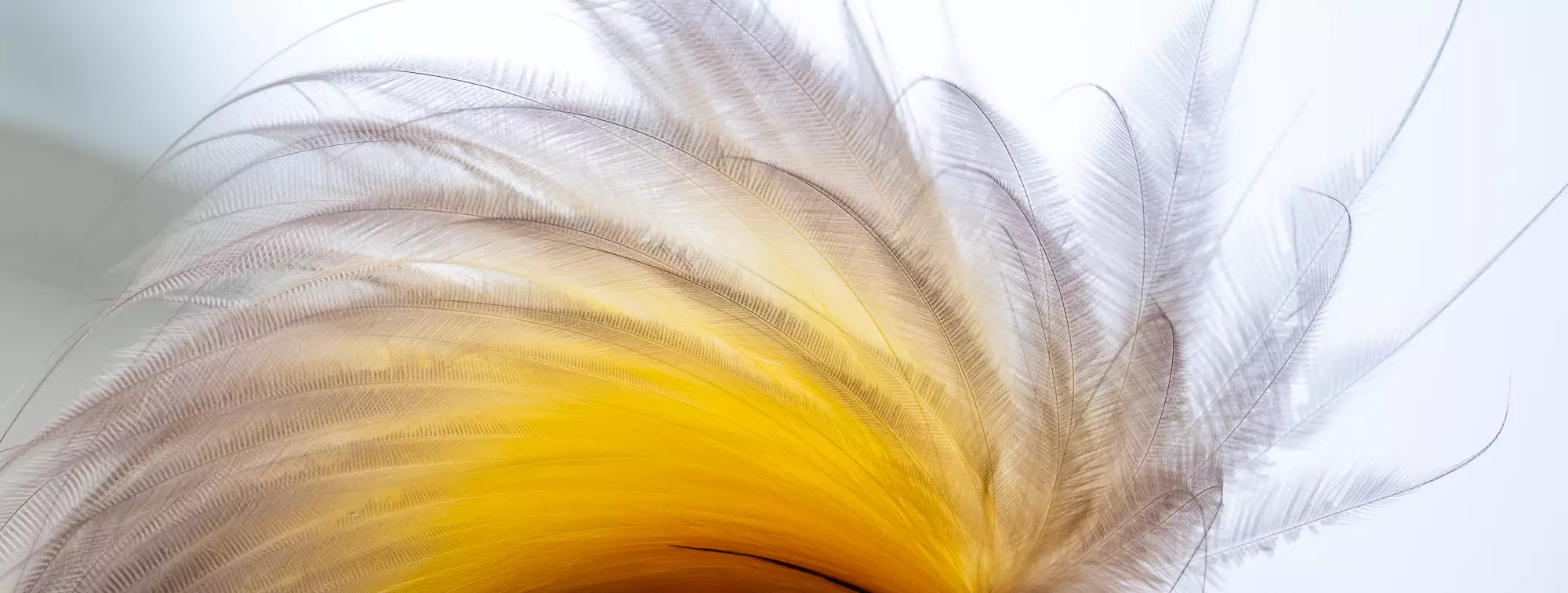
Some of the most extreme adaptations in the natural world, can only be found in New Guinea. I will explain these images further in the story
It feels like a shame that I have waited until now in this story to mention Alfred Wallace. Alfred Russel Wallace (1823–1913) was a British naturalist, explorer, and biologist best known for independently conceiving the theory of evolution through natural selection—prompting Charles Darwin to publish On the Origin of Species in 1859.
His extensive field research in the Malay Archipelago and Aru islands laid the foundation for modern biogeography. The Wallace Line is an invisible boundary proposed by Wallace in 1859 that runs through the Indonesian archipelago, separating the distinct ecozones of Asia and Wallacea/Australasia. The gap marks a deep oceanic trench that remained impassable even during glacial periods when sea levels dropped substantially. Islands west of the line were connected to the Asian continental shelf, while islands east remained isolated or connected to Australia/New Guinea.
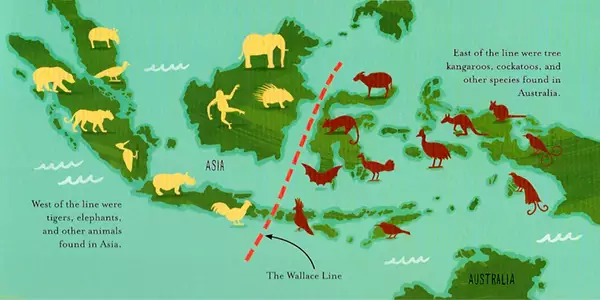
West of the Line: Asian fauna dominates—placental mammals such as tigers, rhinos, cats elephants, and apes, alongside Asian bird families.
East of the Line: Australasian fauna dominates—marsupials (like tree-kangaroos and cuscus), cockatoos, megapodes, and extreme endemism.
It is very important to note that this absence of monkeys, squirrels, cats and certain avian predators is exactly what was needed for the extreme Birds of paradise to evolve.
We started off the trip in Nimbokrang, that is the place to see Lesser, Twelve wired, King, Pale Billed and Black billed sicklebill Birds of paradise, in addition to a plethora of kingfishers and pittas. Which we saw first:
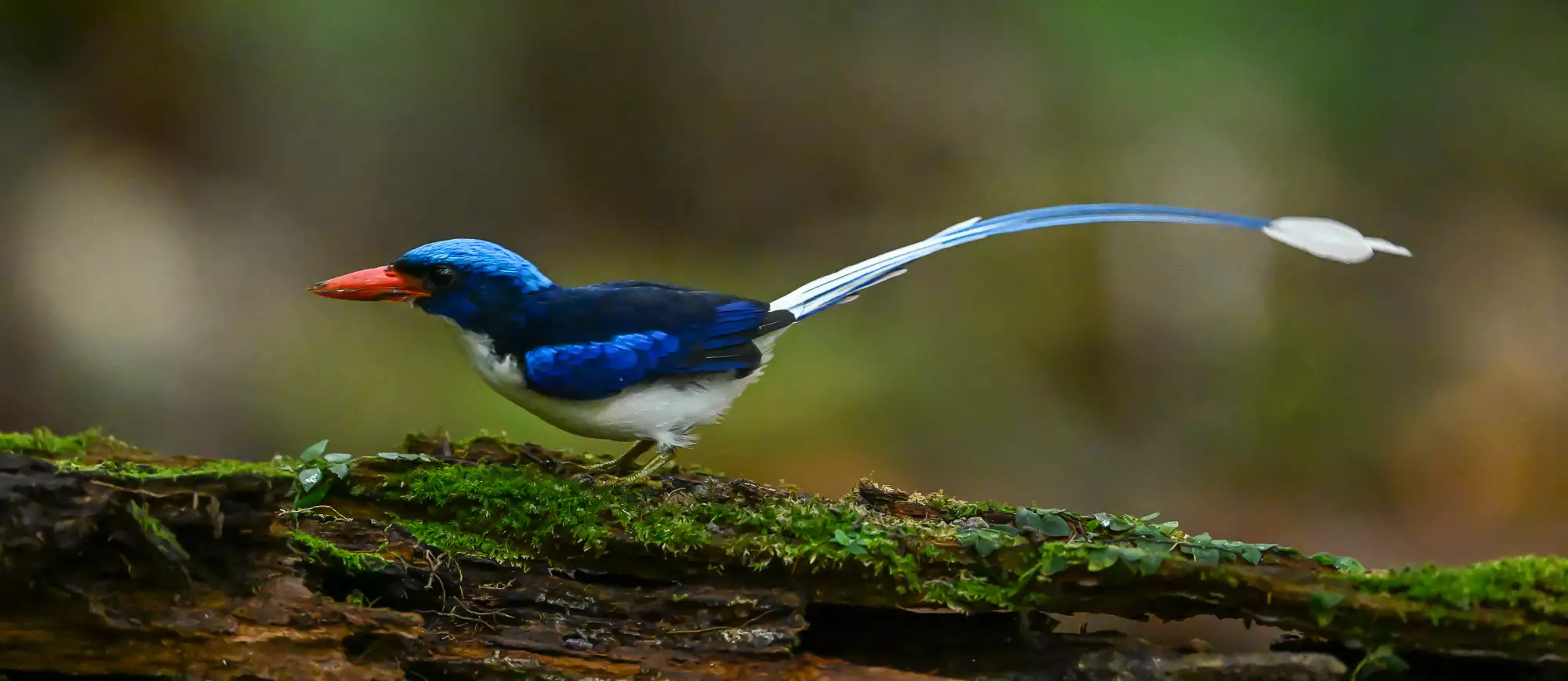
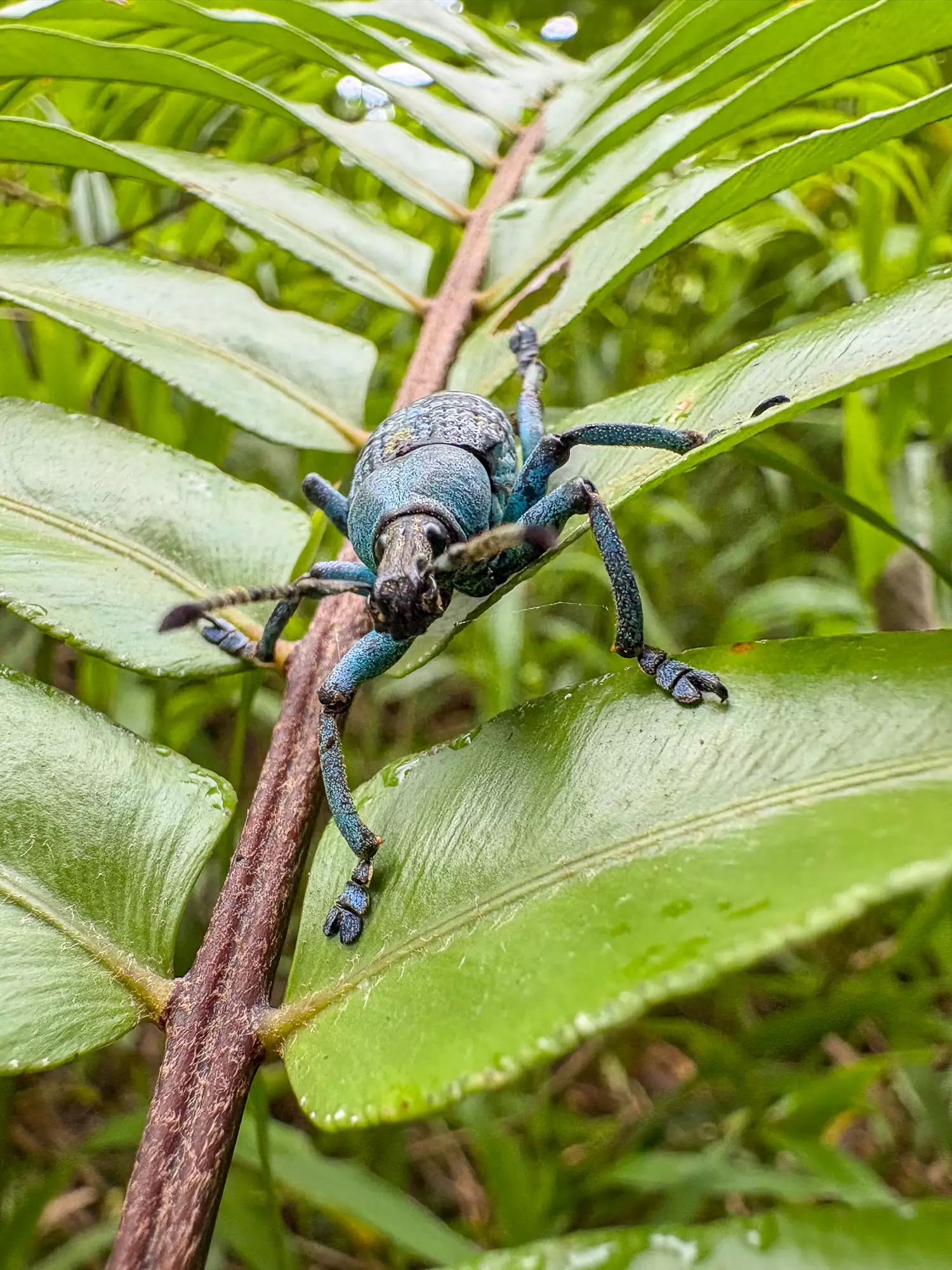
and then... it was about time for our first Birds of paradise...
But what is a Bird of paradise?
The BOP family Paradisaeidae originated approximately 15 to 24 million years ago. Molecular analyses reveal that these birds have evolved from crow ancestors. As the collision of tectonic plates created the mountains of New Guinea, an ancestral crow-like lineage radiated out into the emerging rainforest canopy, diversifying into the 43 (ish) species recognized today.
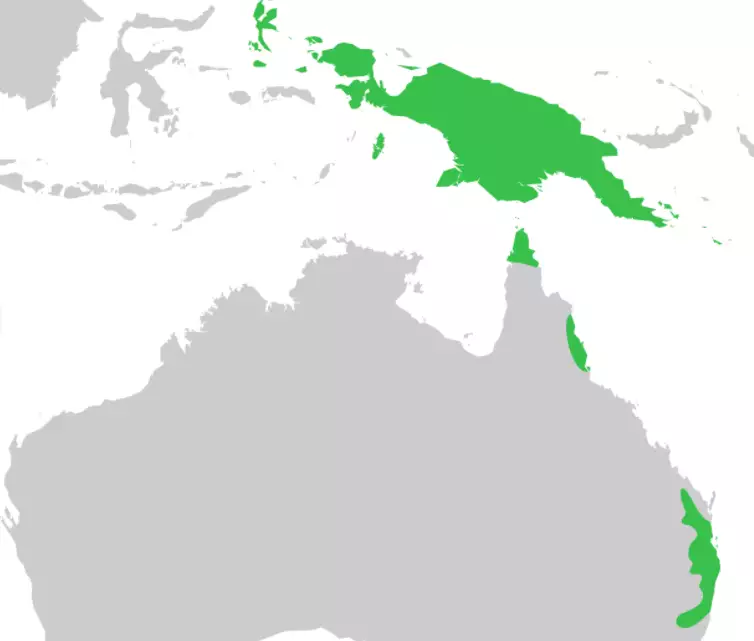
People often think that this could only happen on the isolated island of New Guinea, but that is not correct. Since New Guinea has only been an island for 8000 years. Before that it was always connected to Australia. But since Australia only has rainforests in Queensland and a bit further eastwards, BOP remained present mainly in the New Guinea “Peninsula” that later became the New Guinea island. In Australia, there basically is little suited habitat for them.
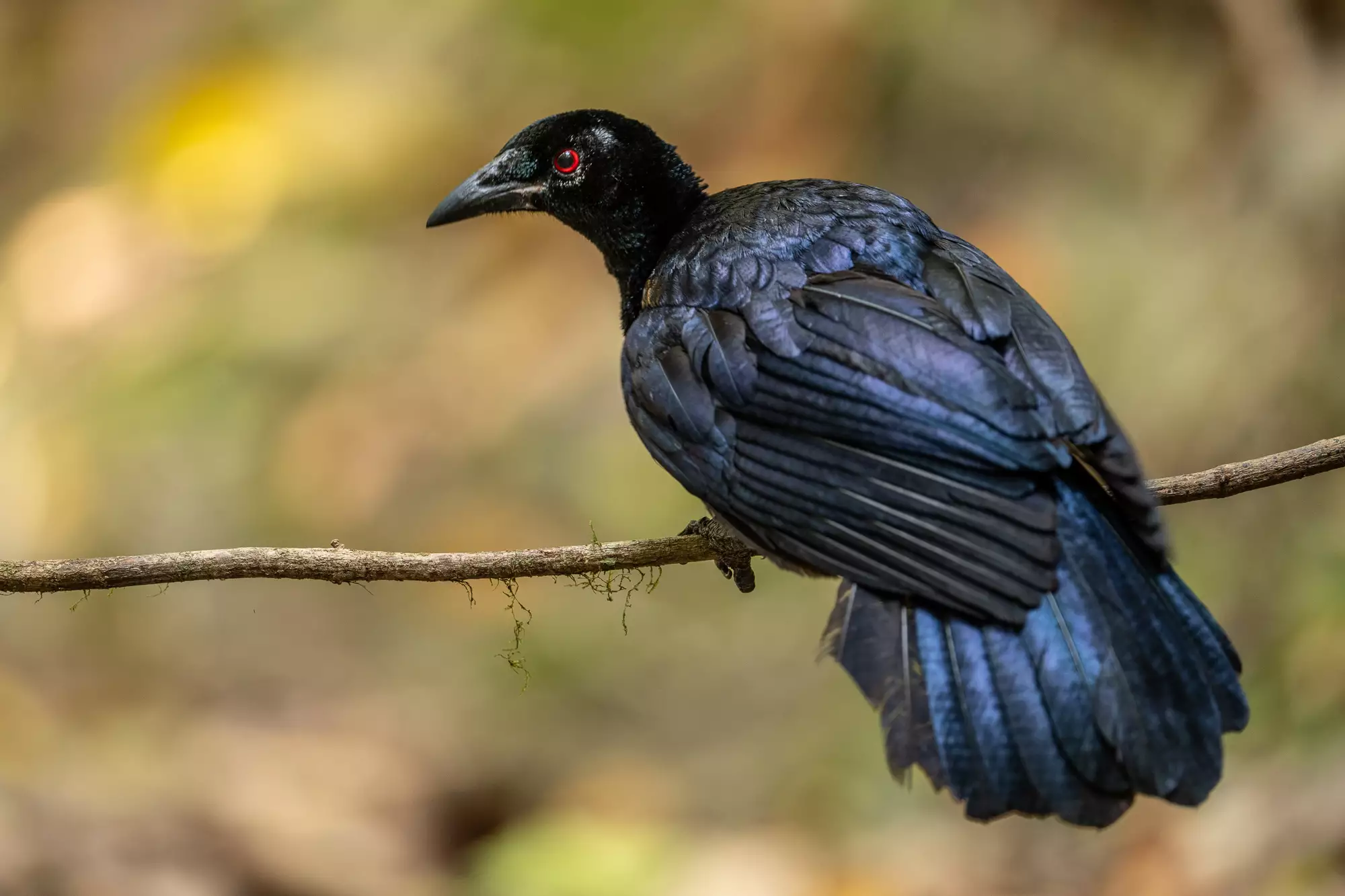
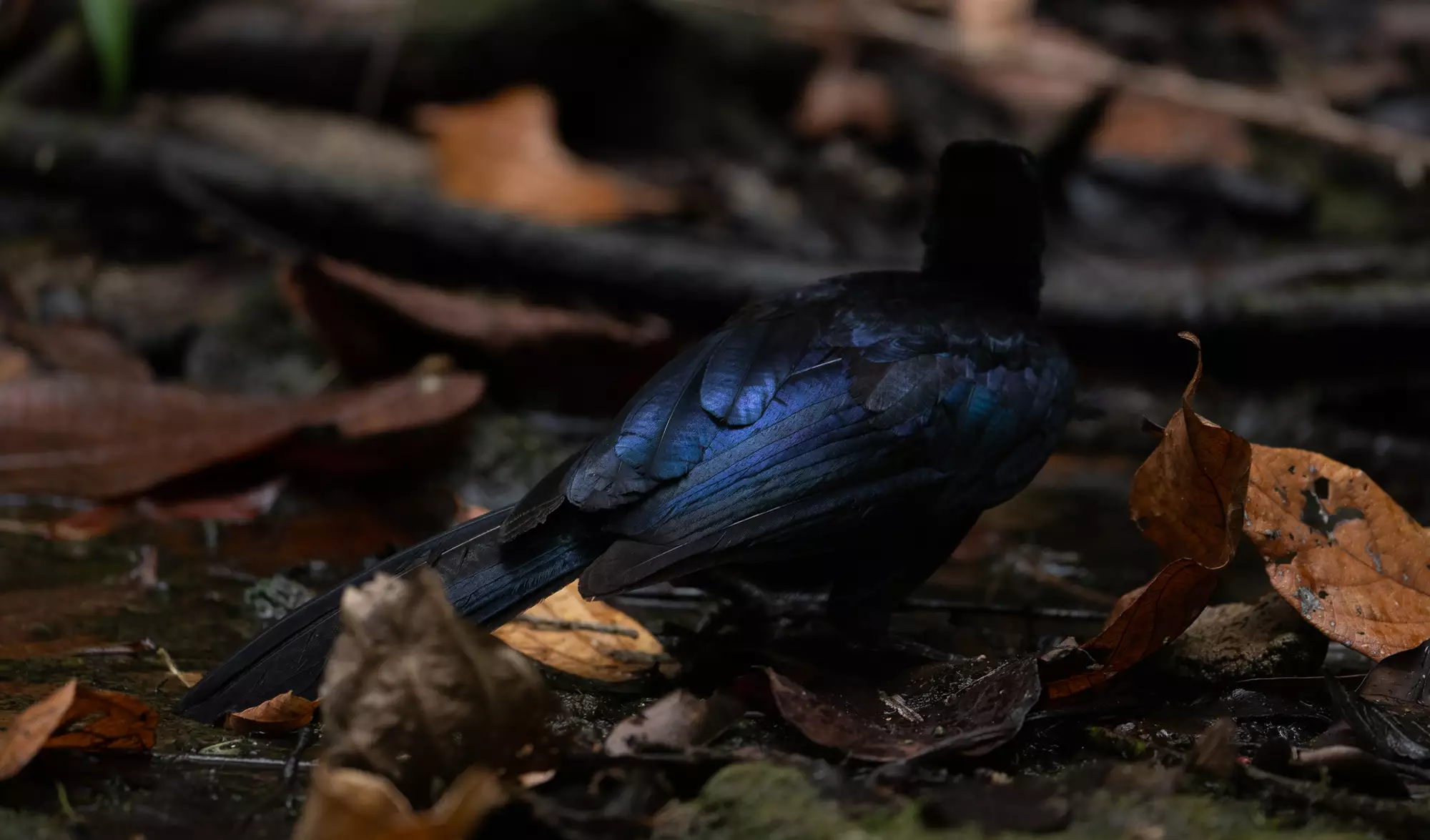
BOP are categorized by four dimensions: crazy colors, crazy plumage, crazy sounds and crazy courtship dances. These are results of a “runaway” sexual selection, made possible by a rare ecological condition: an abundance of fruit and an absence of mammalian predators:
1. The Frugivore Advantage: High-energy fruit trees produce bountiful food with minimal searching effort. This freed female birds from needing help to raise young; a single female can build the nest, incubate eggs, and feed chicks without a male.
2. Extreme Female Choice: With males relieved of parental duties, female preference became the sole driver of male reproductive success. Females select mates based on display quality, feather condition, and choreography. Over millions of generations, female choice drove male traits into absurdly complex territory—favoring visual spectacle and behavioral display over camouflage or energetic efficiency.
The males basically eat half an hour per day, and spend the other hours on sexuality. Or as I call it: living the dream!
However, they have to practice for many years before a female considers them a worthy mate. What a crazy life.
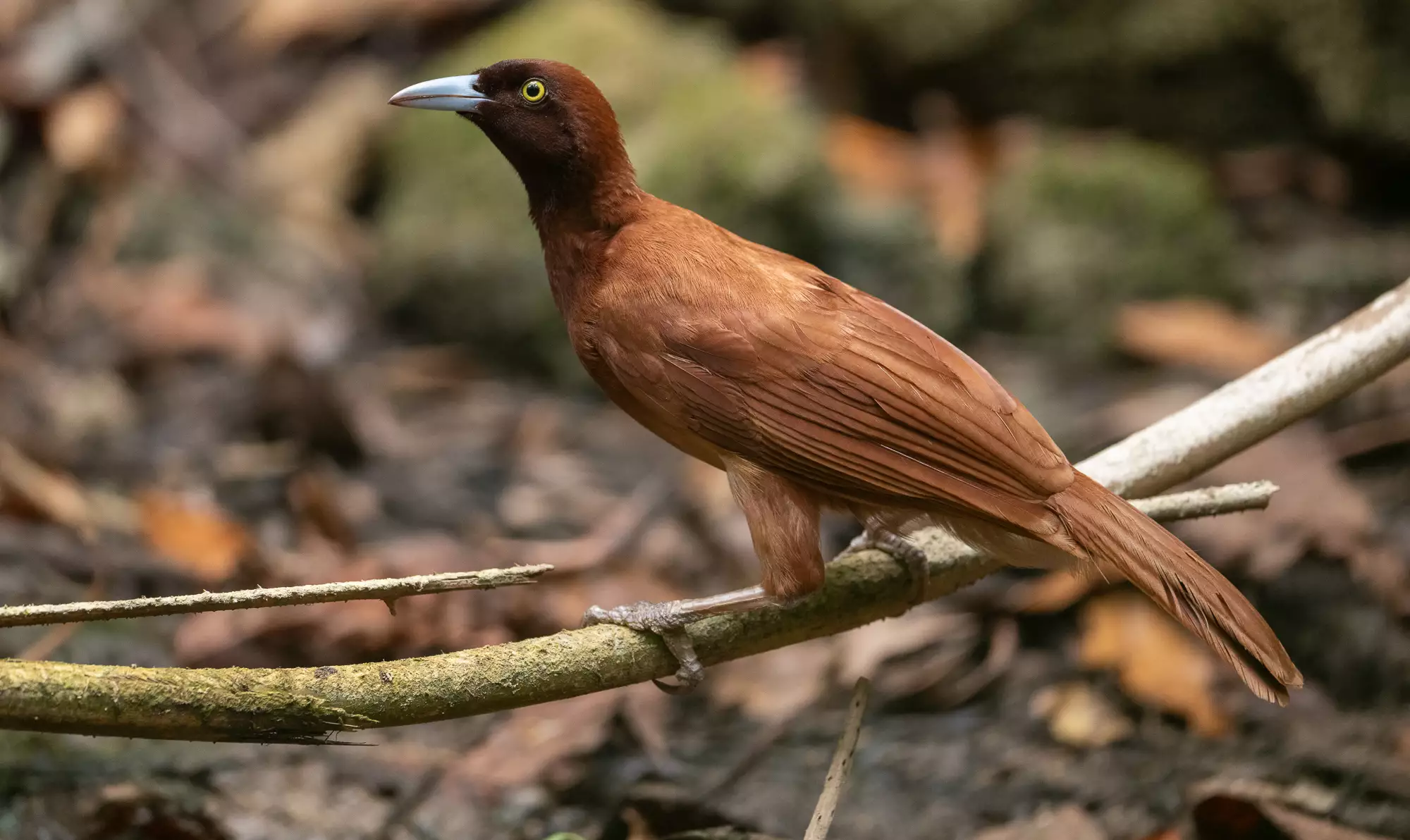
But keep in mind, it is these females who decide which males get to mate.
Many species of BOP will have a lek or a display site where they spend most of their time. This differs between the many species...
Twelve wired BOP for example, is a canopy species where males will clean a broken tree, take away all the fresh leaves surrounding it, and practice a dance. When a female comes she will sit on the trunk, and wait for him to do his show.
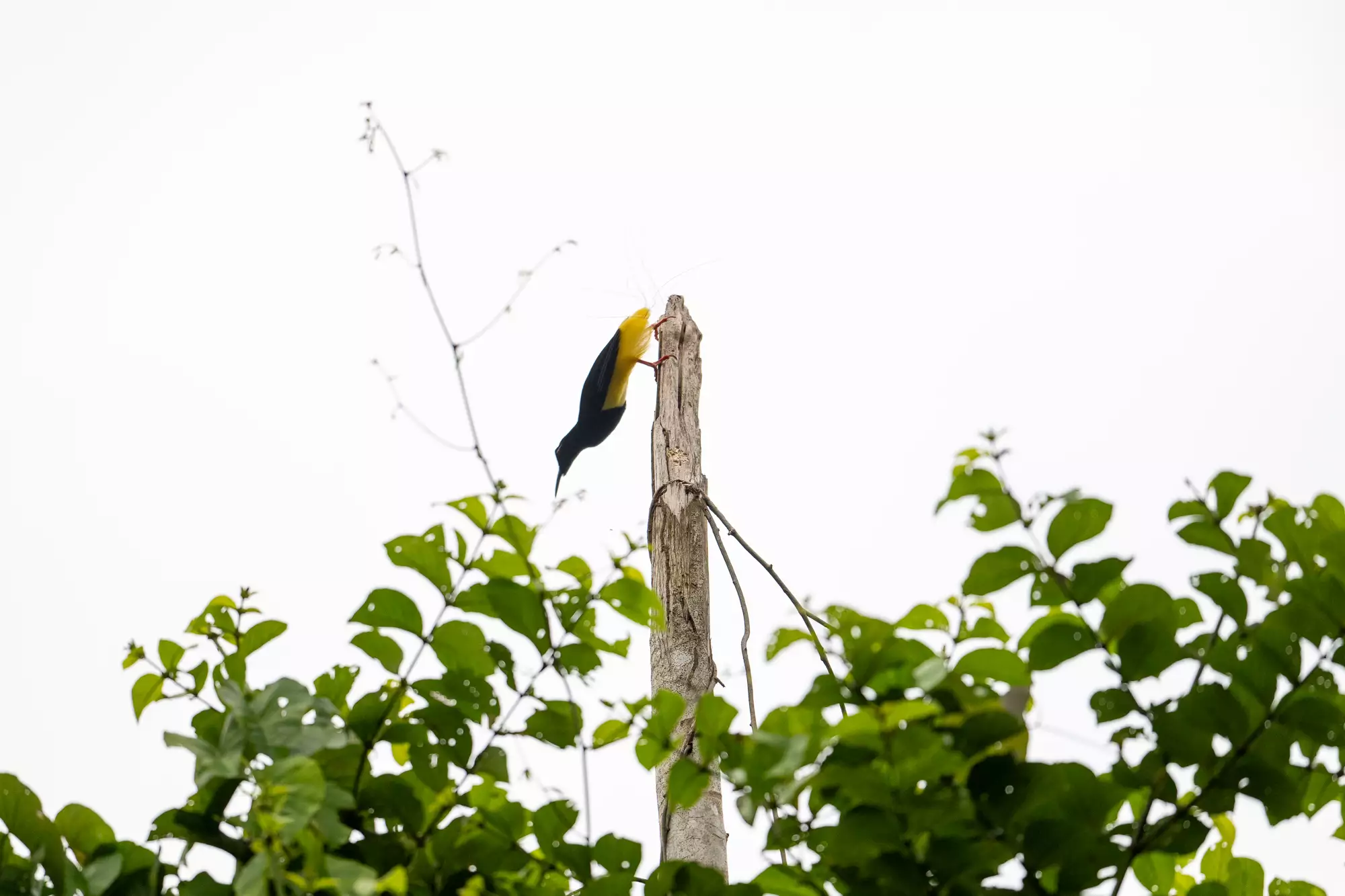
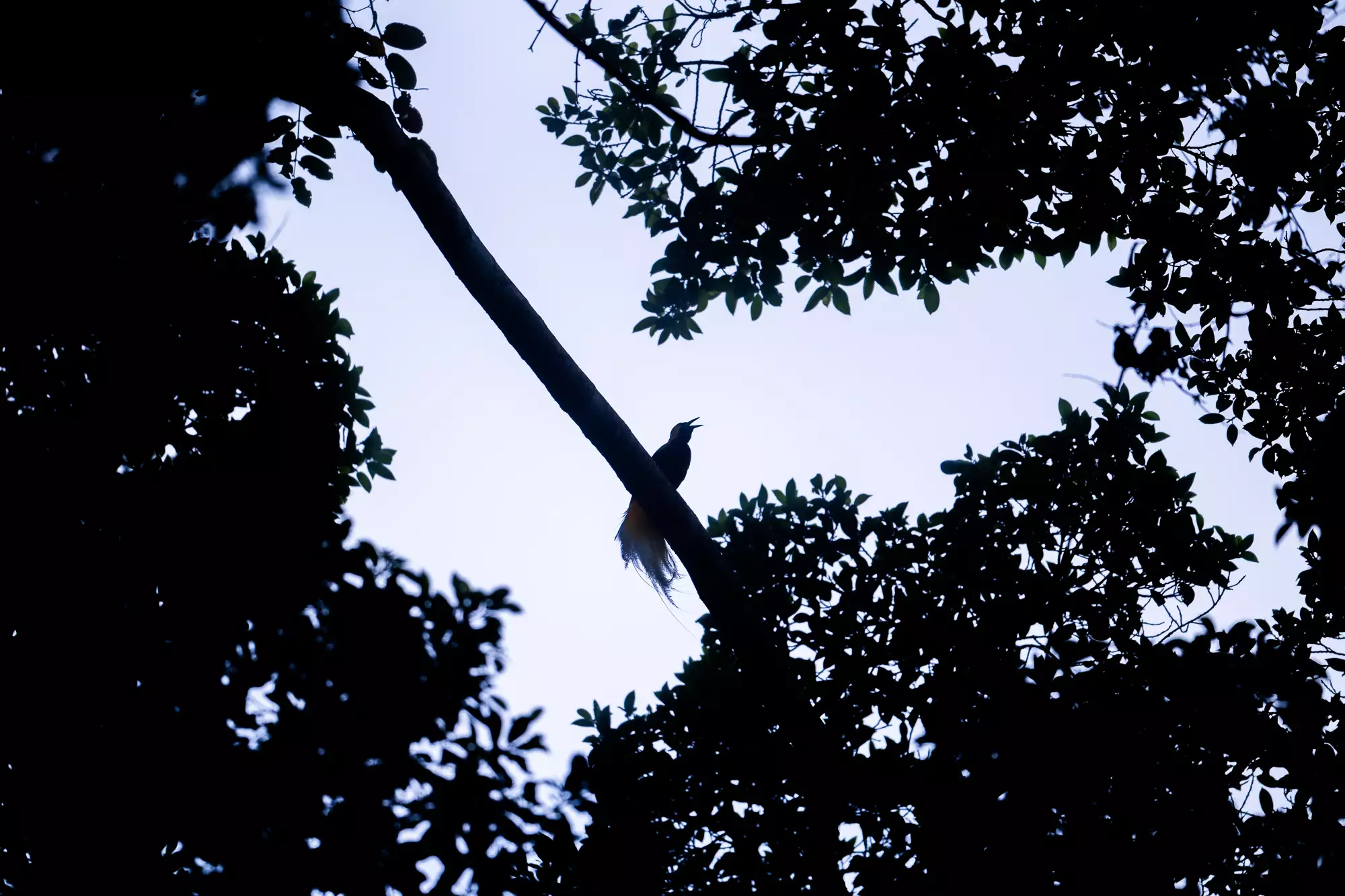
We were happy with our first BOP, but good pictures were proving difficult to make. It was clear that we had to do better.
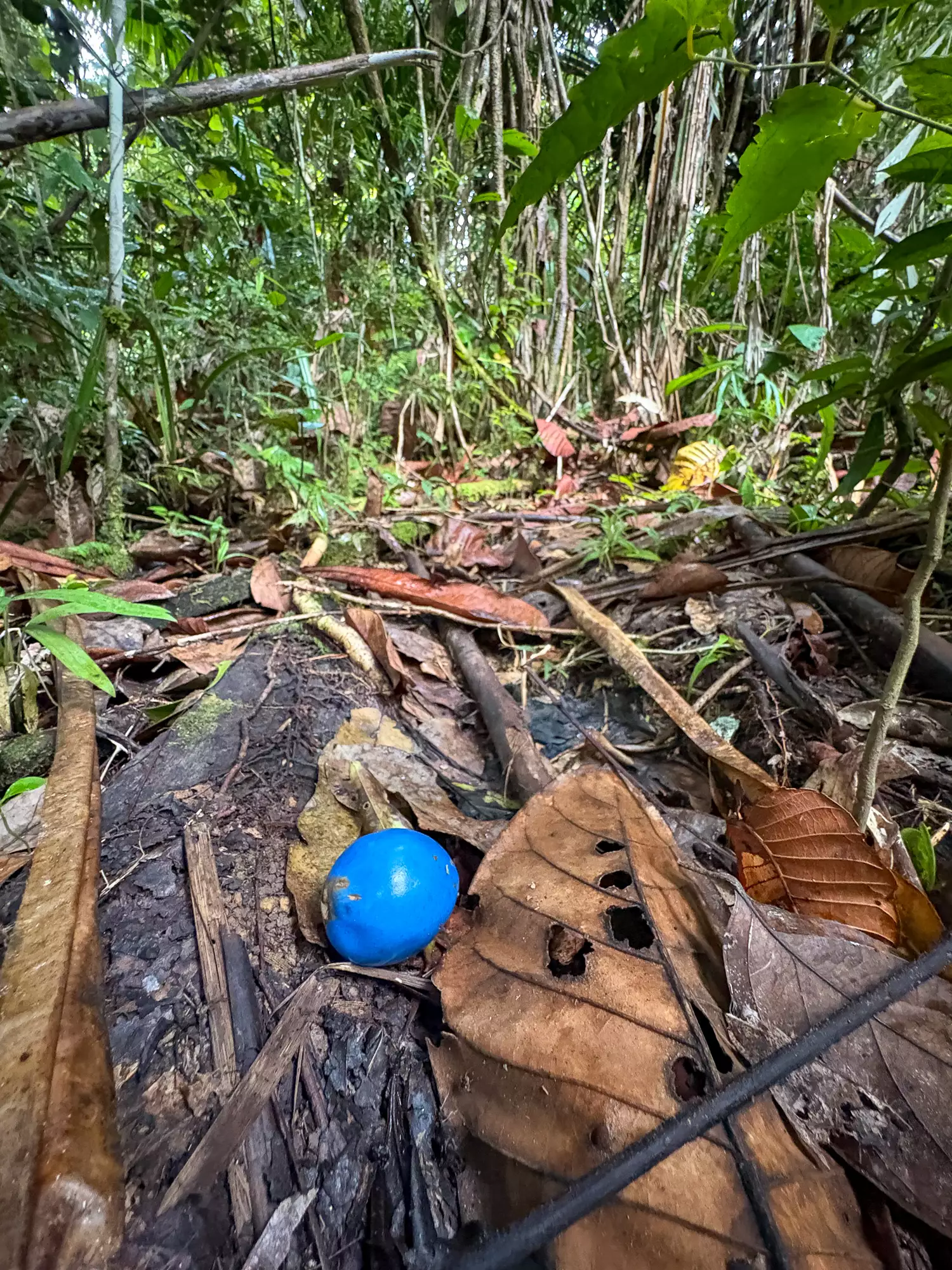
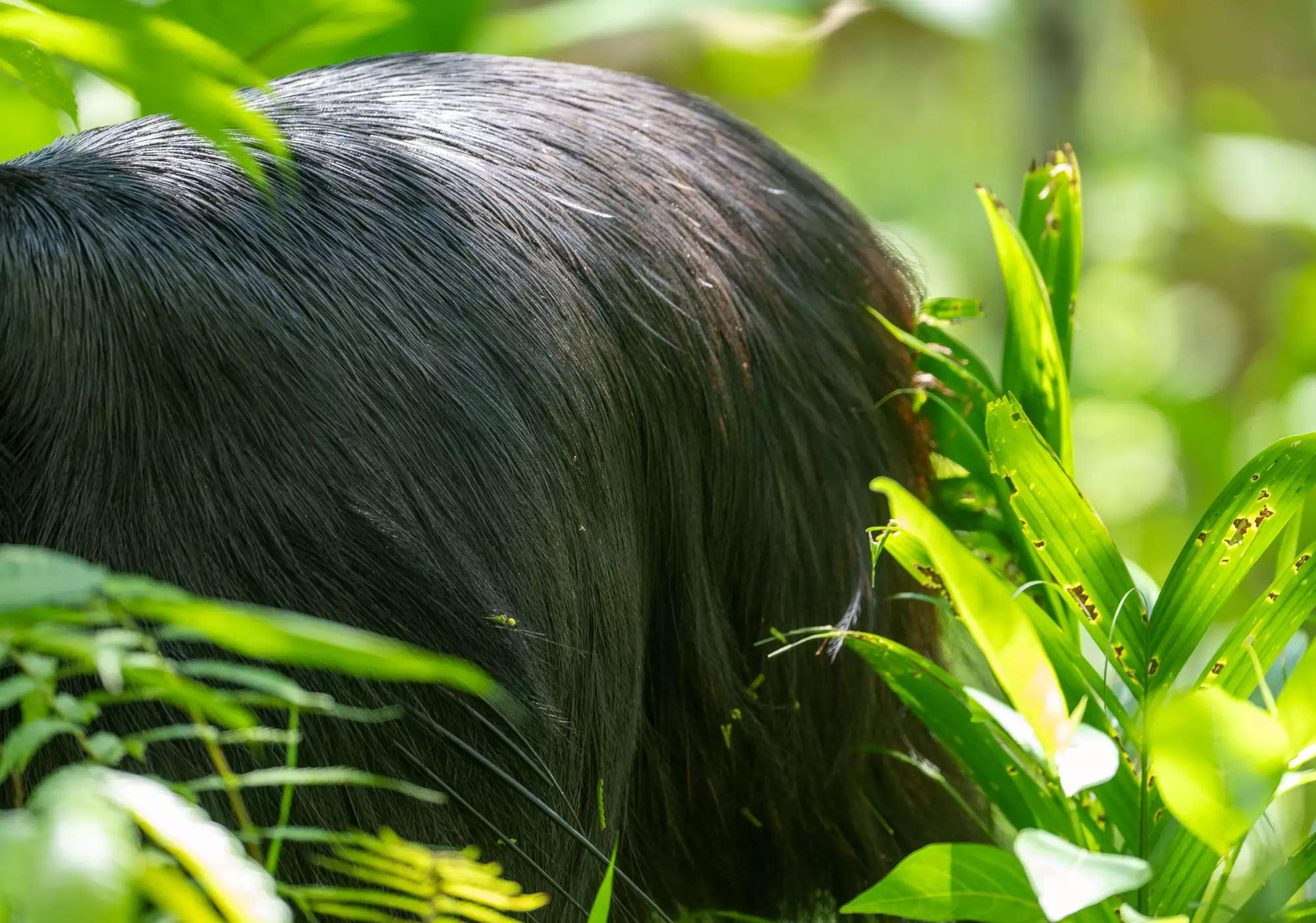
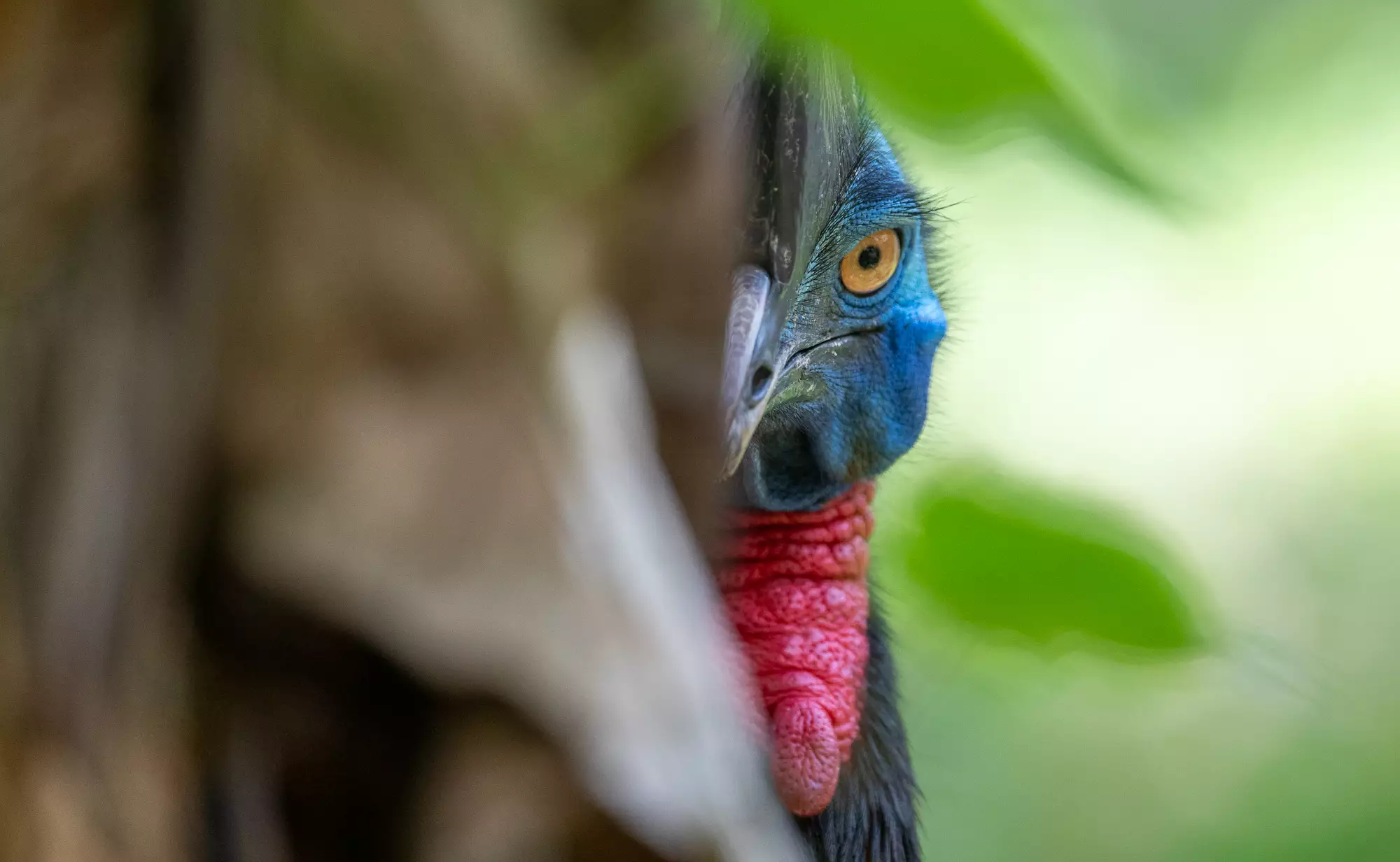
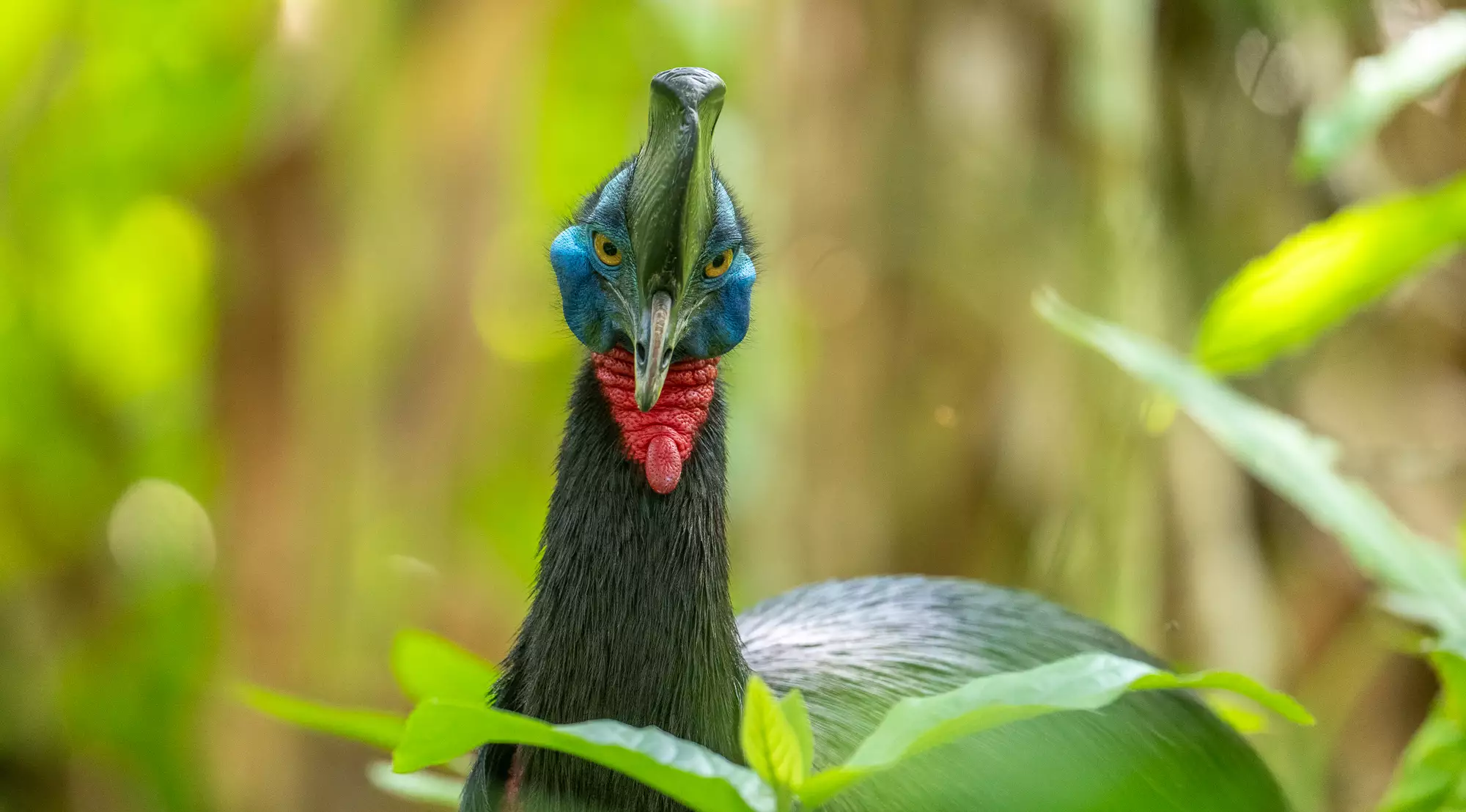
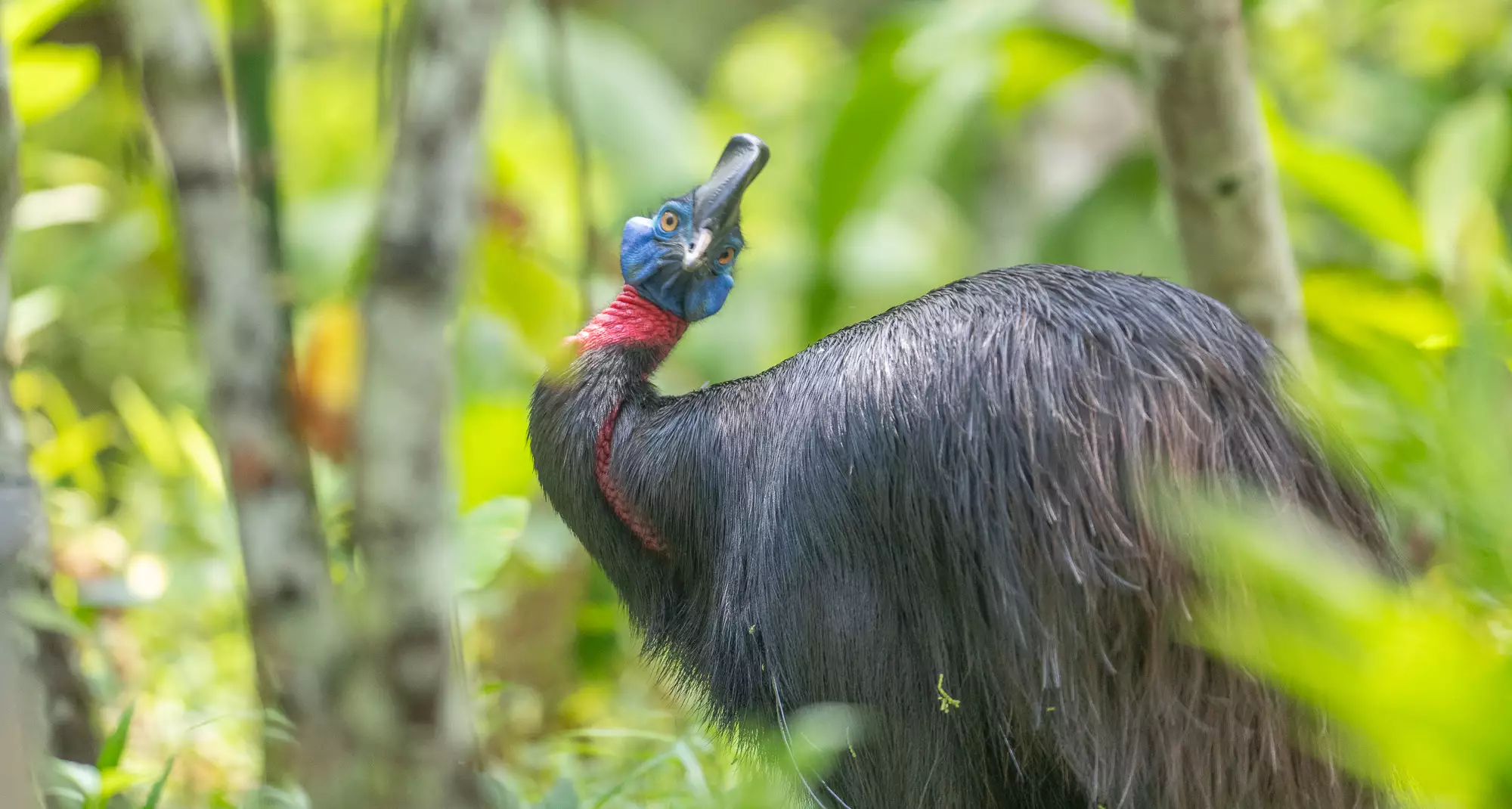
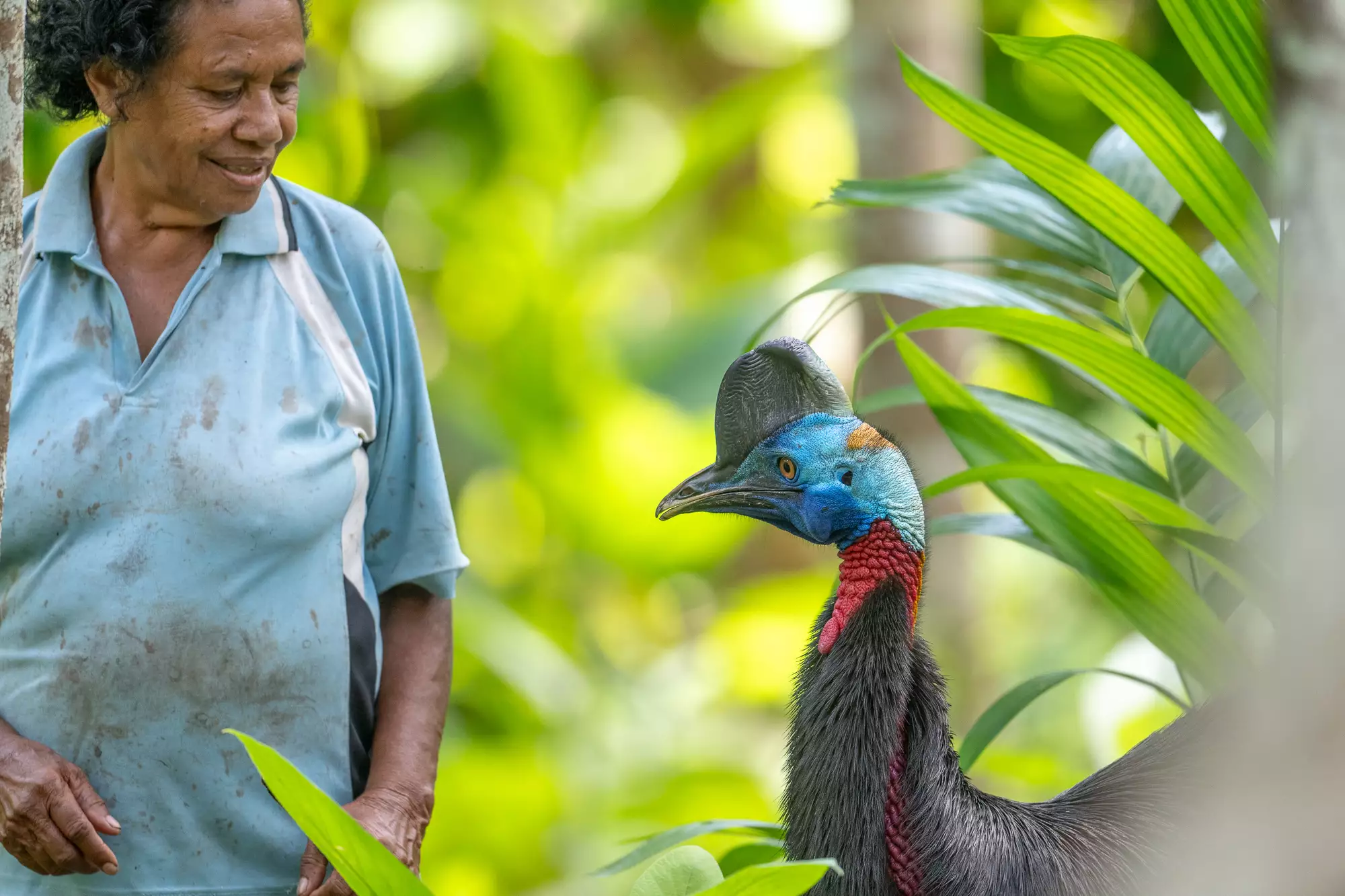
A pleasant surprise was our Super Guide Mehd saying "You wanna see a Northern Cassowary?"
Euh sure Mehd, But aren't they all hunted down and super difficult to see?
"There is a lady who has been feeding a youngster for many years. When she calls him, he sometimes comes out of the forest."
Honestly I had no idea what to expect.
The time had come to leave Nimbokrang, and fly to Manokwari to visit the Arfak mountains.
In normal circumstances, one would (also) visit the central mountain ranges of West Papua to look for certain species, but they are off limits due to rebel activity. As such, the Arfaks is the only place in WP to see mountain species. These include Western Parotia, Magnificent, Superb BOP and the infamous Black sicklebill, the largest Bird of paradise.
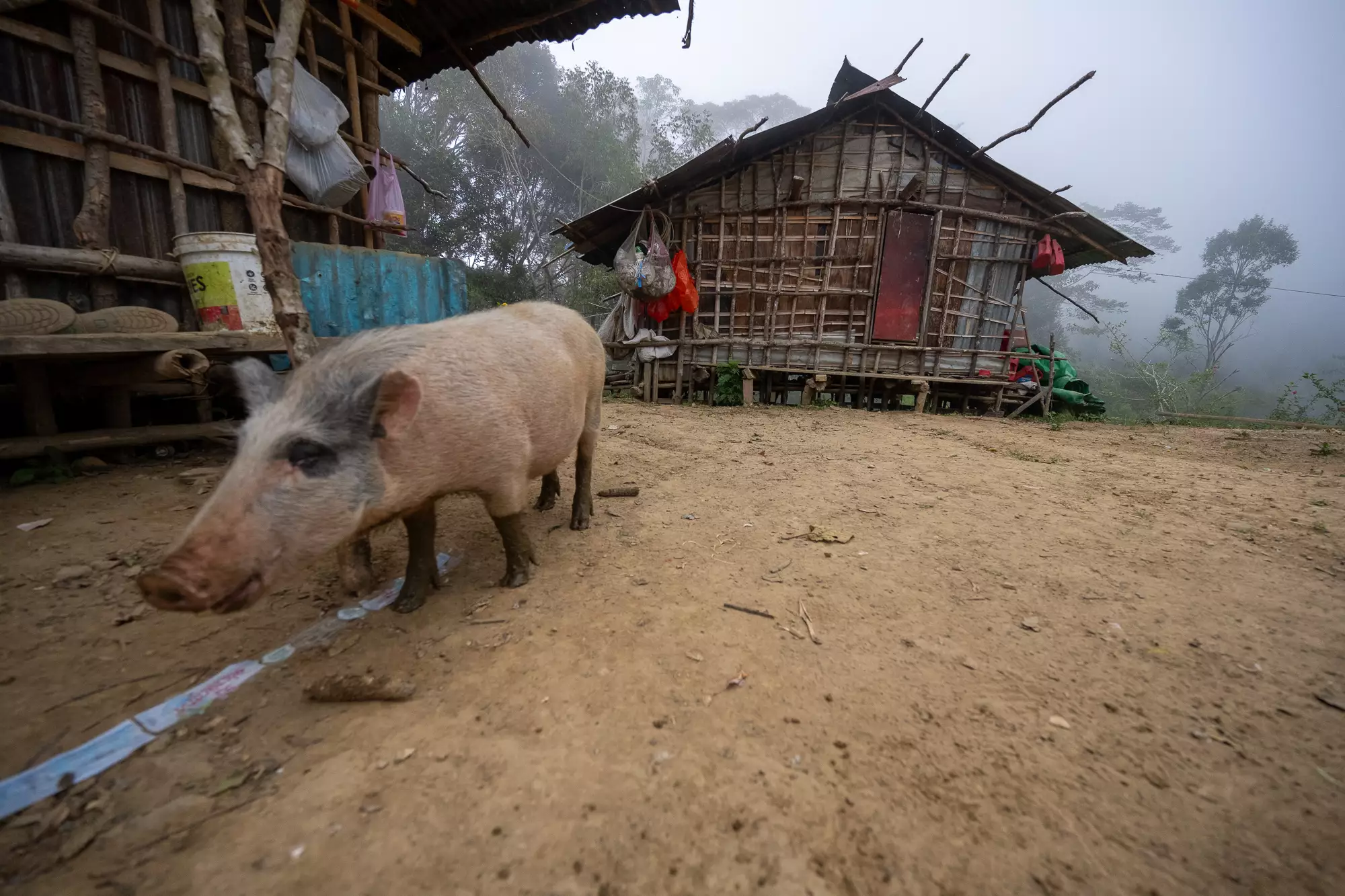
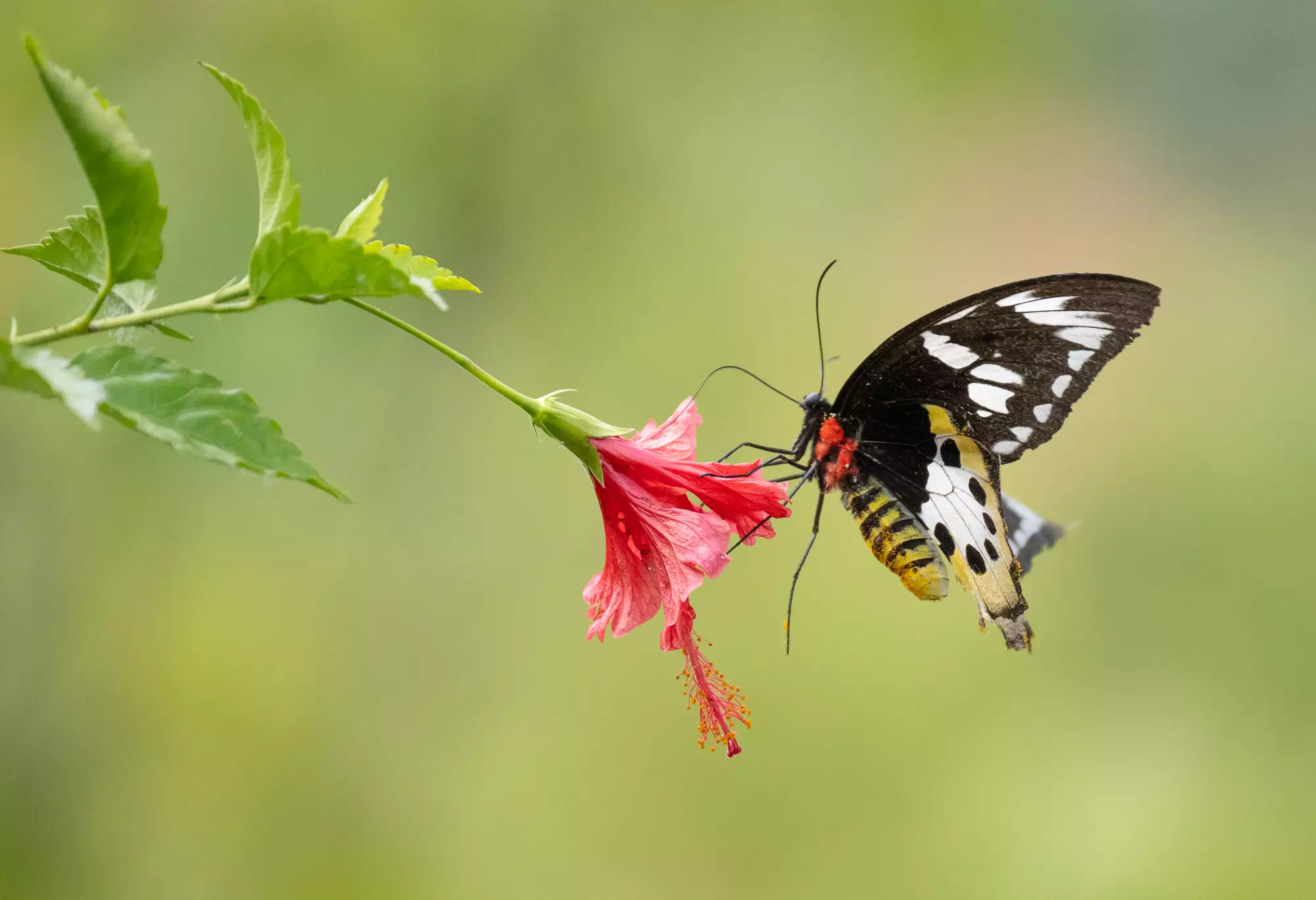
They used to be heavily collected and sent to China- but now the tribe leaves them be so they can be photographed
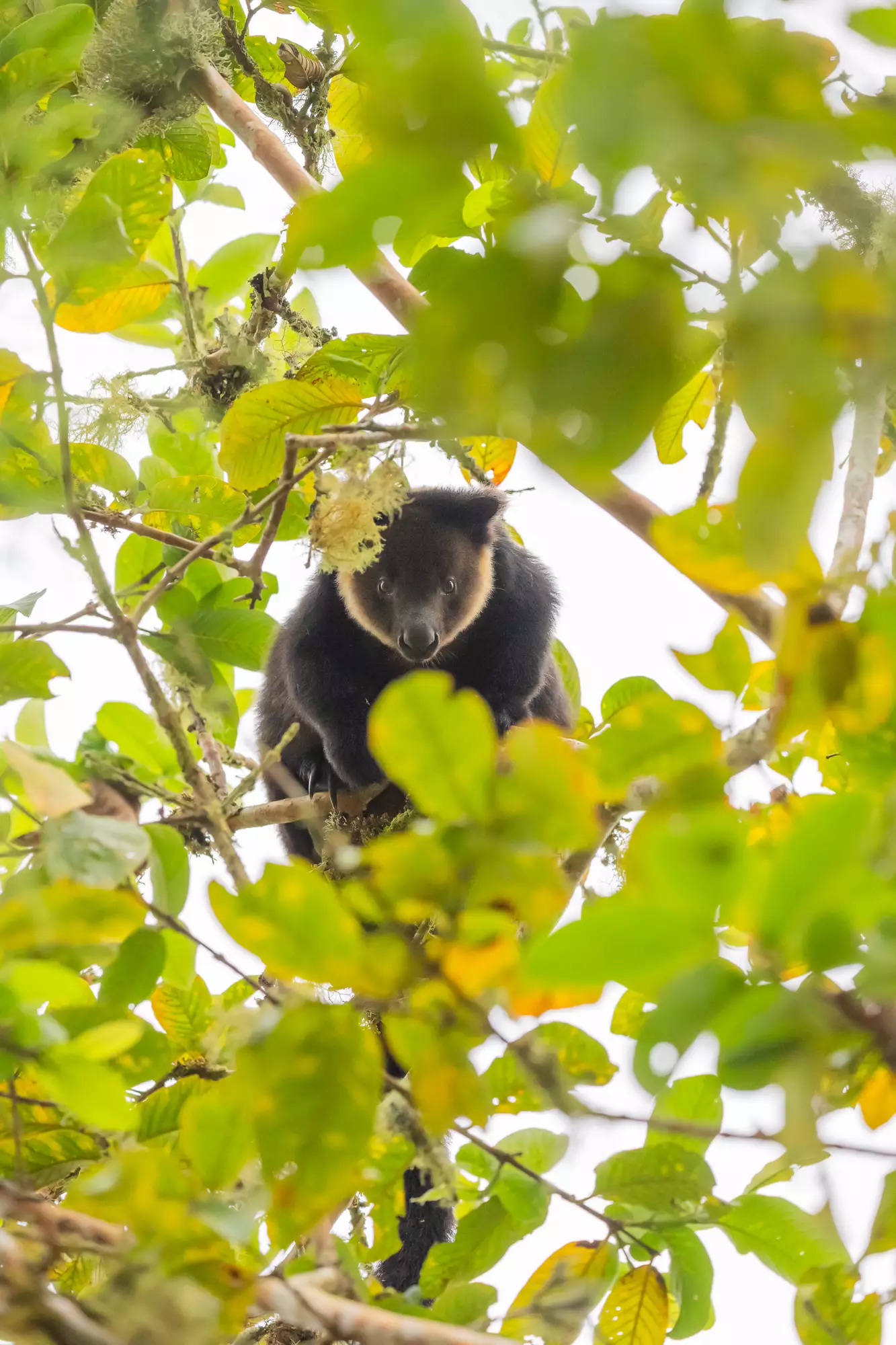
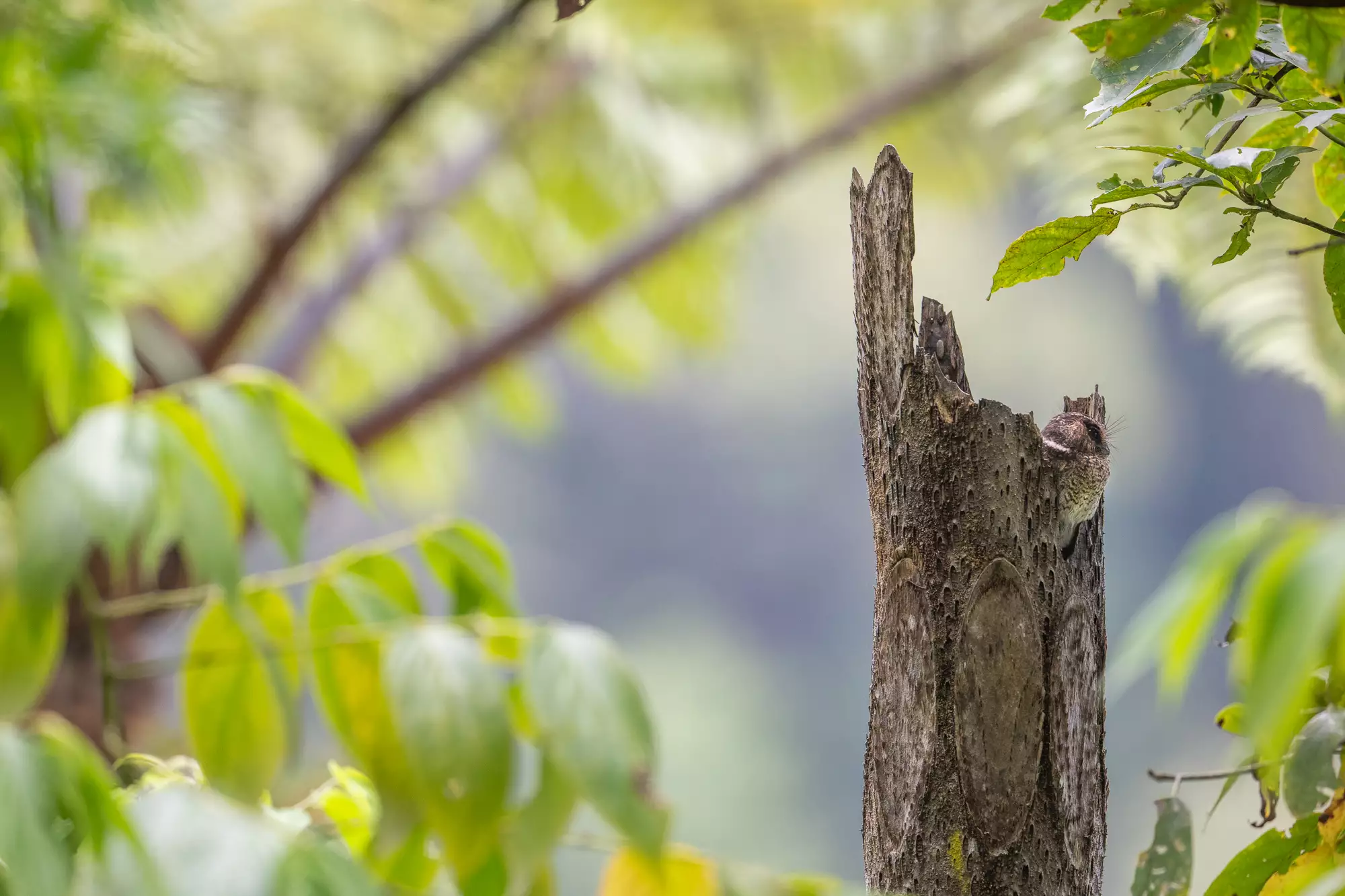
The Arfaks did spoil us with some solid sightings of Birds of paradise.
Firstly we had courtship behaviour of a male and female Magnificent BOP.
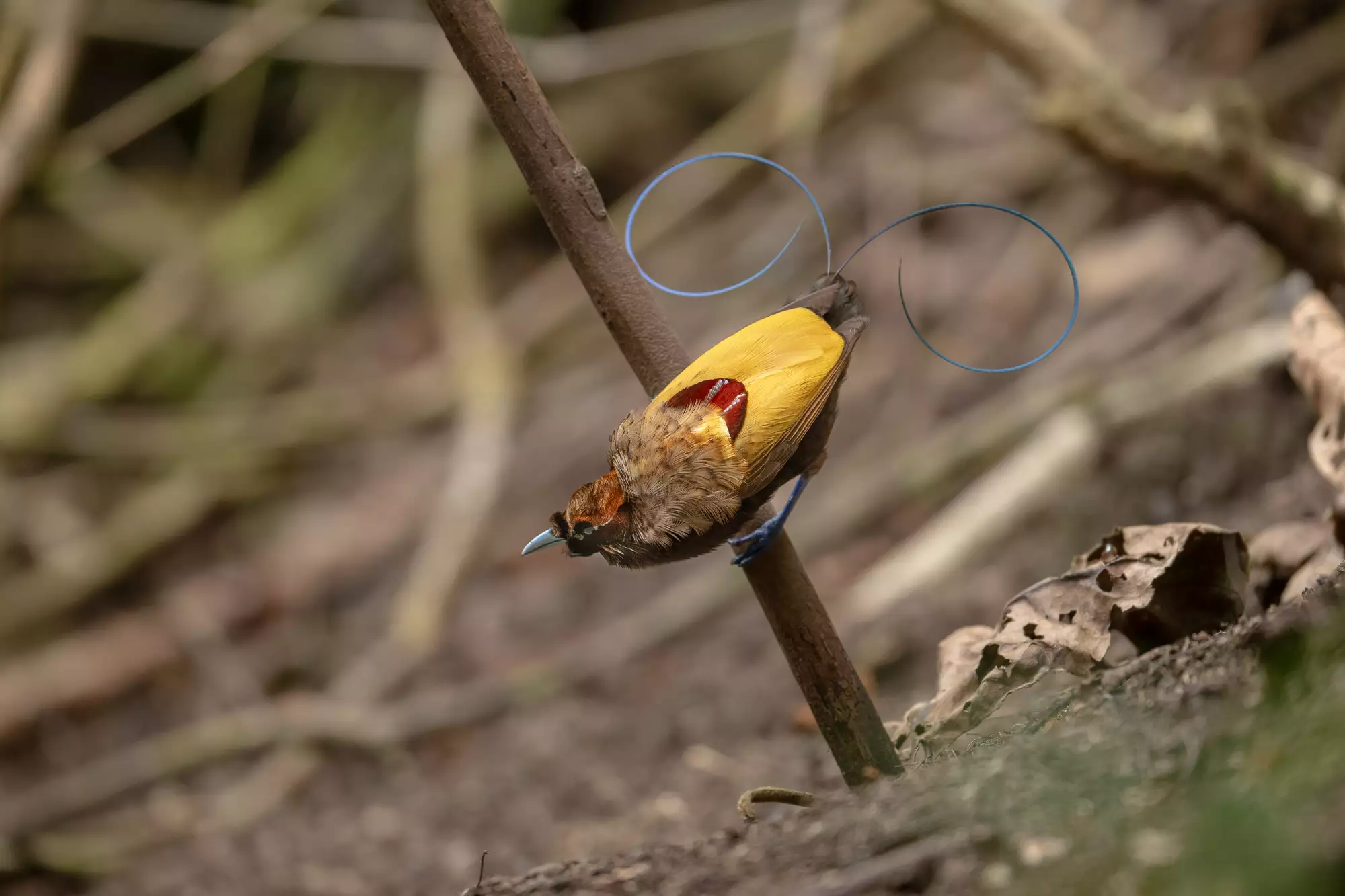
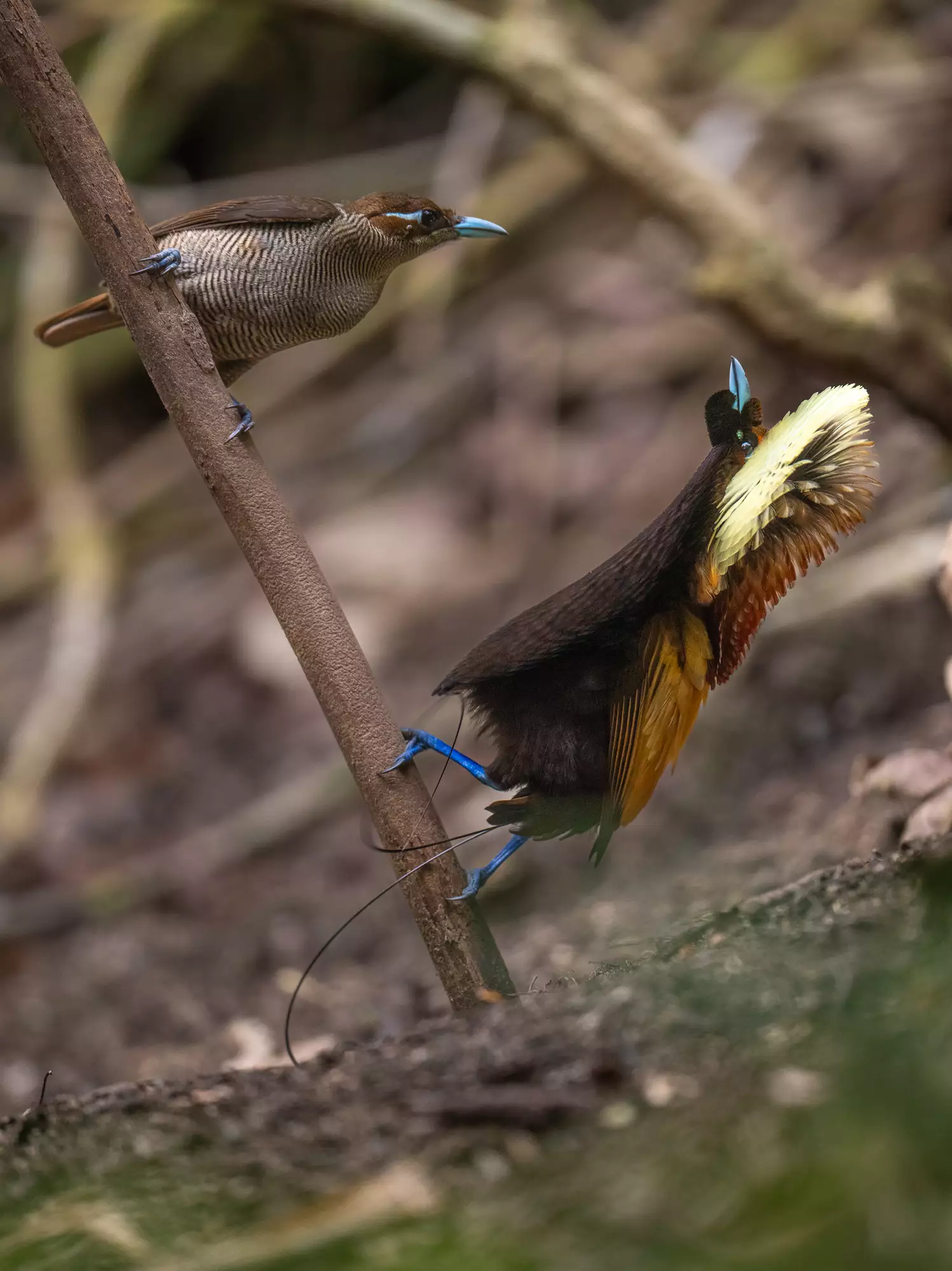
In this courtship, the male will have his arena on a location where he can "catch" sunlight with his iridescent feathers and "aim it towards the female. So when looking at these birds, one must always think about the viewpoint of the female, which is very different than the side view we as photographers have.
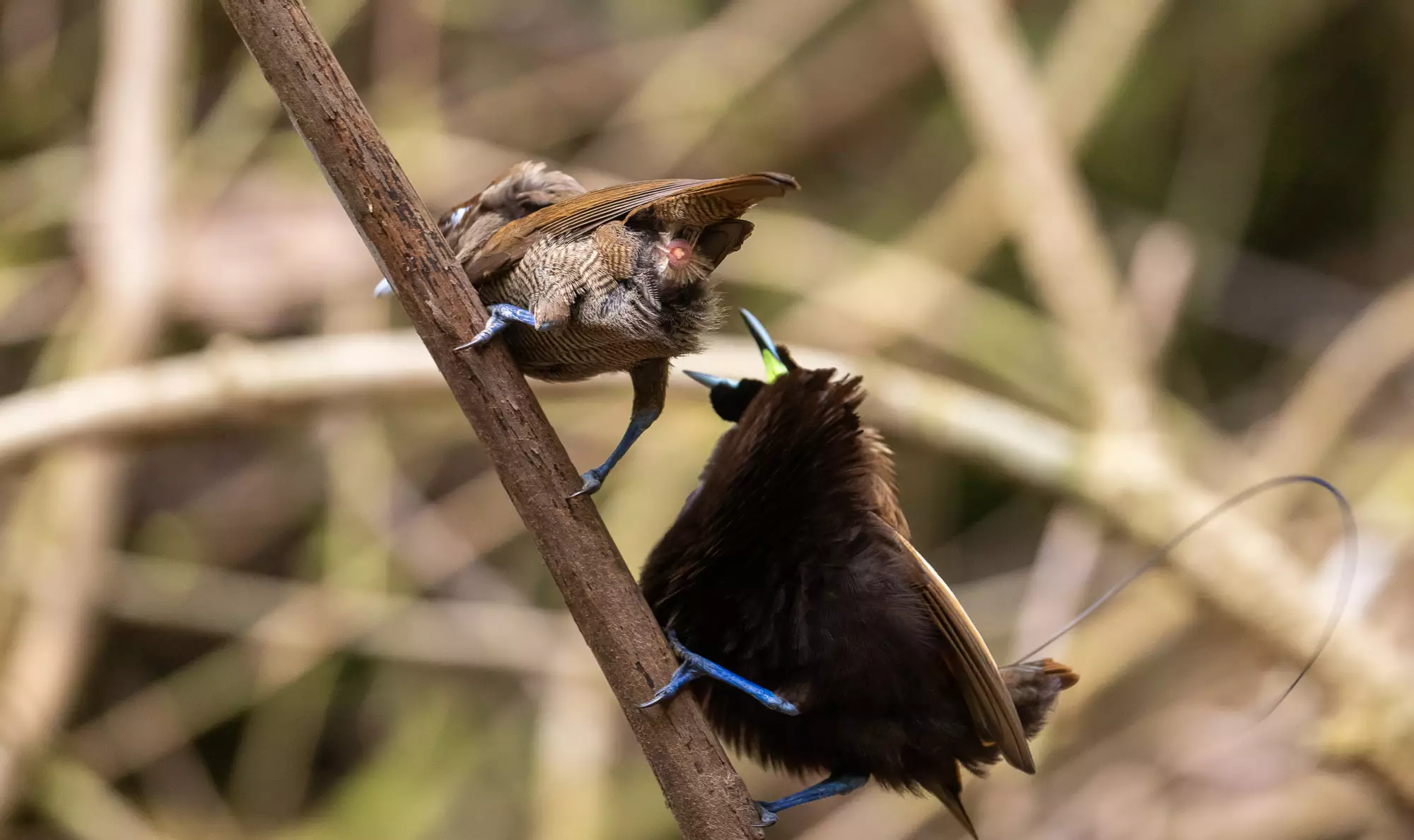
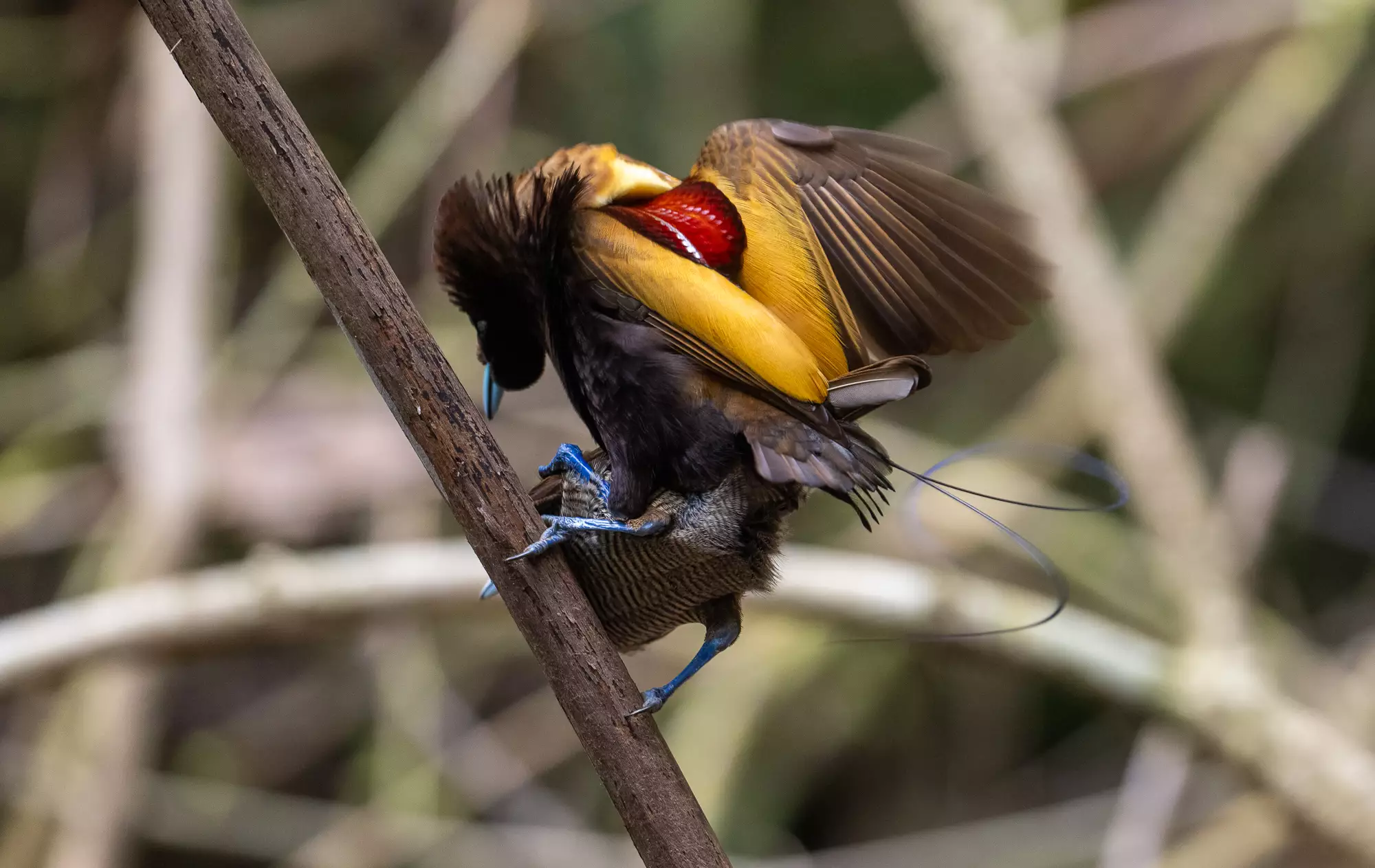
Thé main goal when visiting the Arfak, is trying to see the infamous Black Sicklebill, the largest and most spectacular Bird of Paradise. Endemic to New Guinea, inhabiting mid- to high-elevation tropical montane forests, primarily between 1,800 and 2,150 meters altitude.
This means that you have to go up, in 30°c and super humid jungles. Also noteworthy is that until recently, there was only one place in the world where you could reliably see the bird every day. Now also a spot in Papua New Guinea is known.
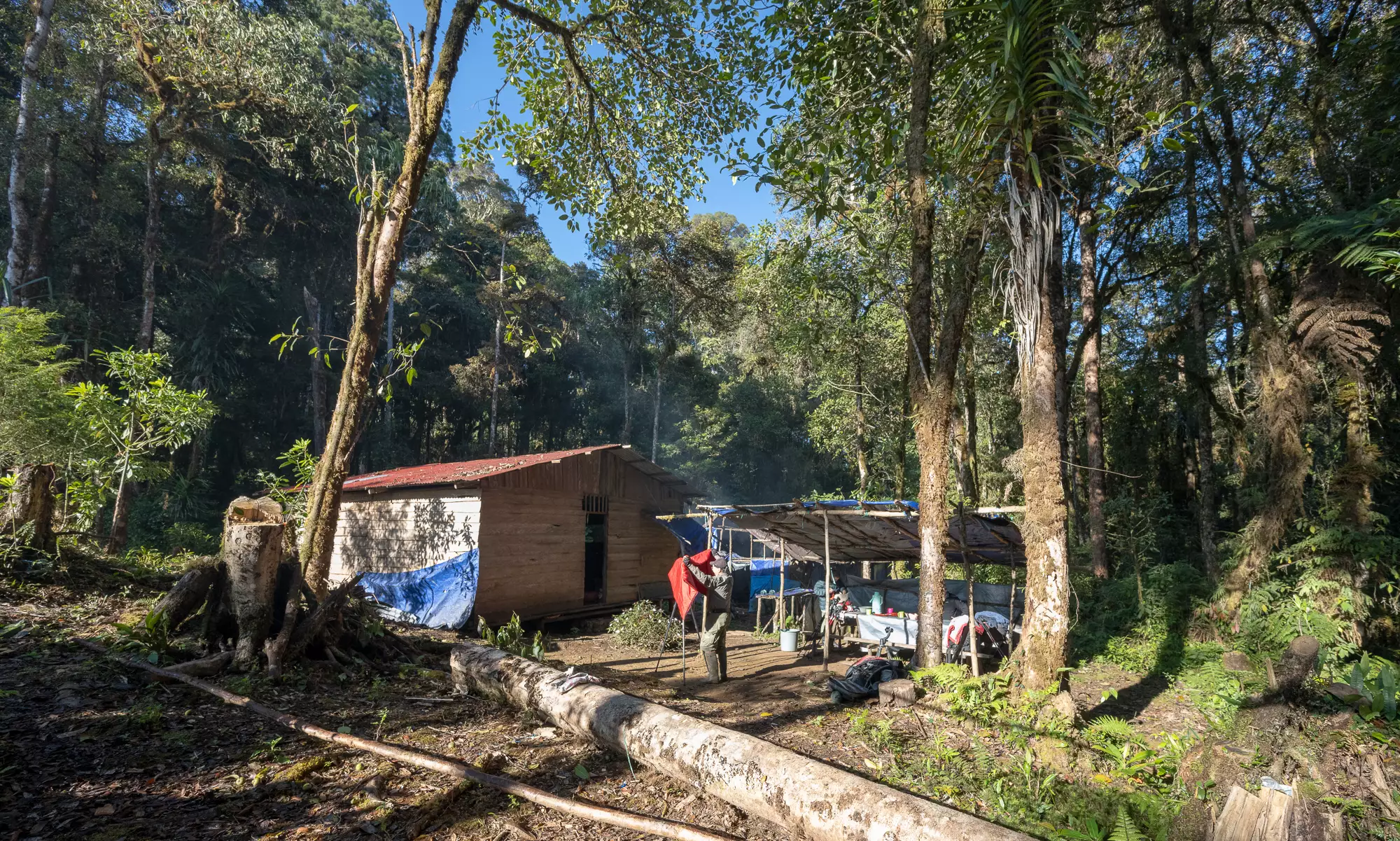
We were hiking towards the infamous German Camp, a strenuous hike. Whilst doing the trail we kept thinking about some friends like Billy, Lieven and Geert who had seen the species in previous years, and how they must have walked the same trail as well. A comforting thought.
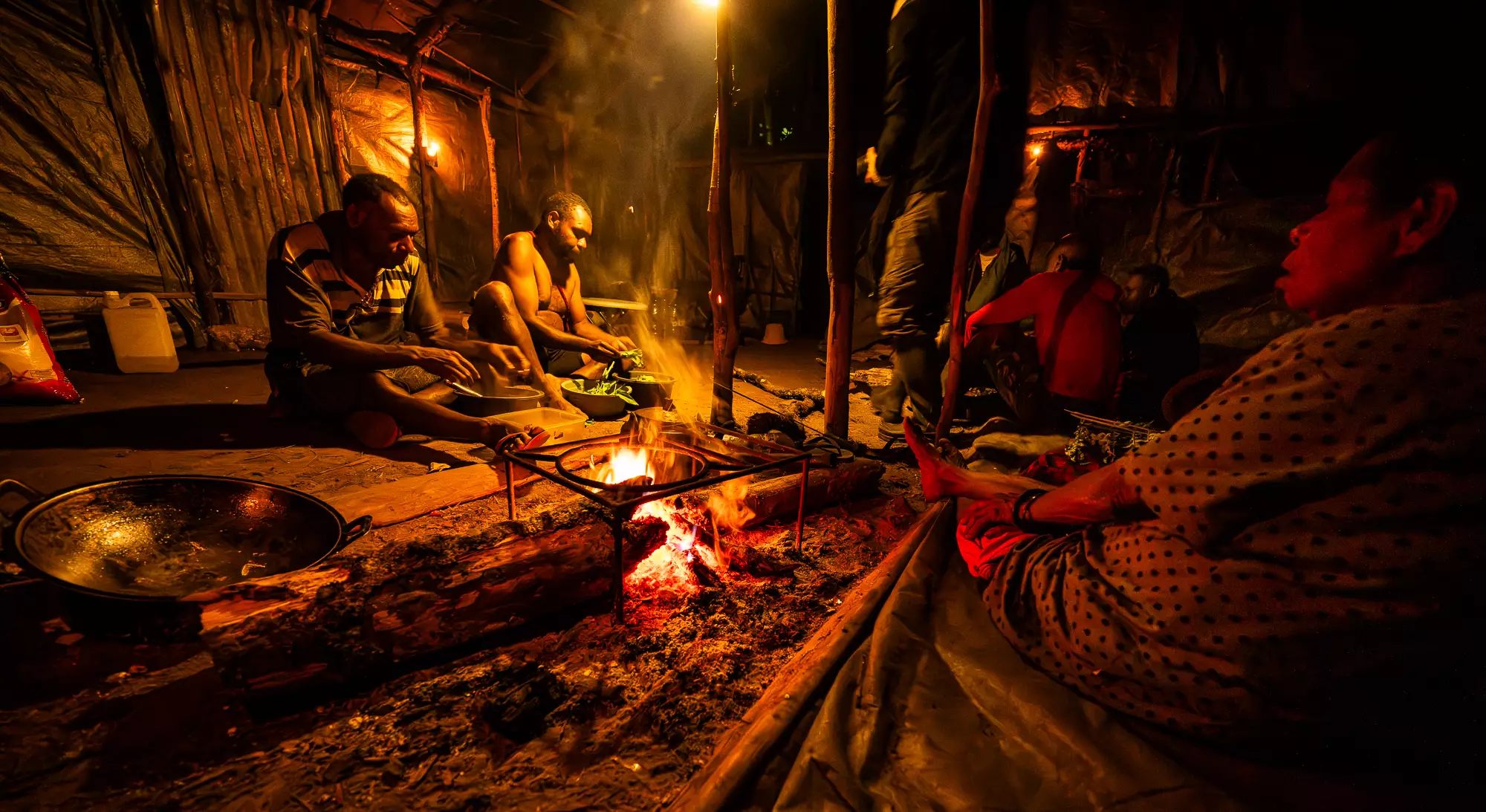
Early morning we were sent to the hide. Tribe elder Seth told us that the bird usually comes for a few minutes, and if no female is around, that's all you get. You have to hope that he practices the courtship a few times before flying off. We were nervous.
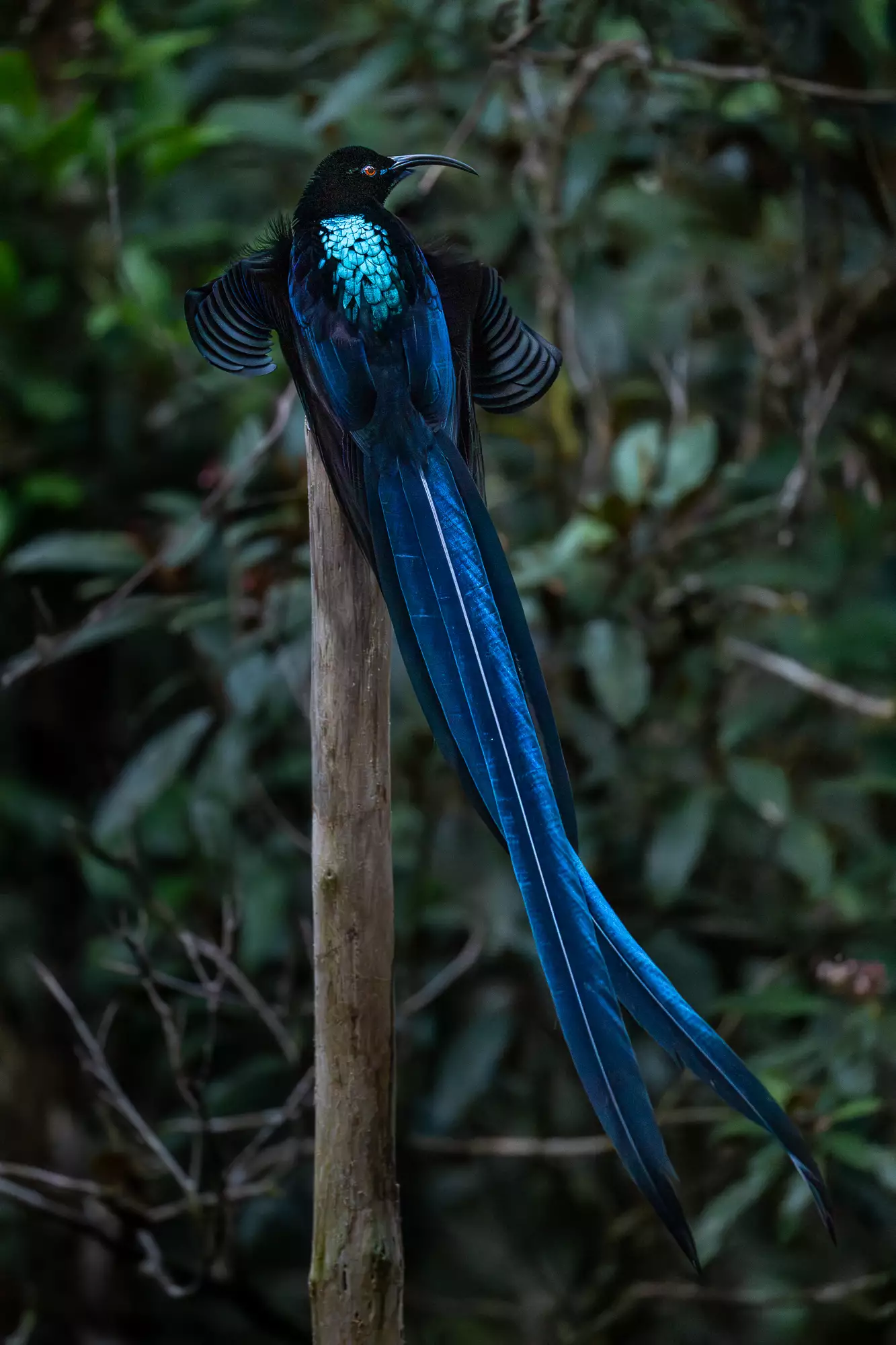
Notice the "Epaulette" feathers.
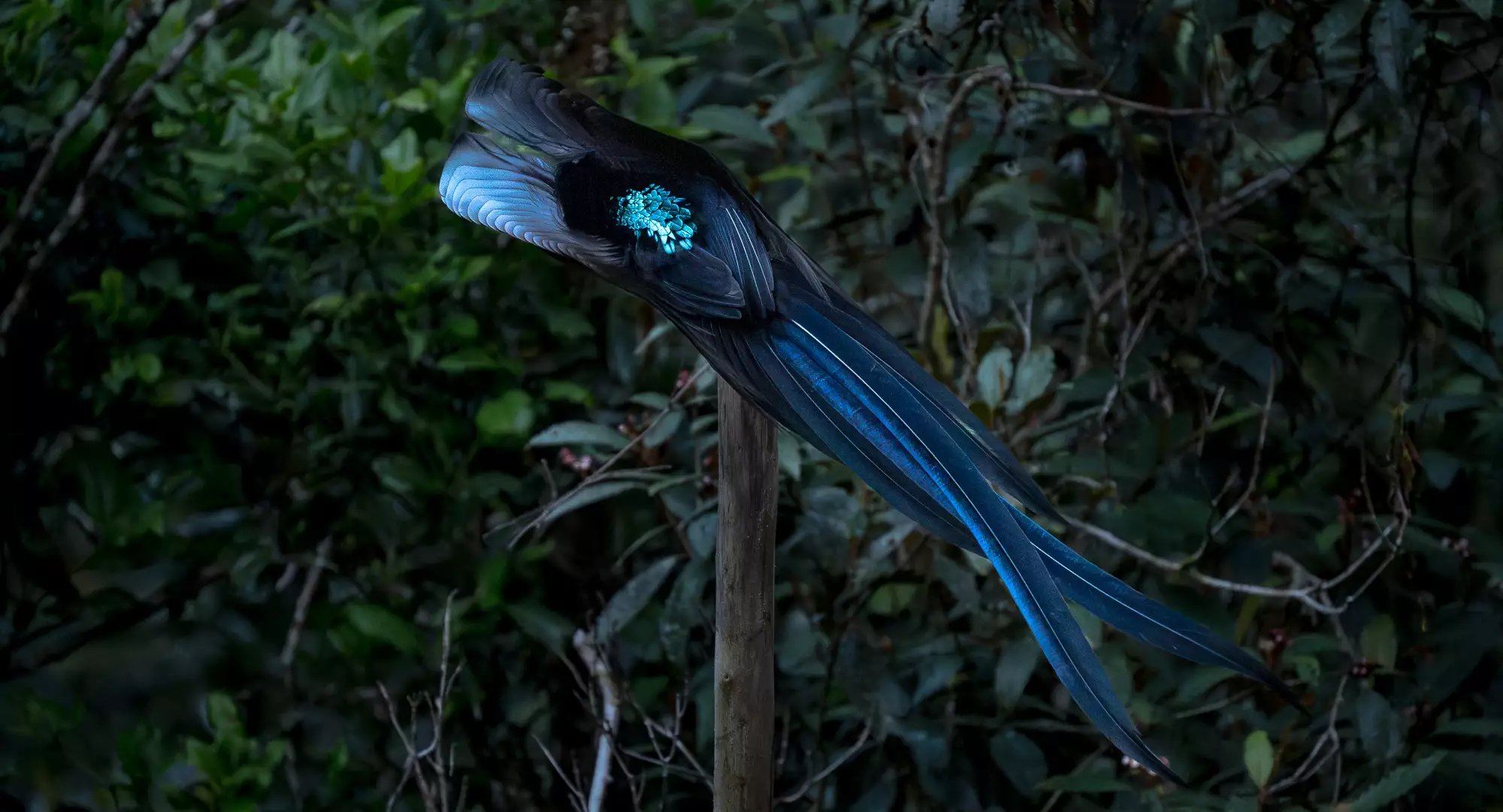
When you are witnessing this, after hiking up a mountain in 100% humidity, shit food and a shit night of sleep, it is a very profound experience.
So whas this the highlight of the Arfaks? Yes. but we also saw something else, something that I did not dream of seeing... Mister Smiley face
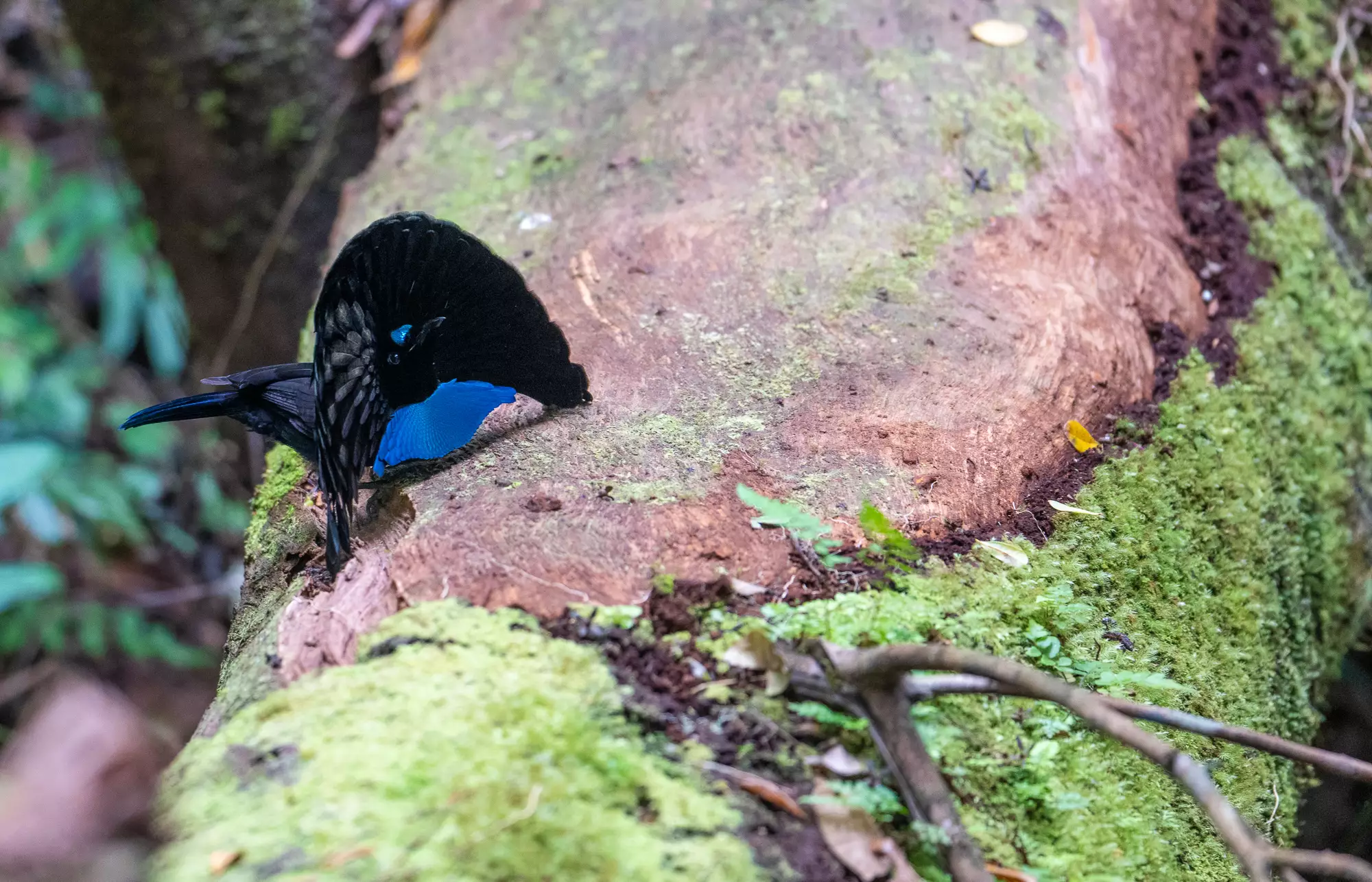
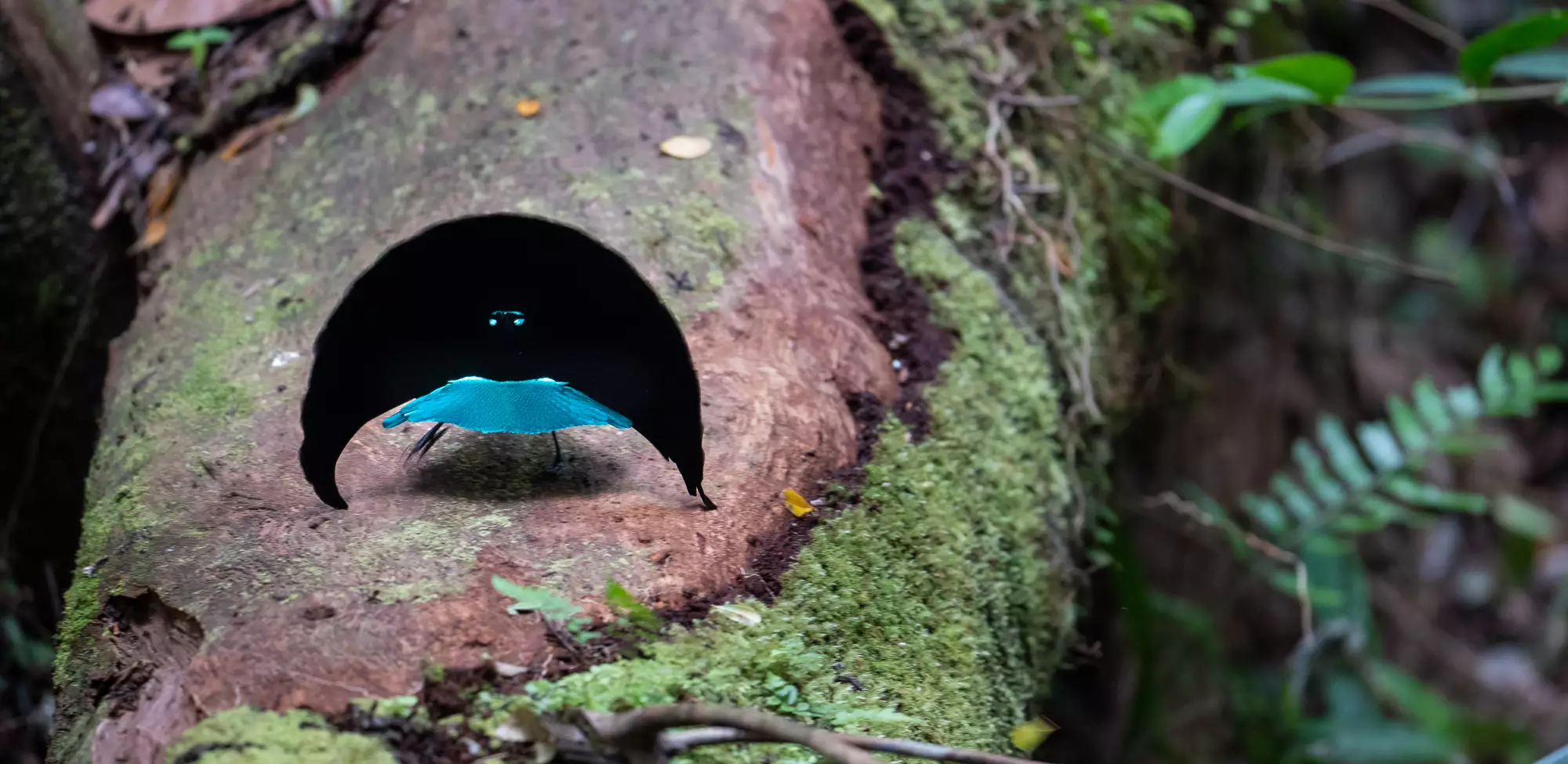
To see a Superb BOP, you have to find a tree that came down, with a cleared patch on it. The bird uses that patch as display site. They spend all morning calling, and if a female replies, he will go and sit on the patch. To perform his amazing dance.
We were hearing this bird all morning, yet... zero images.
Then, despite not having a female around, he landed for a few minutes and just one (!) ten second full dance. I know nobody who has ever seen this in the wild, so Ronny and I were blown out of our socks.
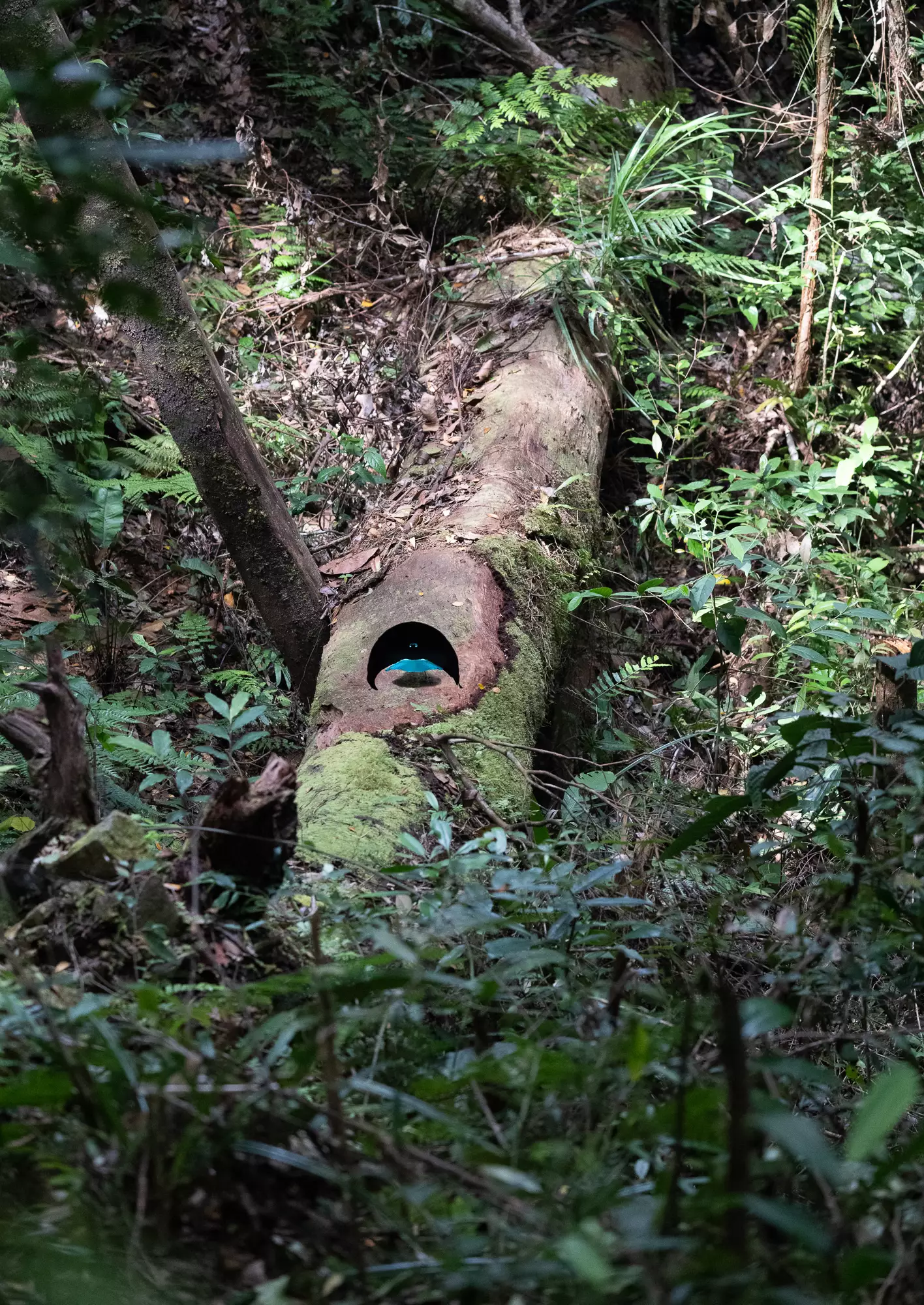
The Superb BOP only displays on fallen logs. He clears his patch and dances, often practicing for years before getting to mate with a female.
The time had come to fly to Sorong and visit the infamous Malagofuk ecovillage.
Upon arrival, we were greeted by the worst drought in the history of West Papua. It had not rained for three months.
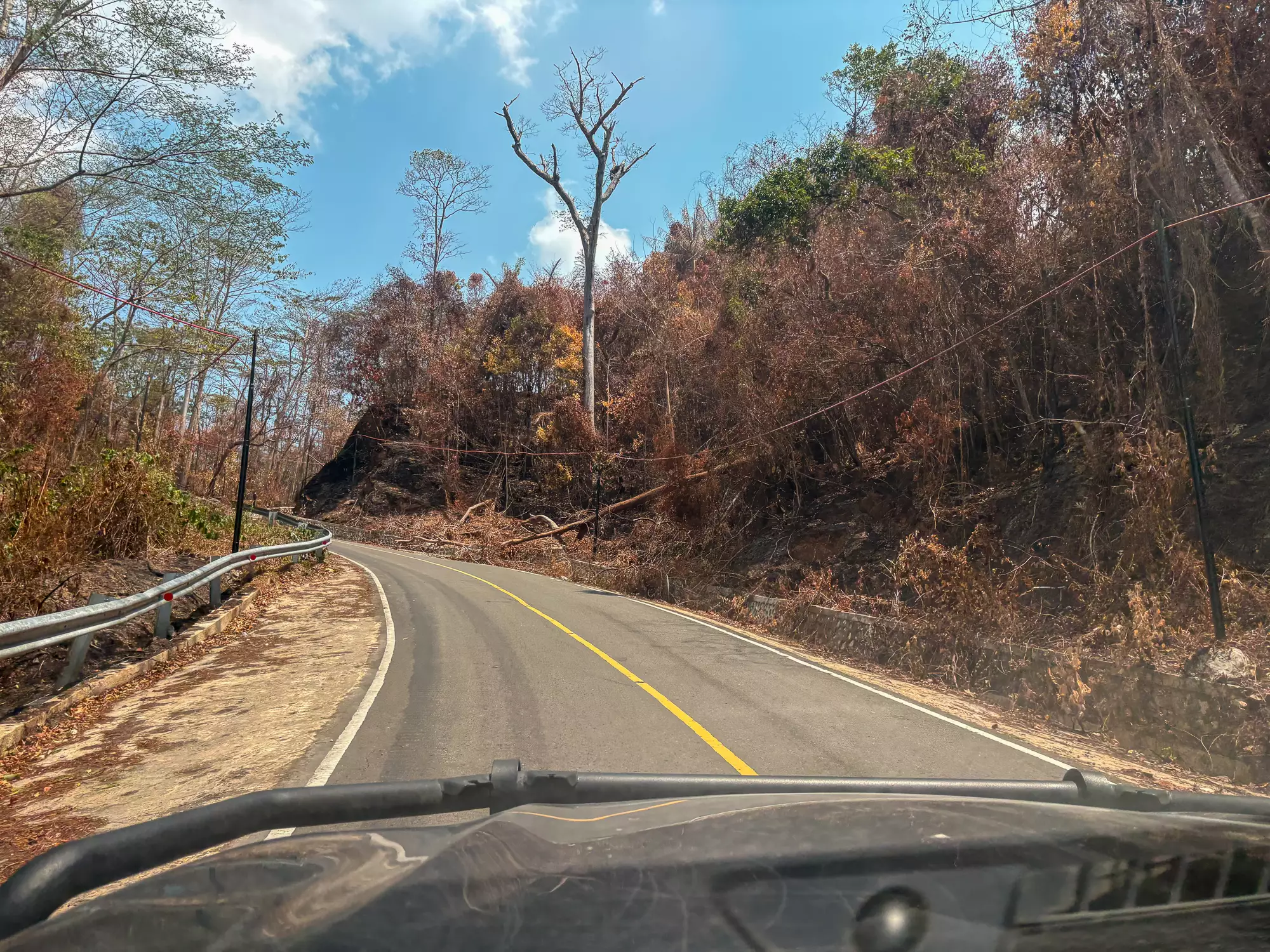
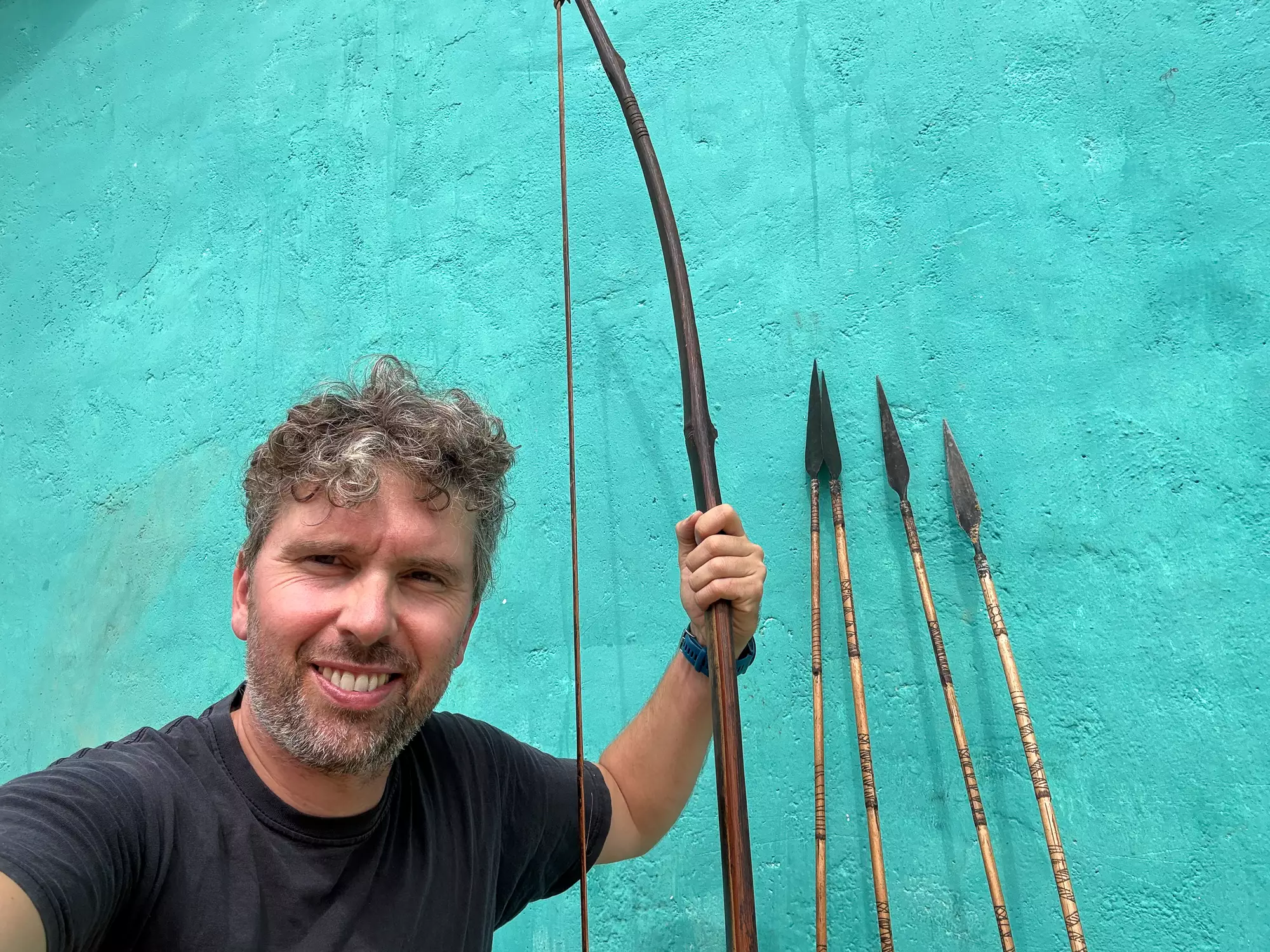
The village of Malagofuk can only be reached on foot. Every brick of every house was carried over a footpath:
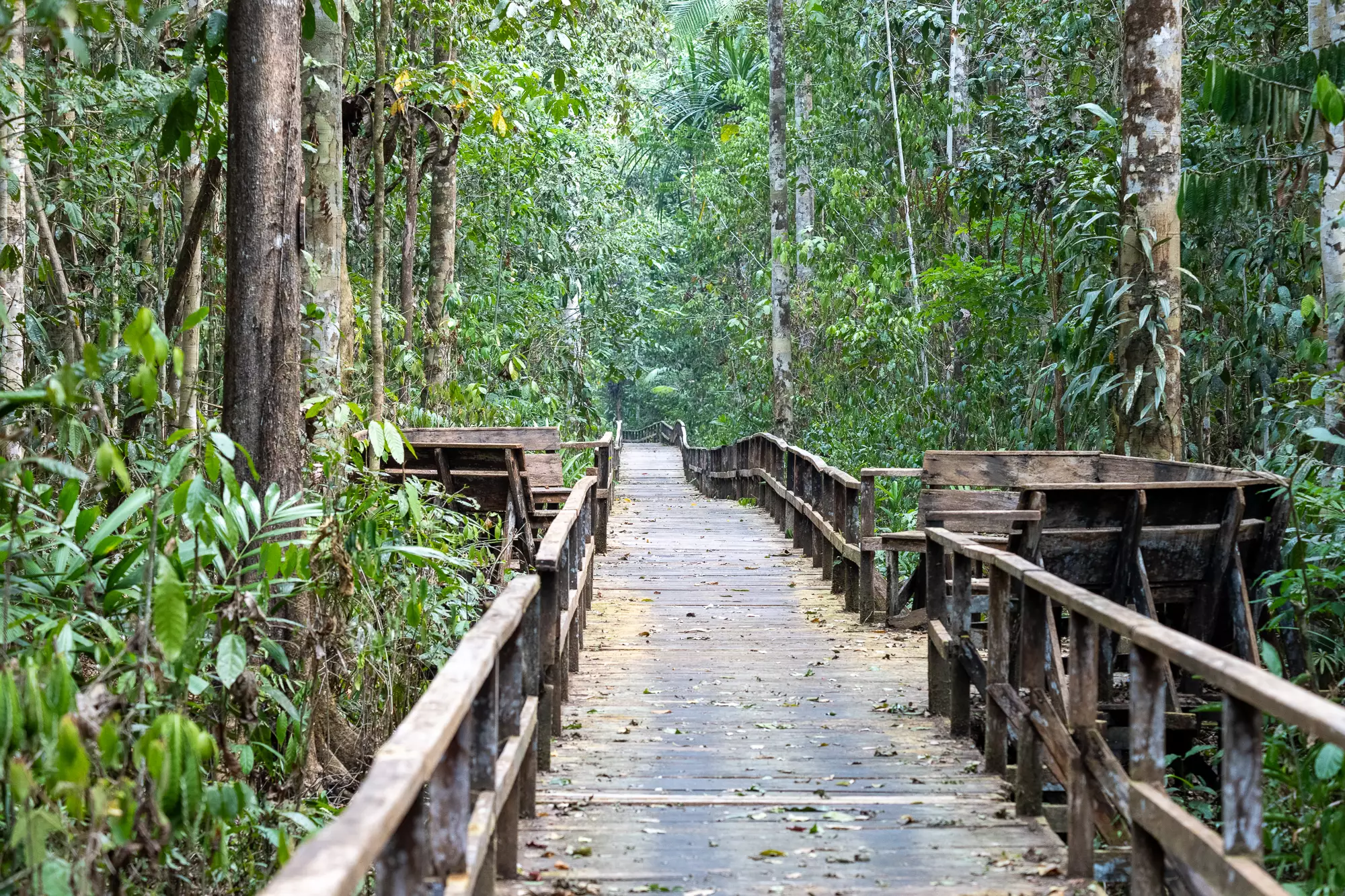
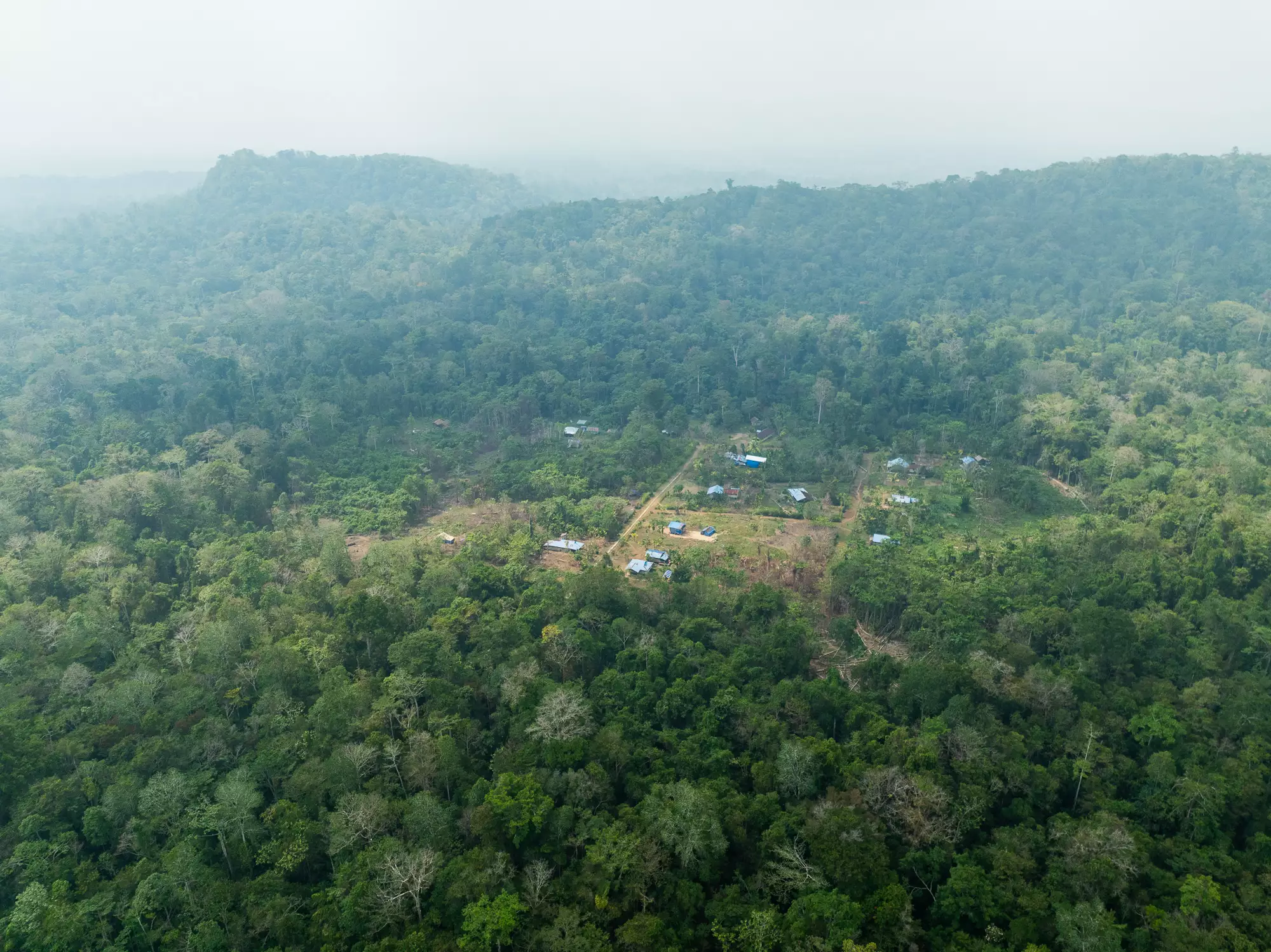
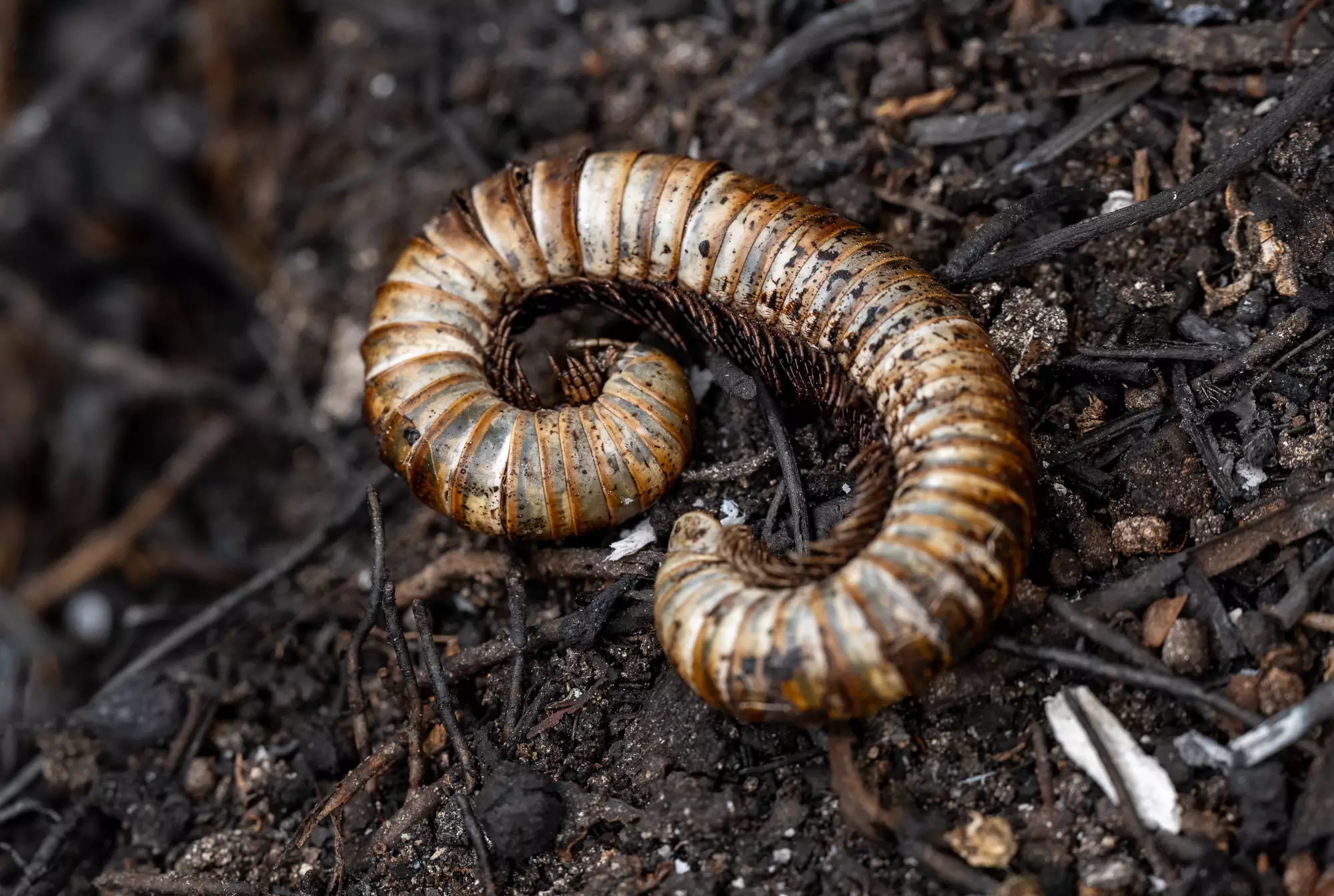
We had to change many plans, since Birds of paradise were not displaying here. No magnificent Riflebird. No Long beaked echidna, the main reason for visiting this place.
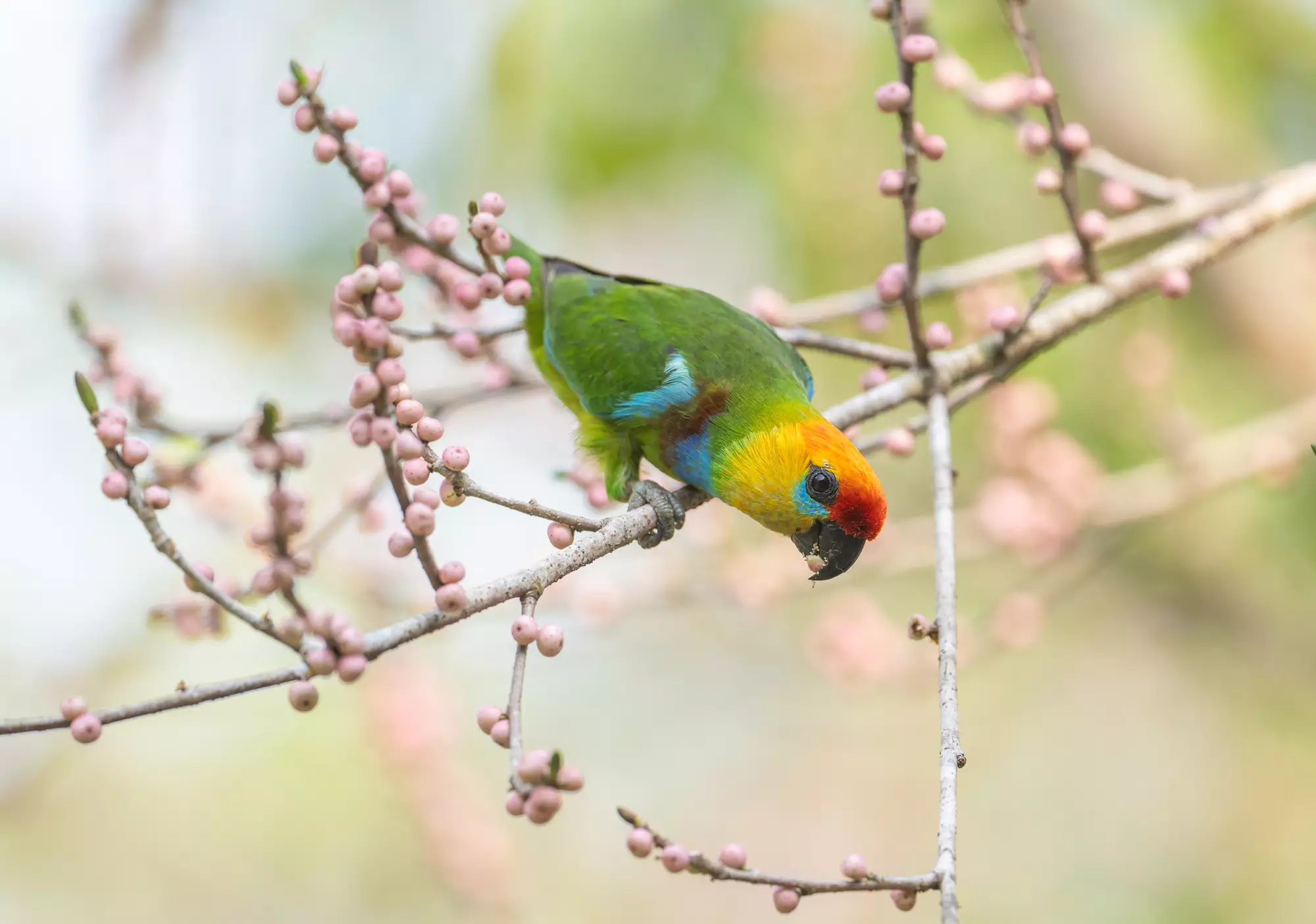
What we did see, were super beautiful pigeons and I will dedicate the next images to the astonishing diversity of pigeons in West Papua.
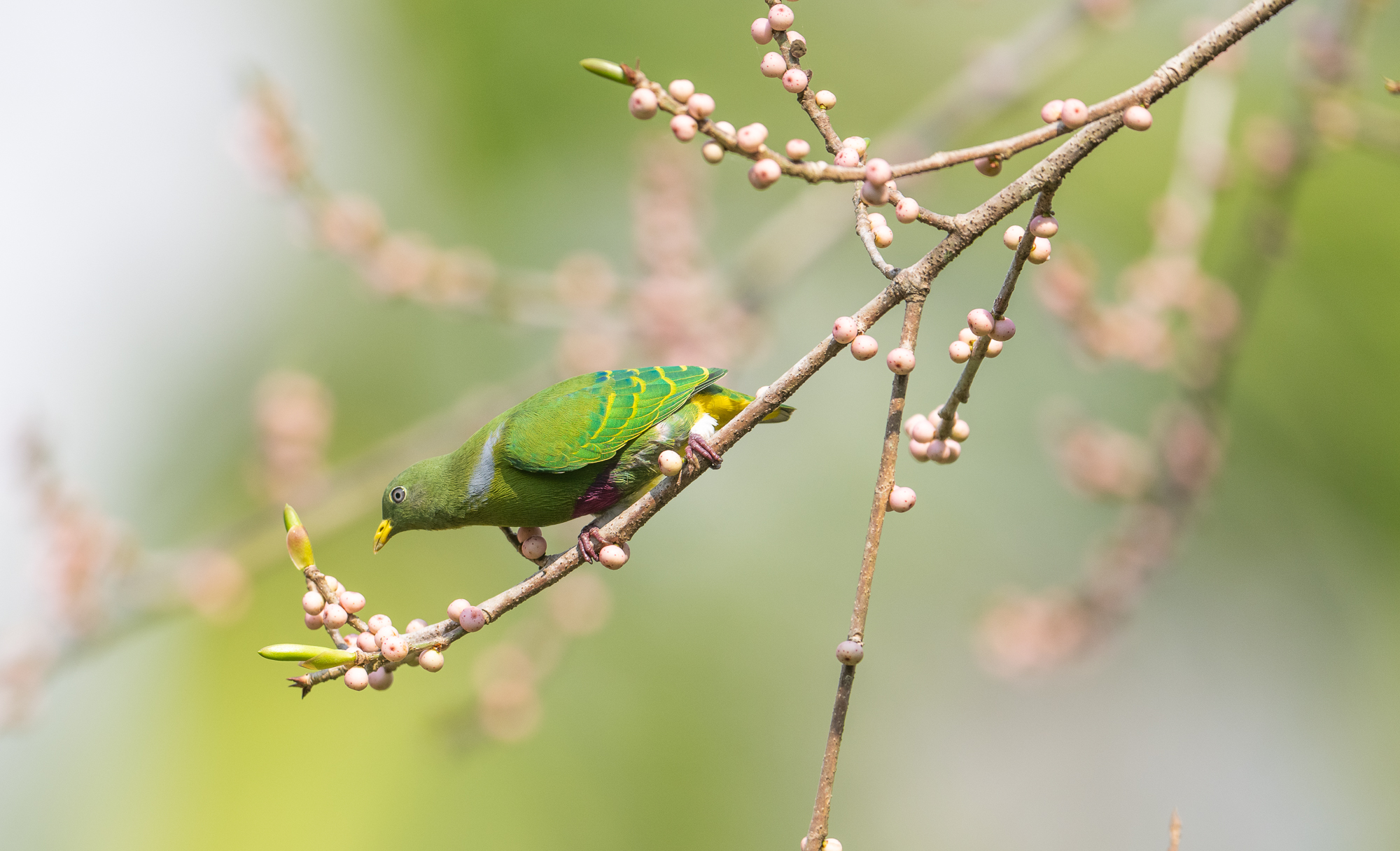
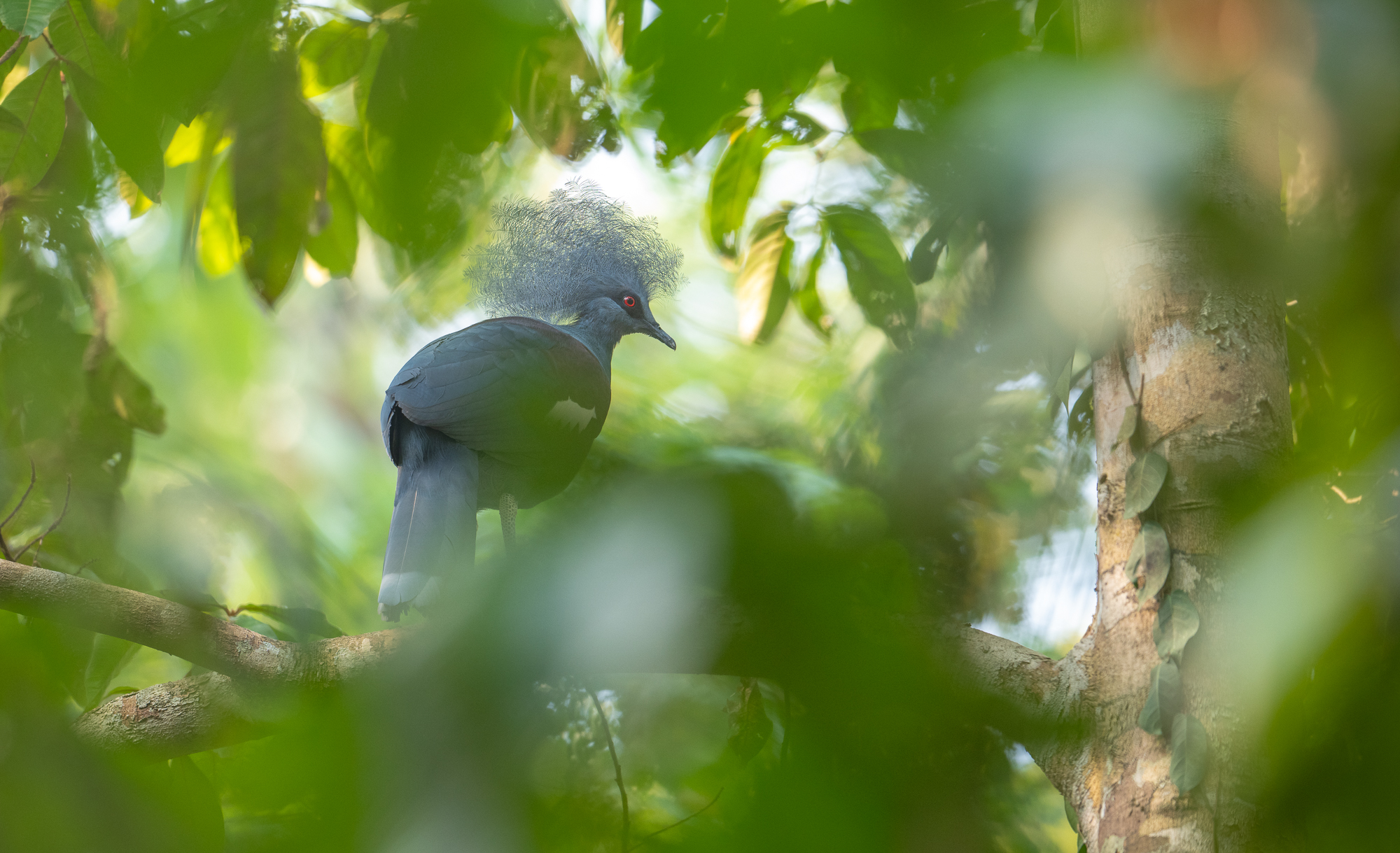
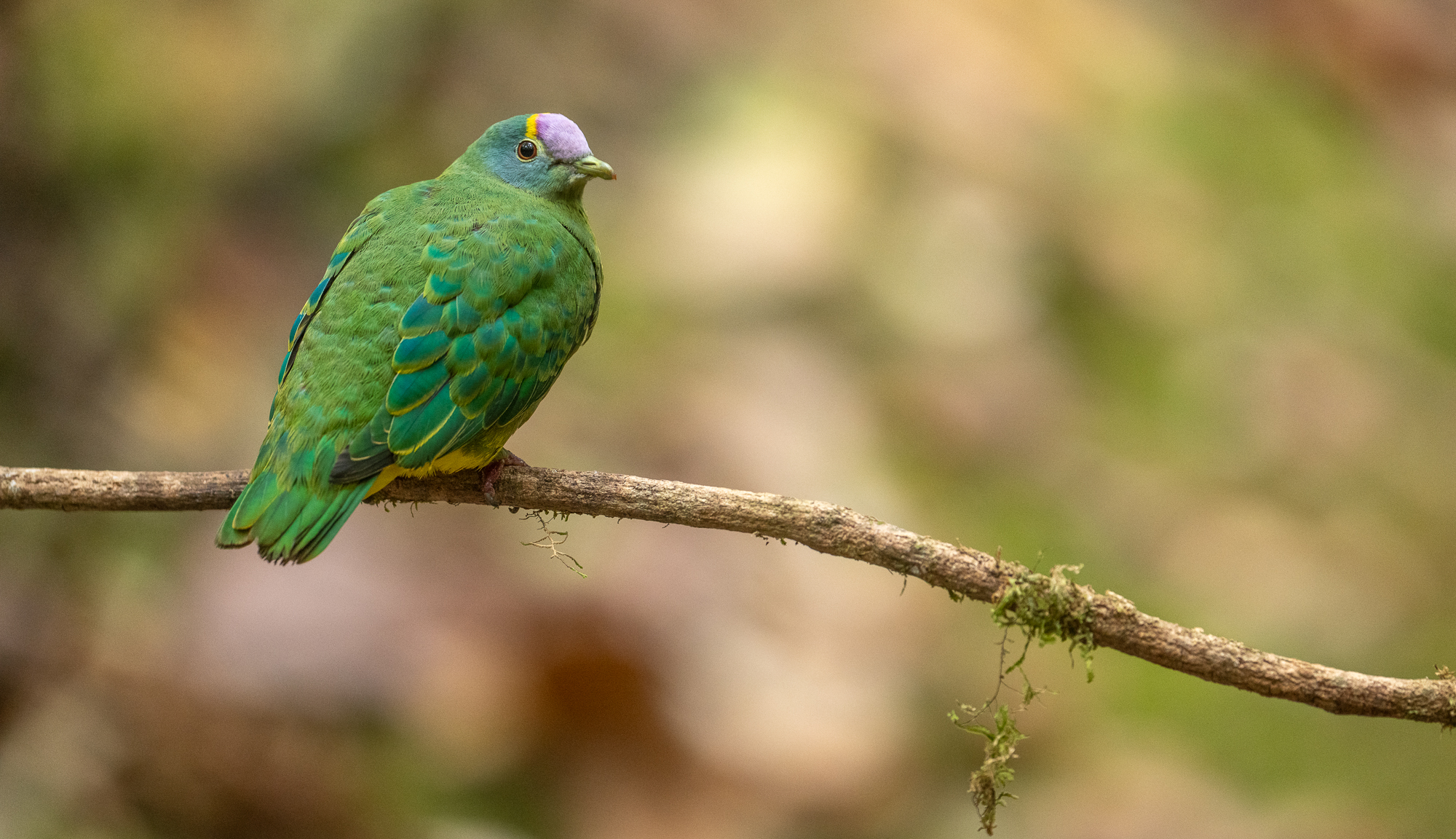
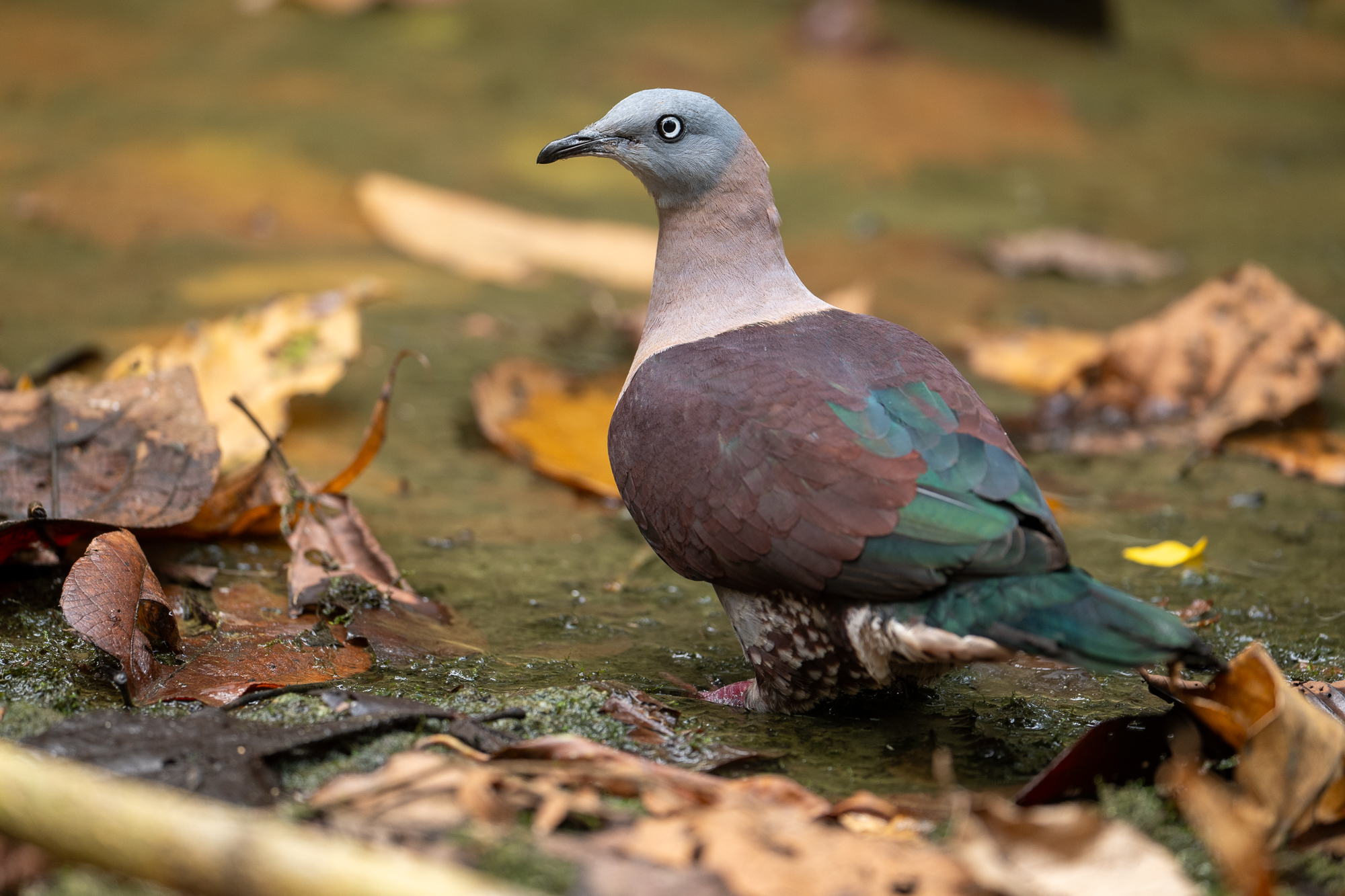
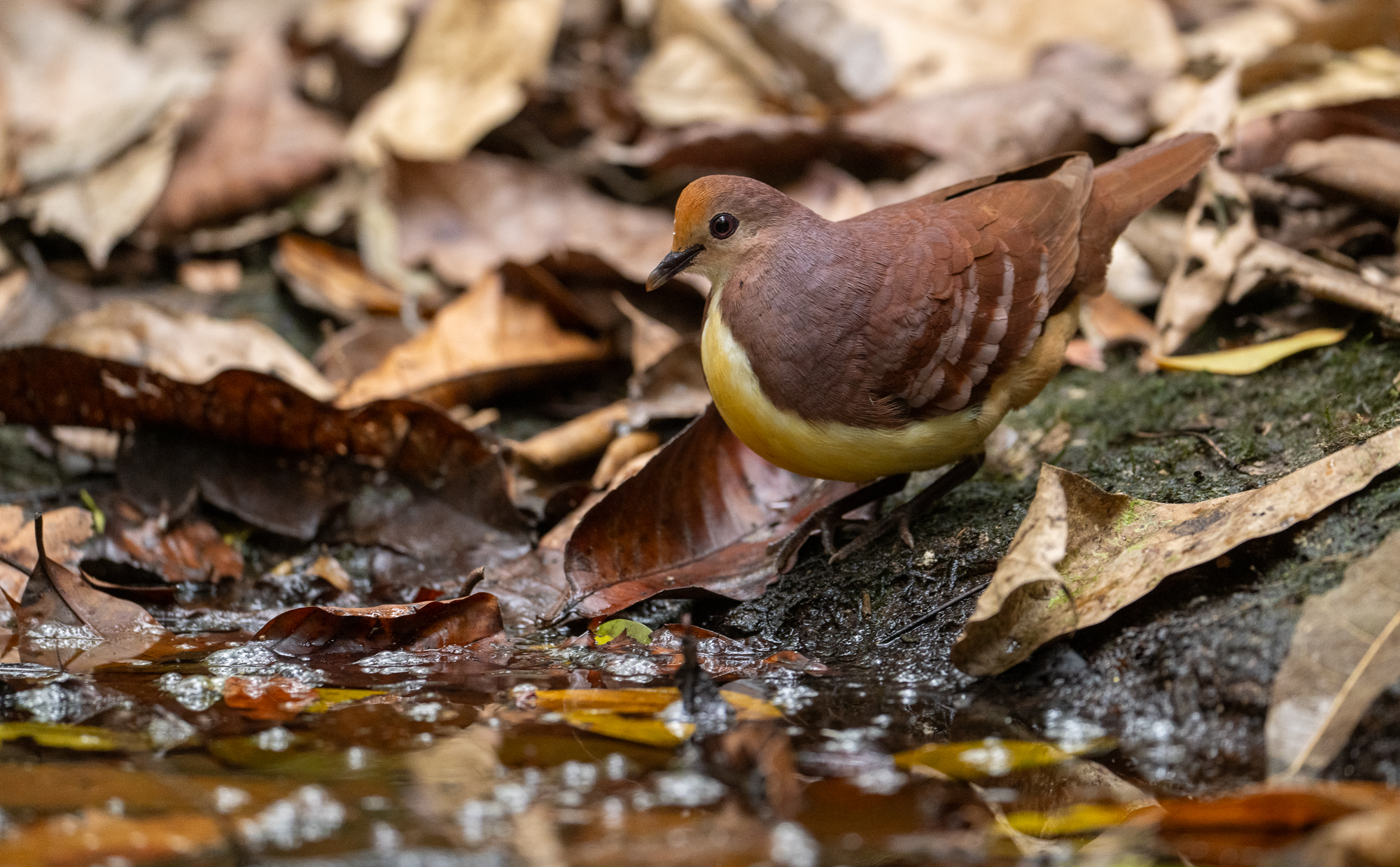
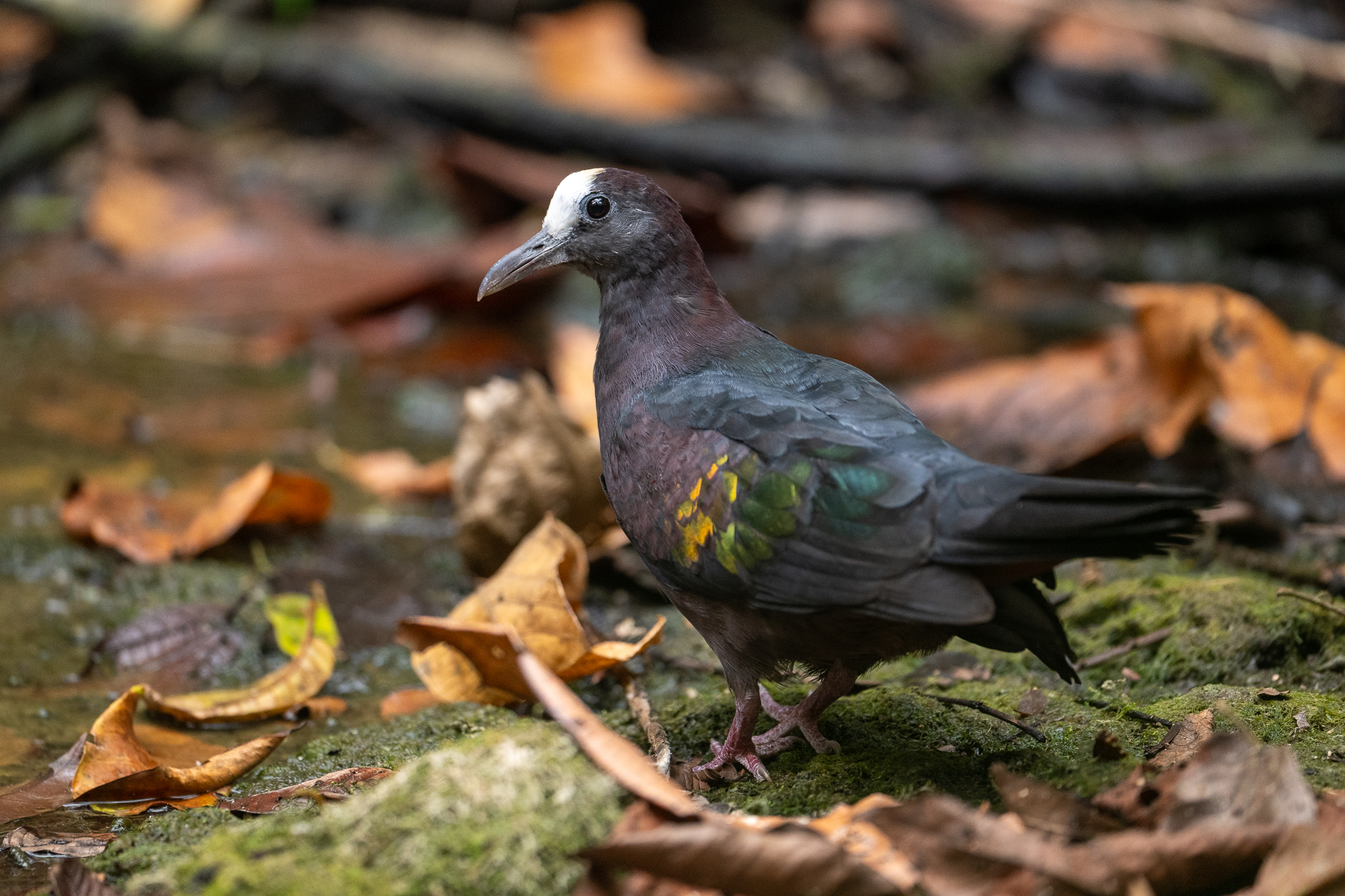
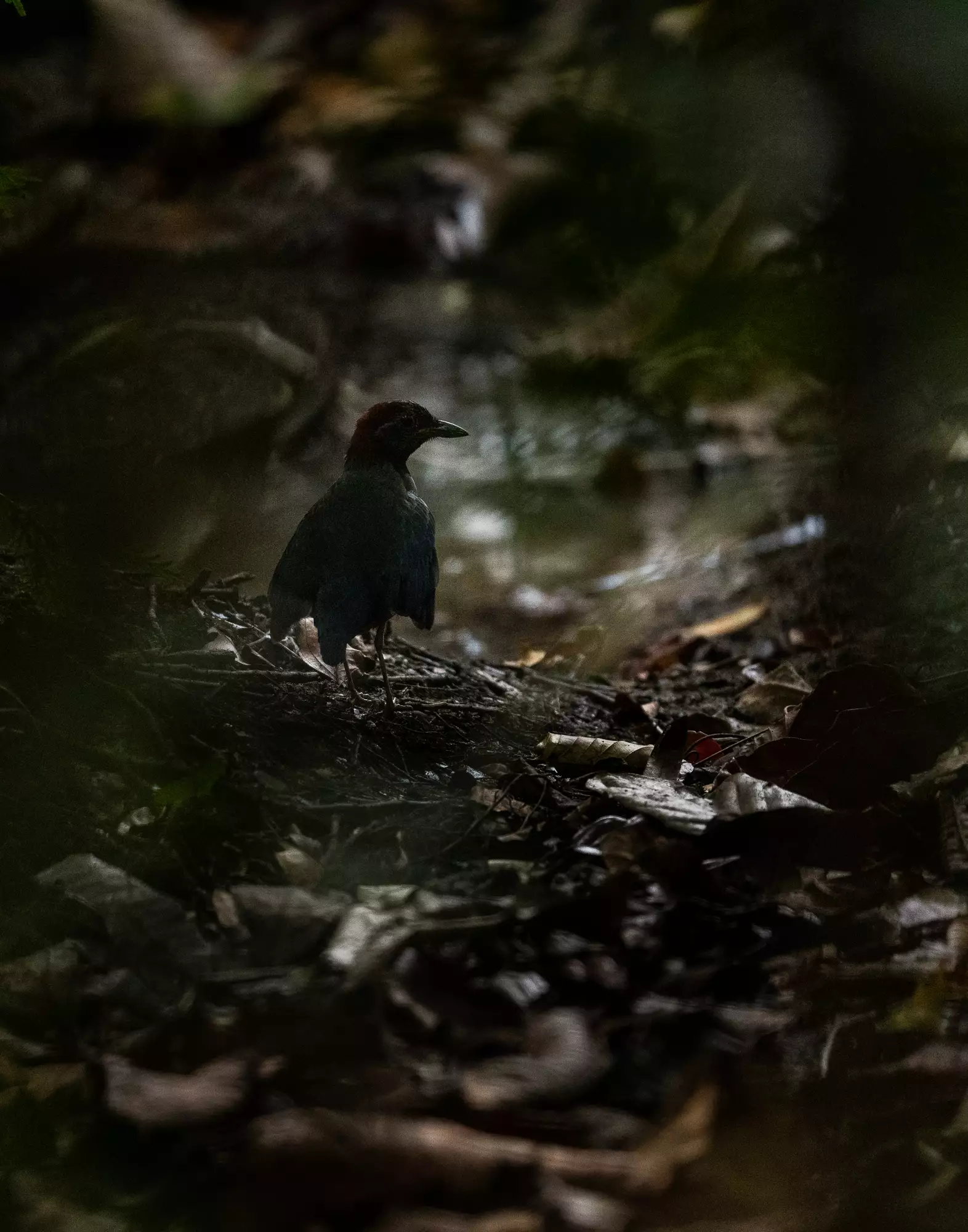
In Malagofuk, most of what we tried did not work, and we stayed near fruiting trees, or put our time in seeing Pitta's on the forest floor.
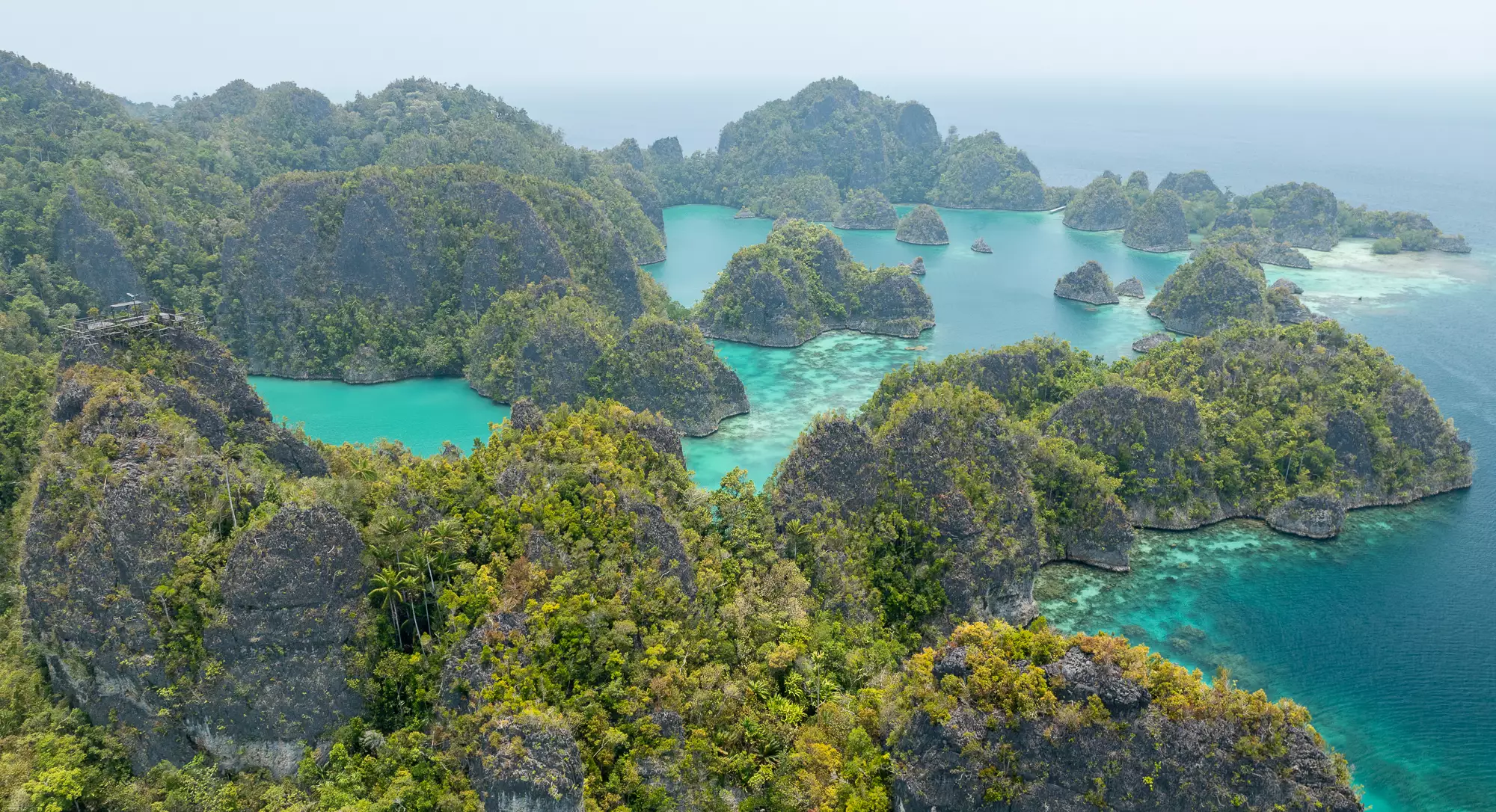
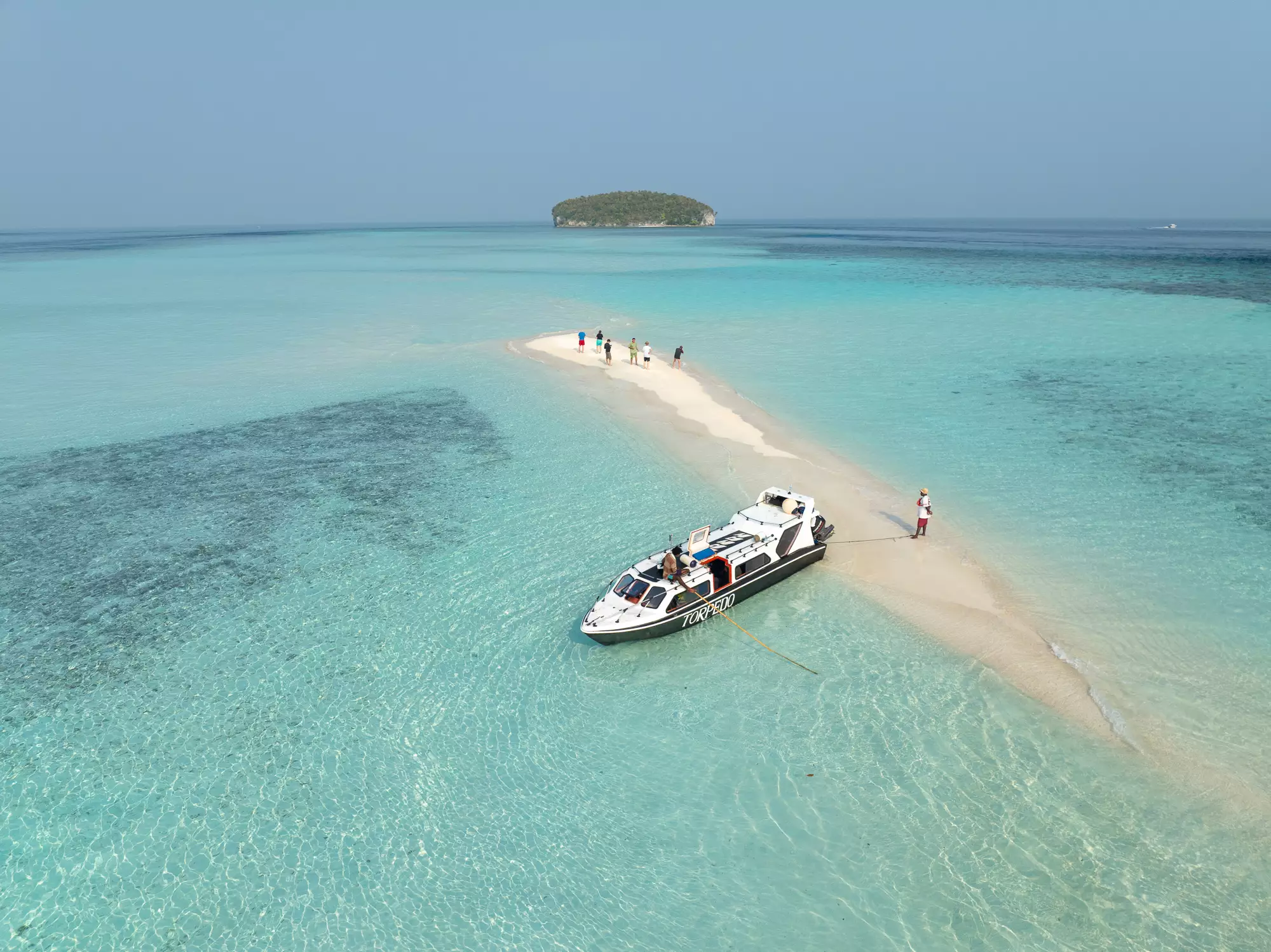
After two weeks of basic accomodation, we were happy to travel to Raja Ampat and the island of Waigeo. This is a more touristic place, since thousands of people visit it yearly, for diving and snorkeling. Raja Ampat has the most and best preserved coral reefs in the world.
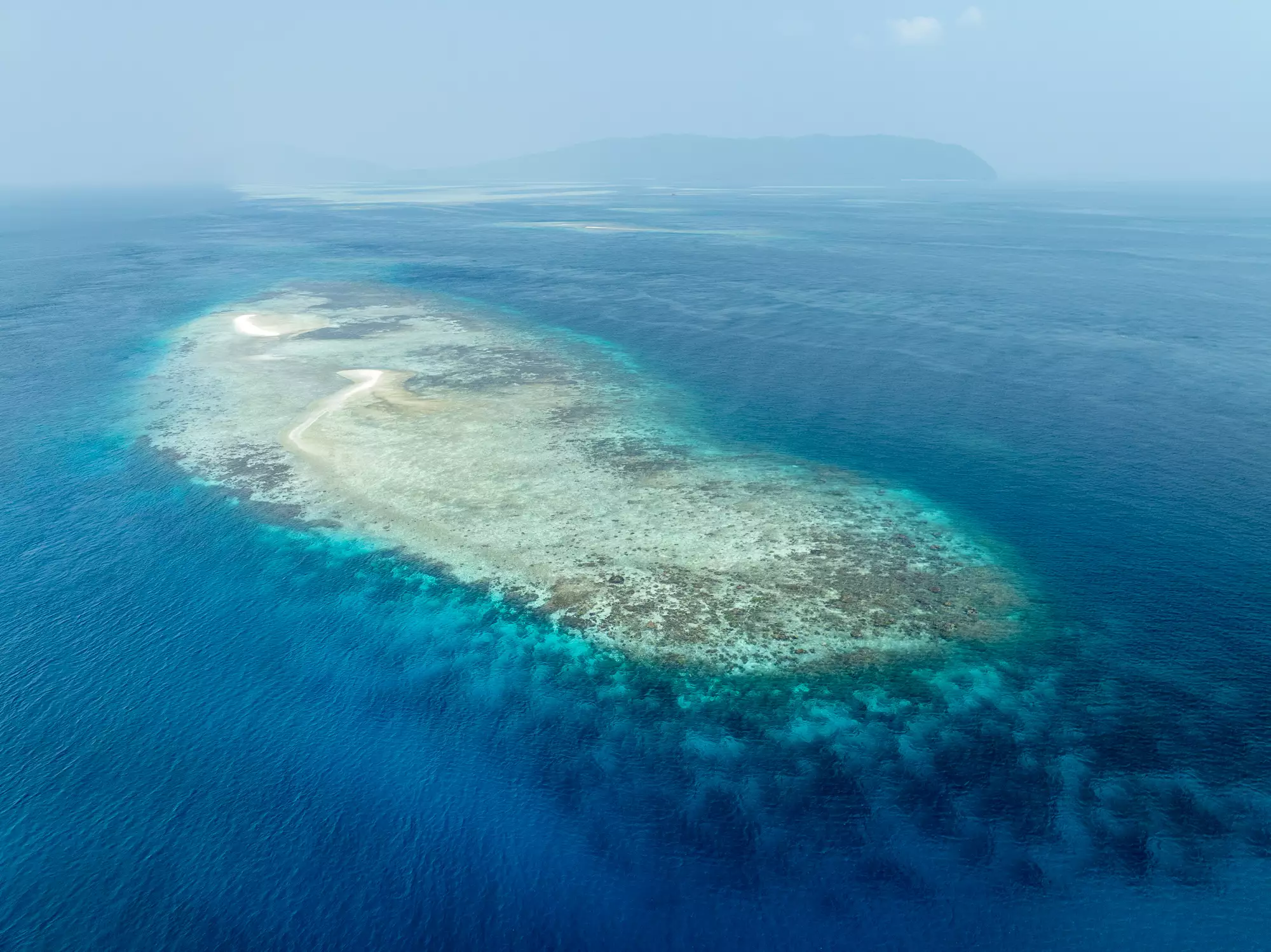
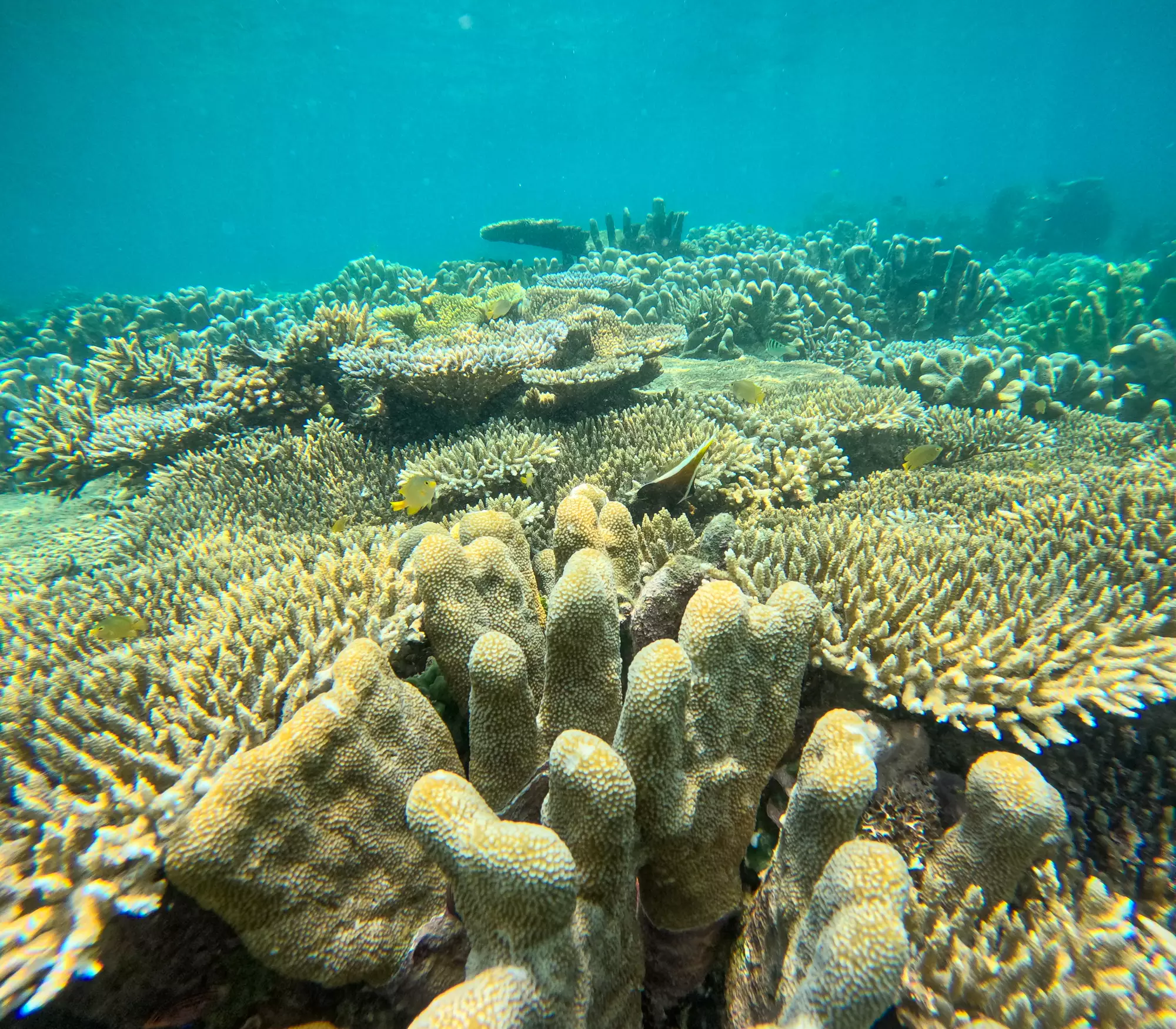
Safe to say the Mega El Nino was causing havoc here as well. Water too high in temperature, was flowing into these ecosystems and causing coral bleaching.
This made me ask a lot of people where the fate of Raja Ampat would be similar to the great Barrier reef, that lost most of its corals in the past decades.
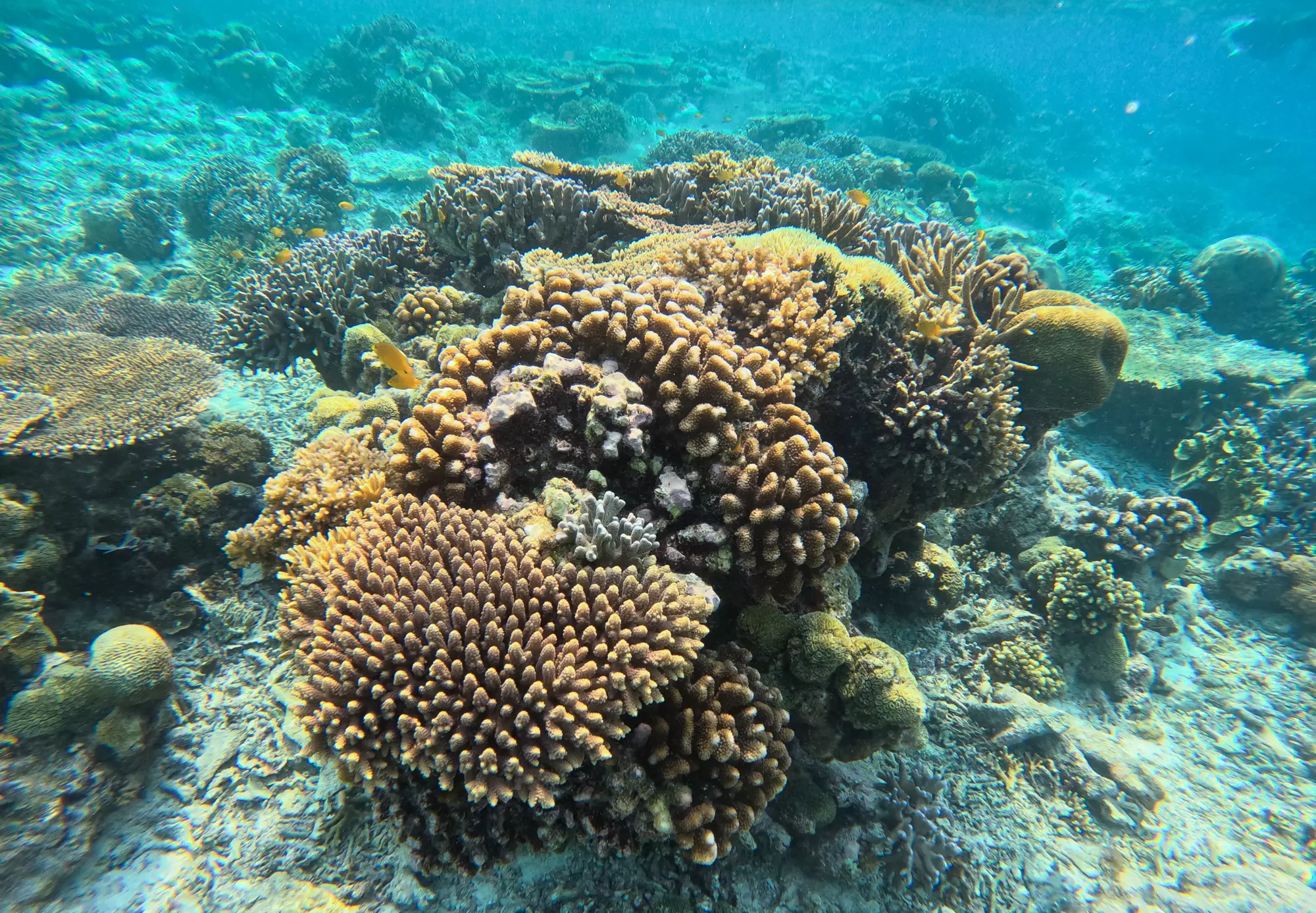
I was happy to hear that Raja Ampat experiences far less severe bleaching than the Great Barrier Reef primarily because of the Indonesian Throughflow, where powerful tidal currents continuously mix cool, deep ocean water with shallow reef environments. Additionally, Raja Ampat's extreme biodiversity has bred heat-tolerant coral strains accustomed to fluctuating conditions, while its steep limestone karst islands shade shallow reefs from intense solar radiation, altogether preventing the massive coral bleaching of the Great Barrier Reef.
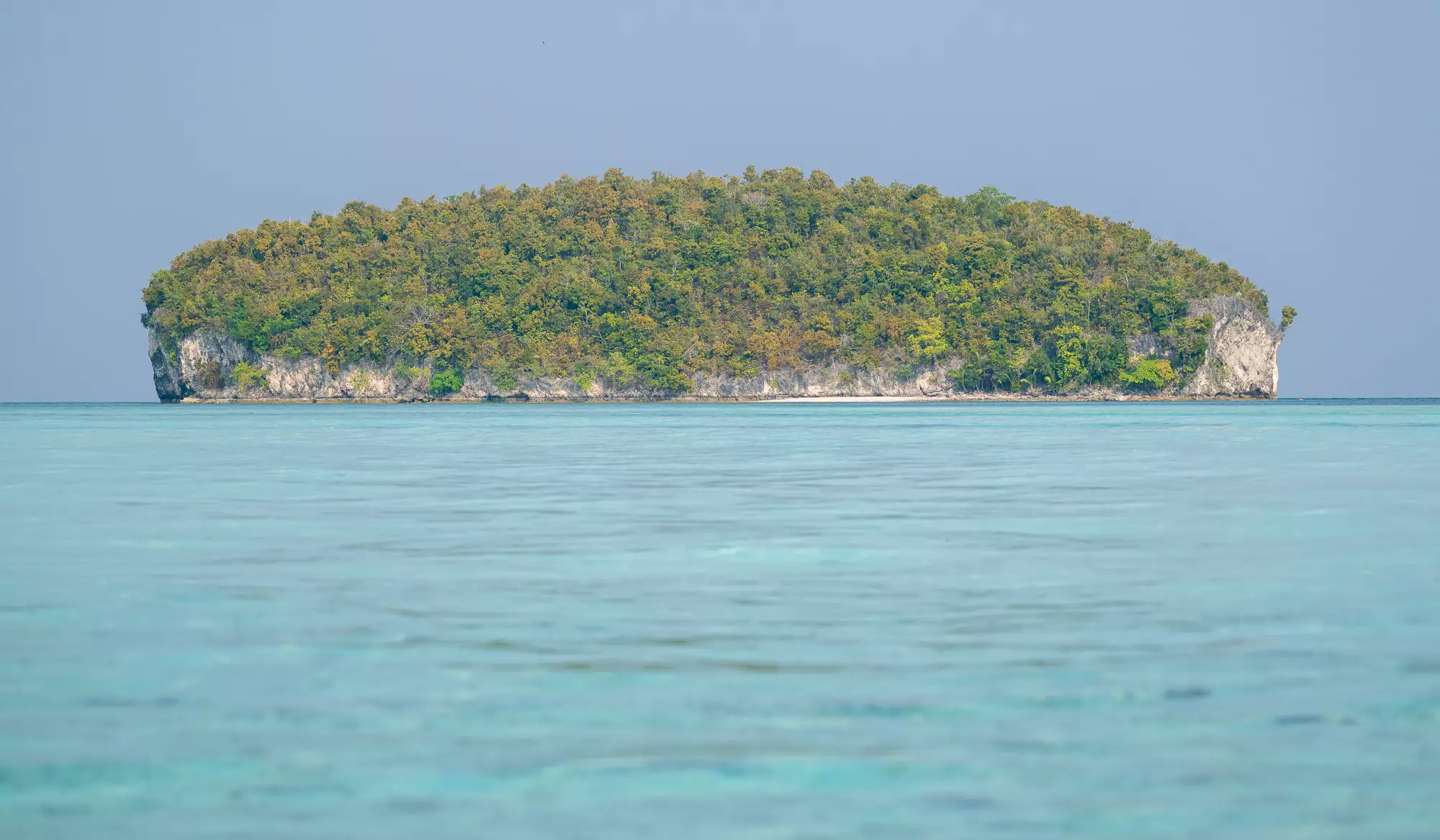
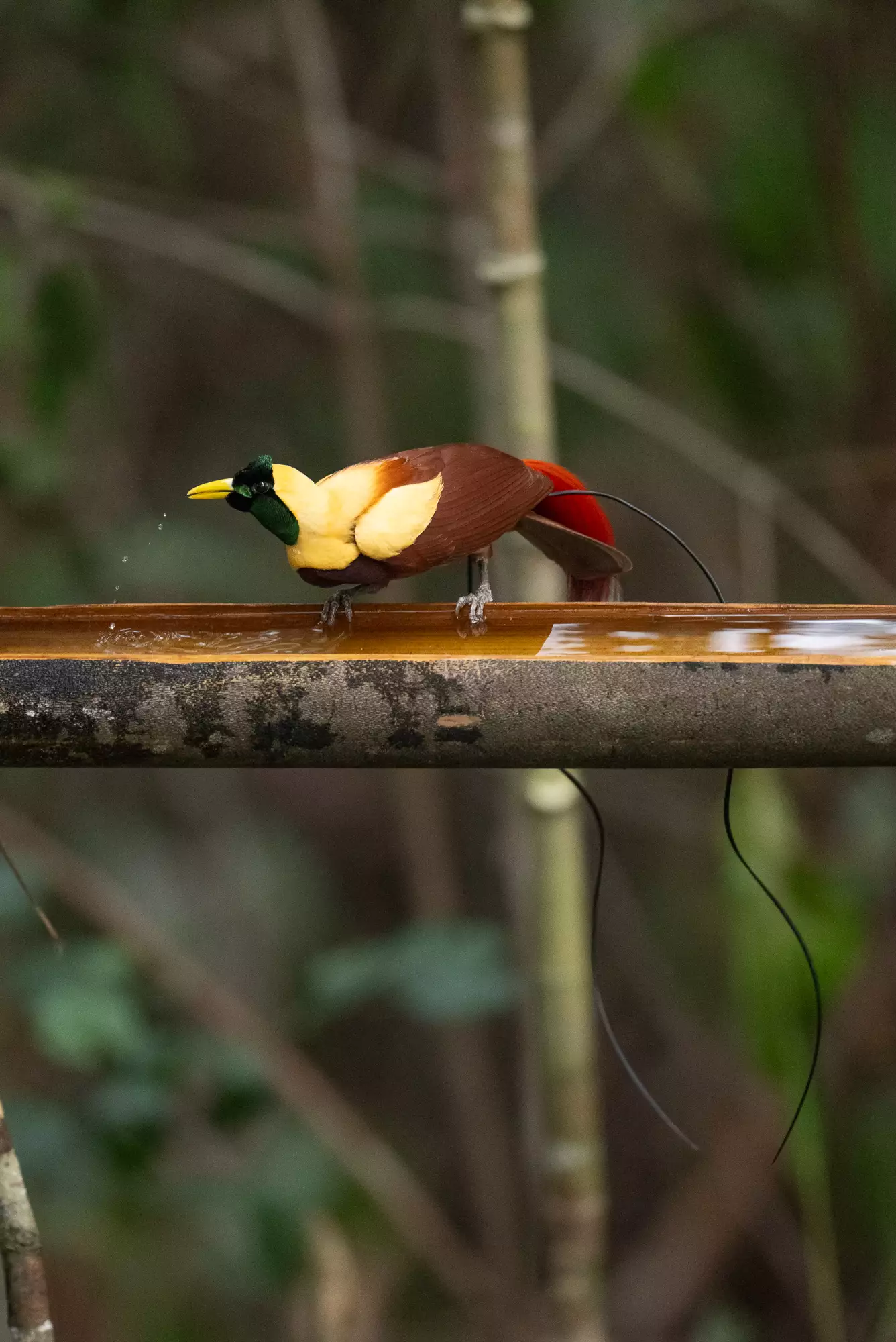
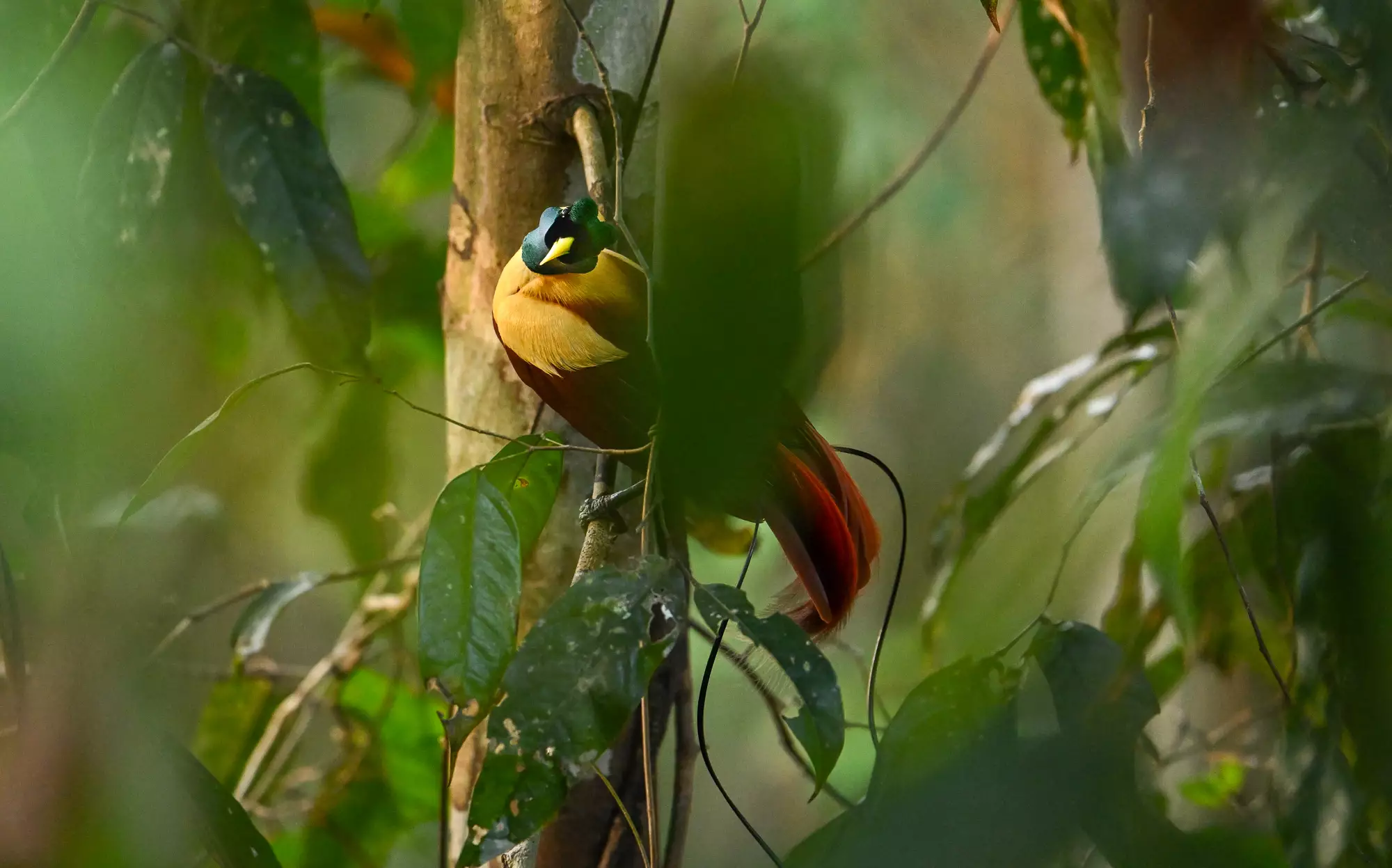
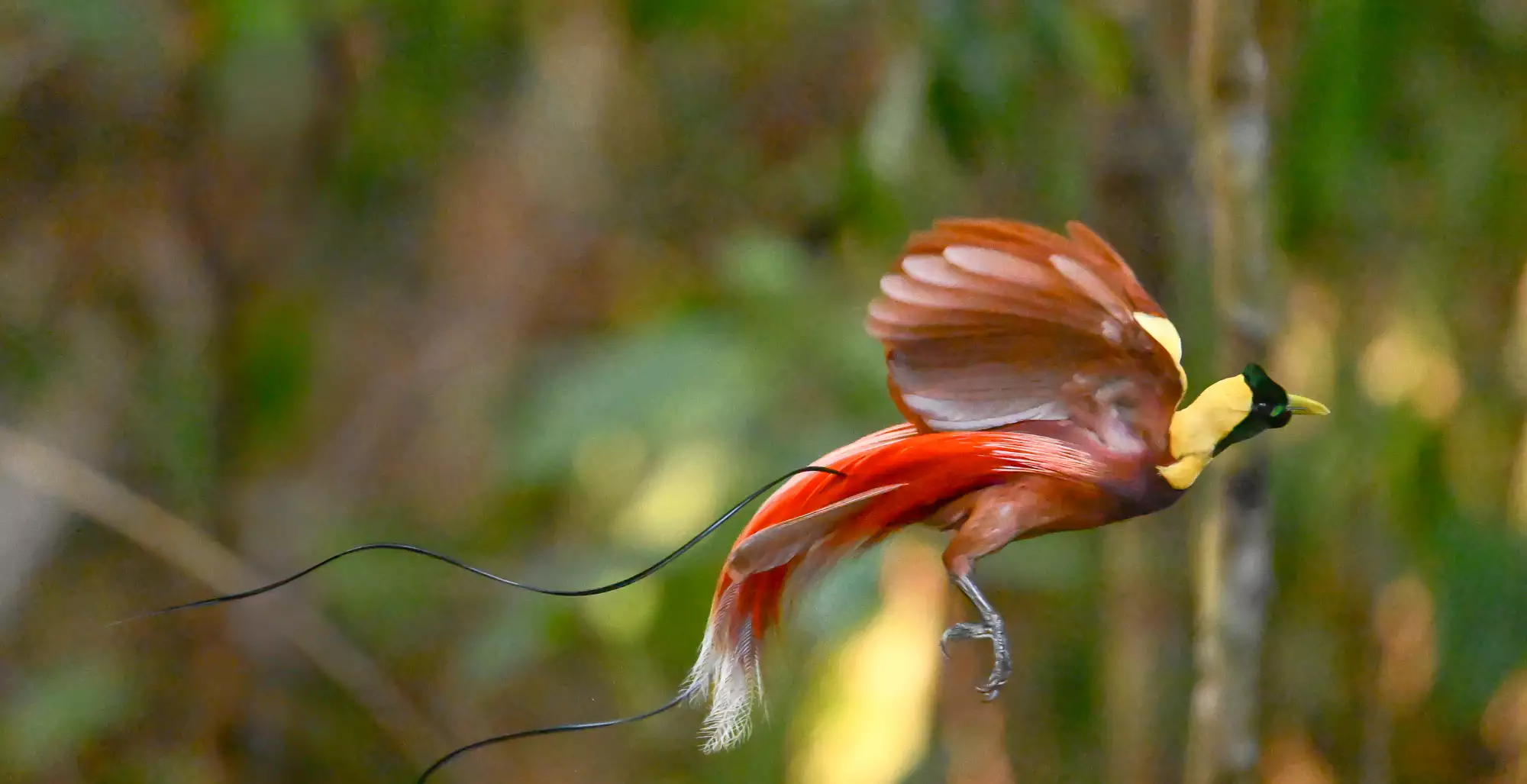
This meant we had to travel to the inner jungles of Waigeo in search of two endemics: Red Bird of Paradise and Wilson's BOP
First we tried Red Bird of Paradise. A tribe had built a feeding station, offering water as well. The thirsty birds were eager to come and drink.
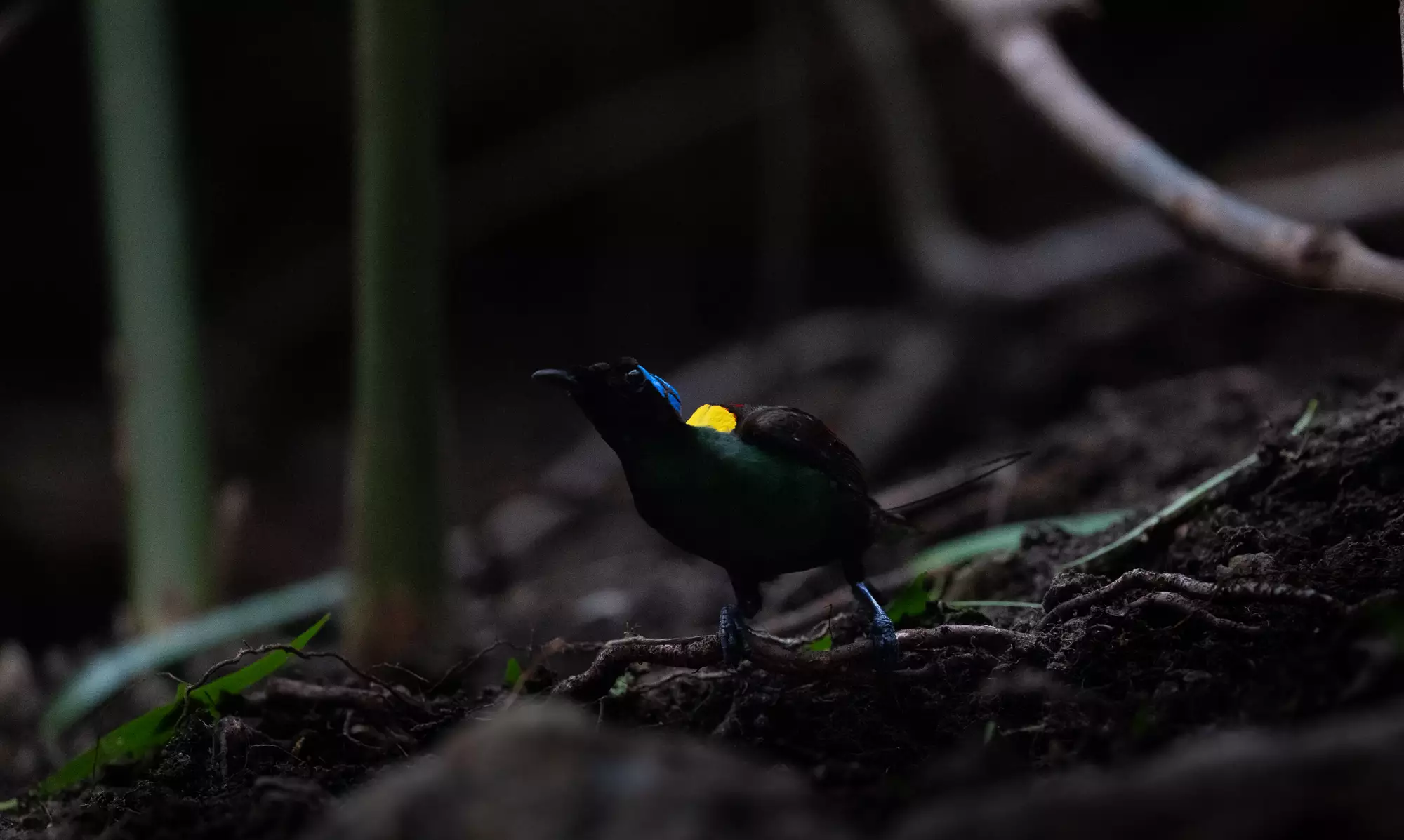
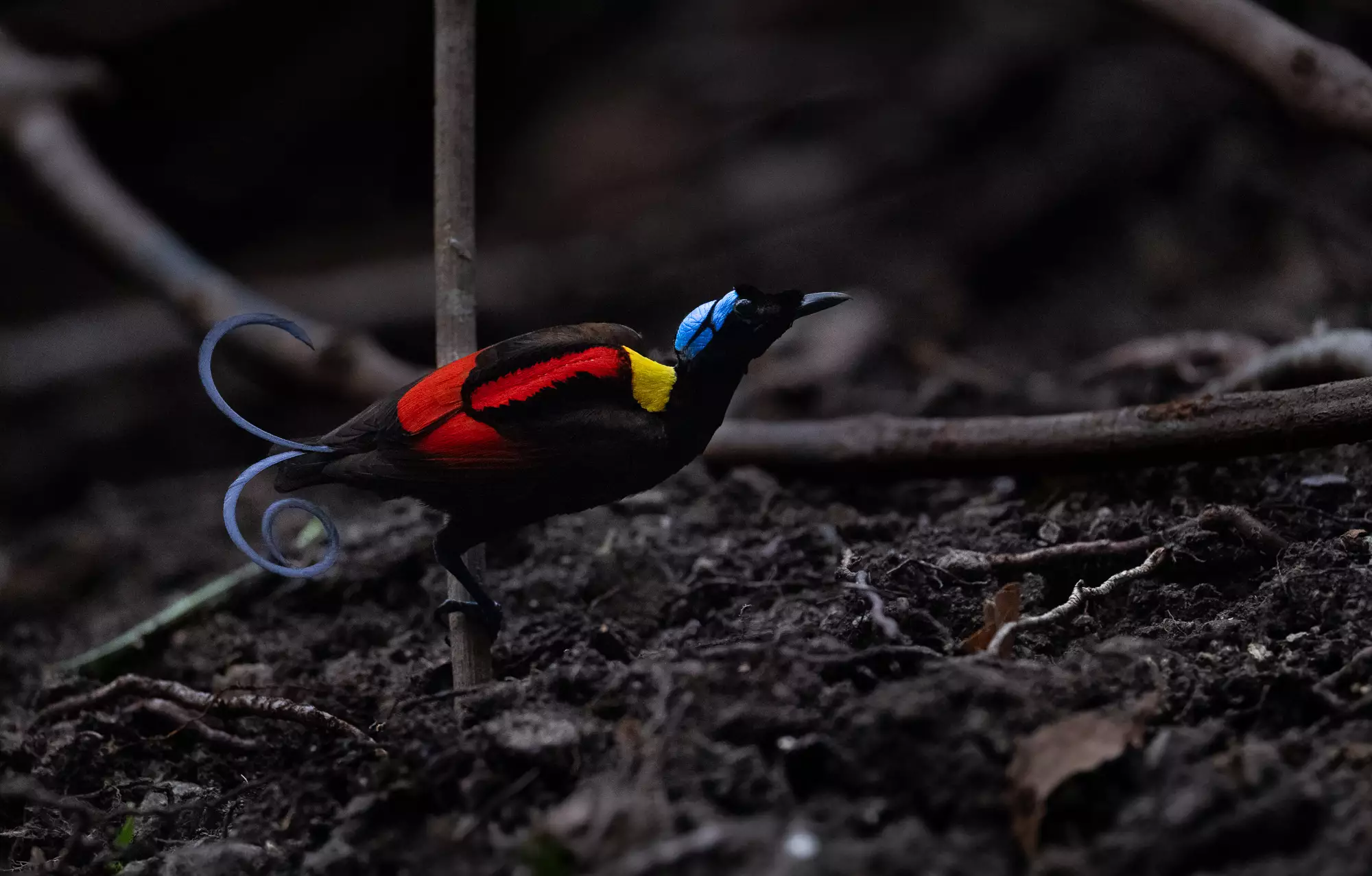
The other highlight why people travel to Waigeo is to see the endemic Wilson's BOP. This is actually a Magnificent BOP, that was stranded on an island, and evolved into a whole new species. It is also perhaps the most striking example of Birds of Paradise developing iridescent feathers, in order for the female to notice the male's coursthip on the very very dark forest floor.
For half the group this was the end of the trip, and they returned happily with lots of images to sort. The other half, added an extra week to visit the remote islands of Aru.
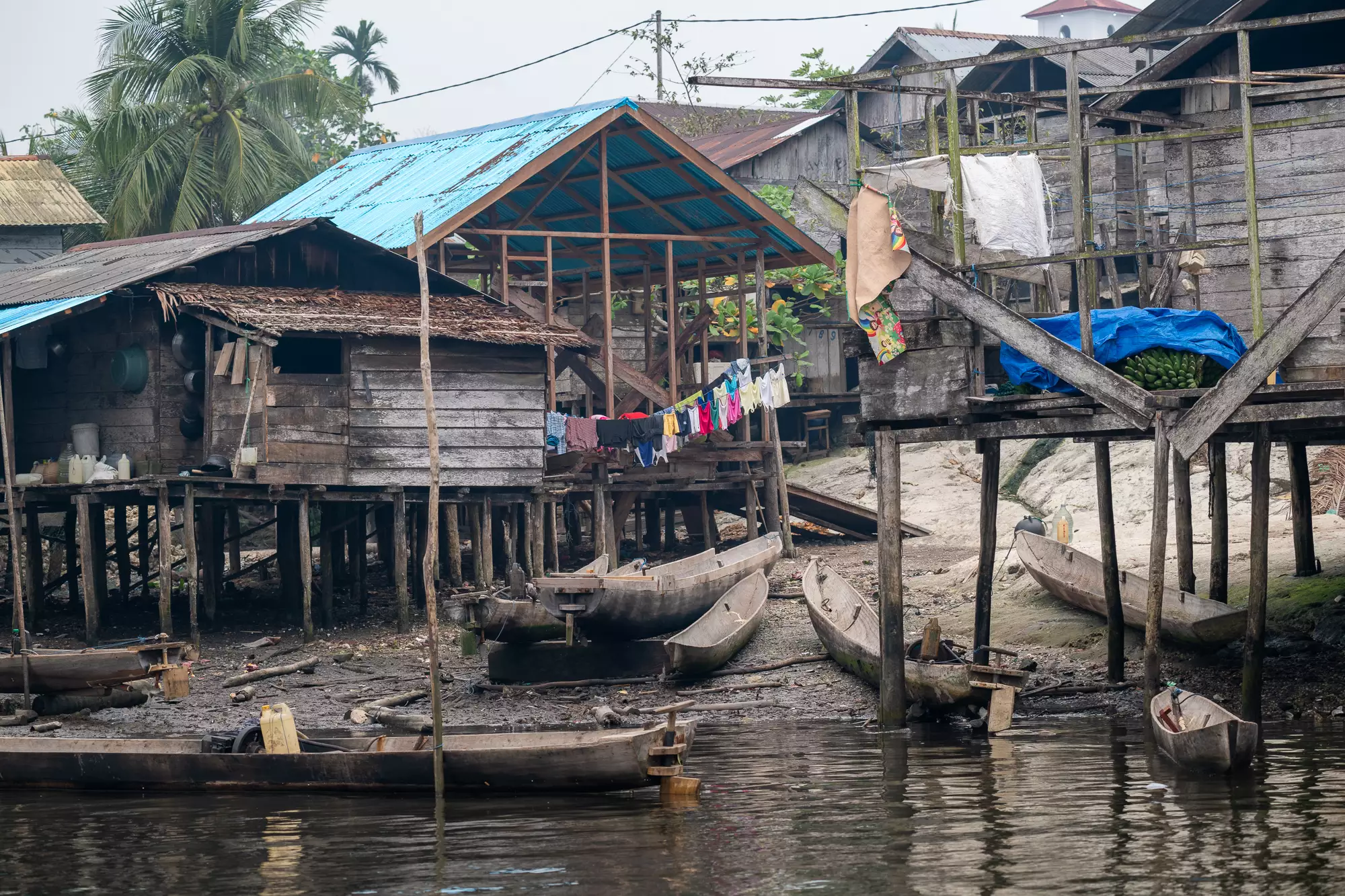
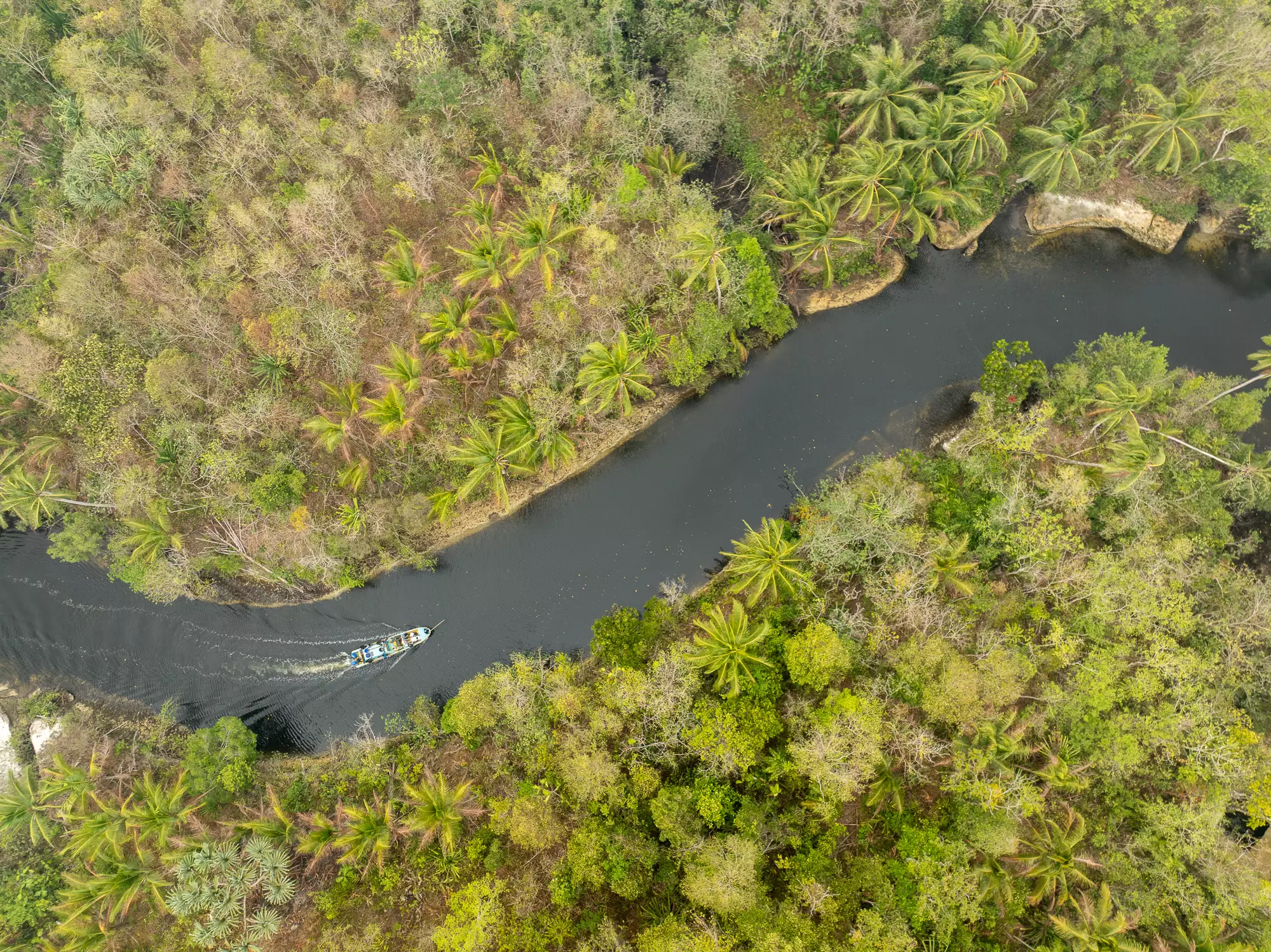
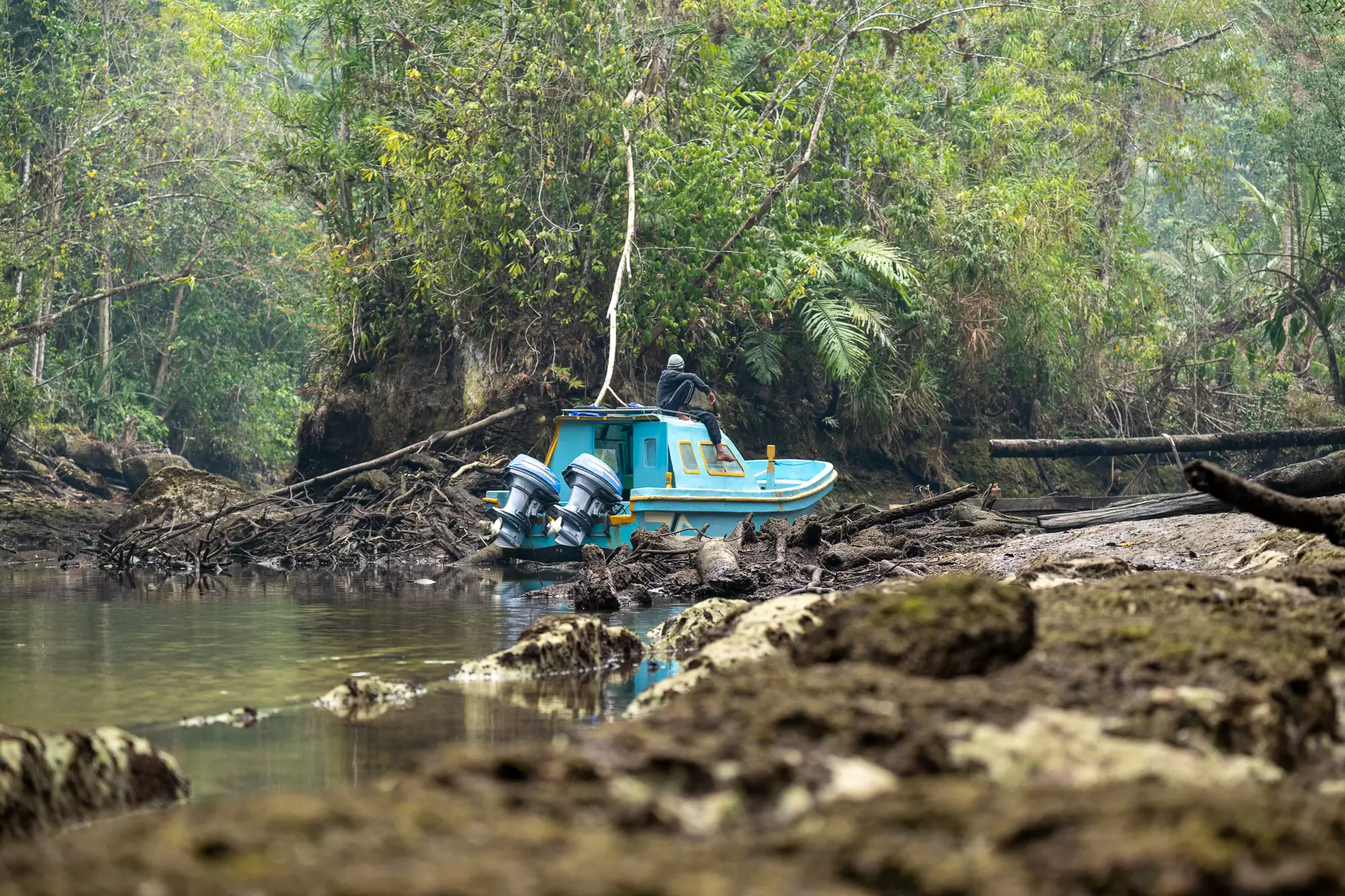
Basecamp could only be reached by navigating the mangroves for hours with a little boat
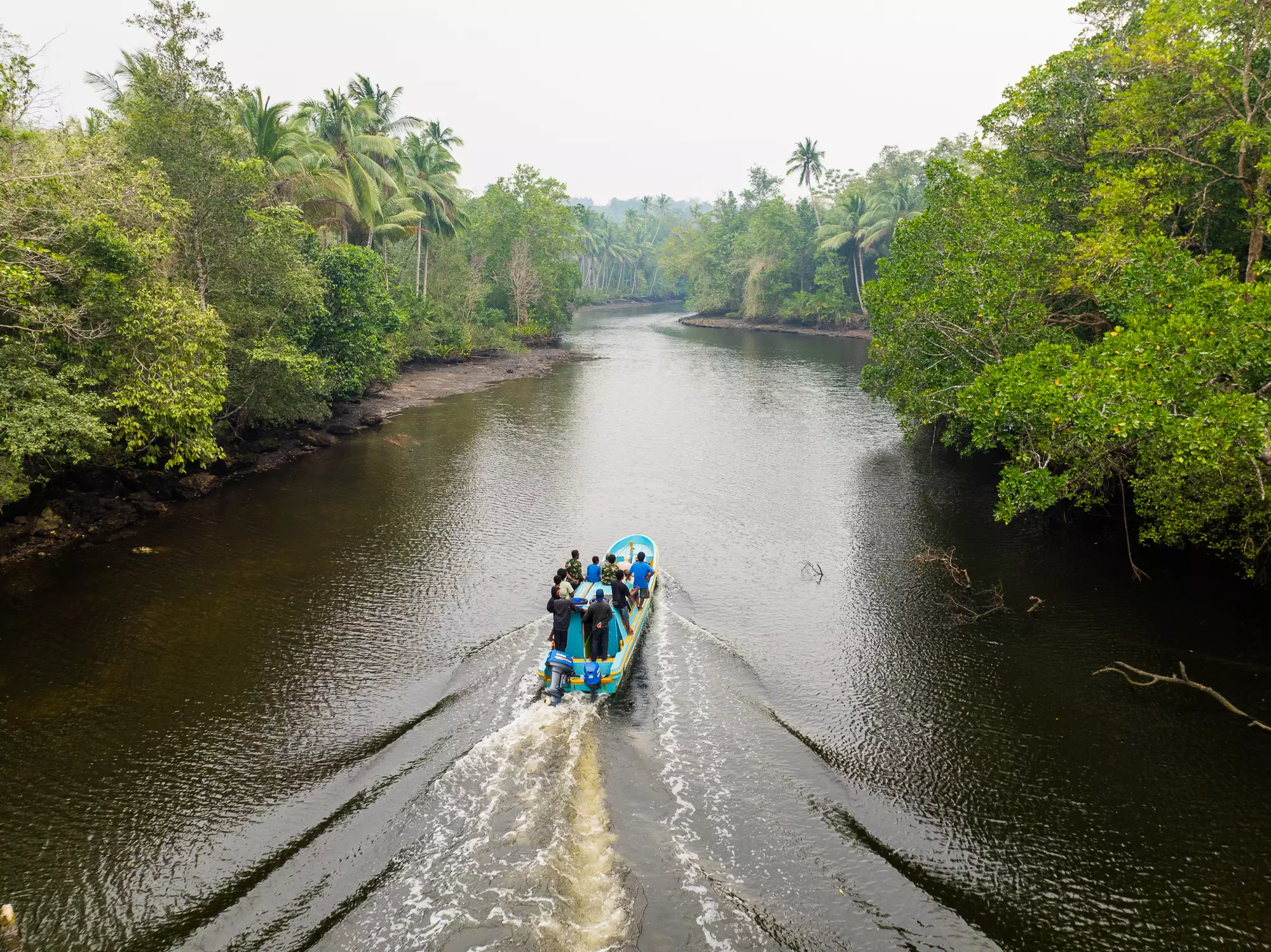
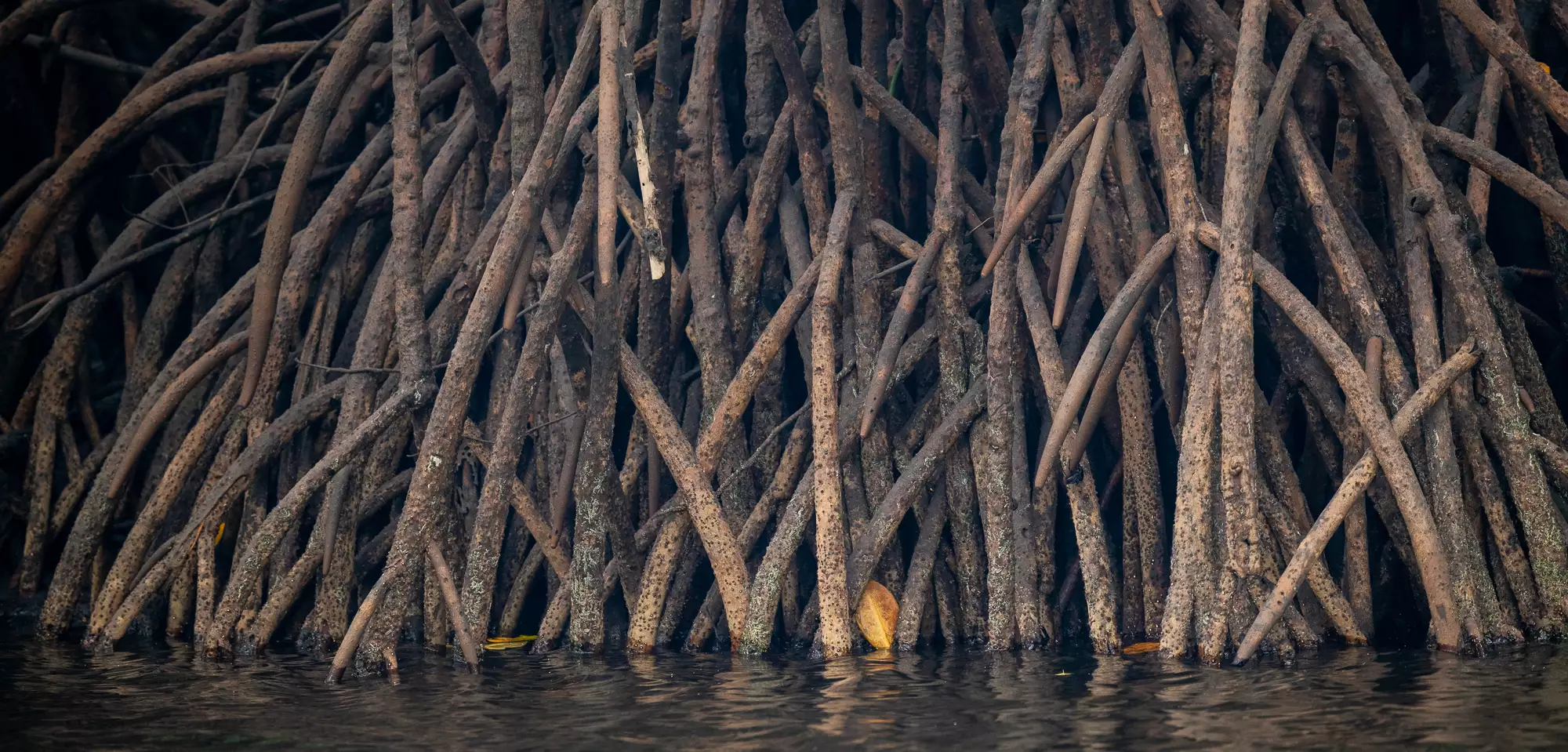
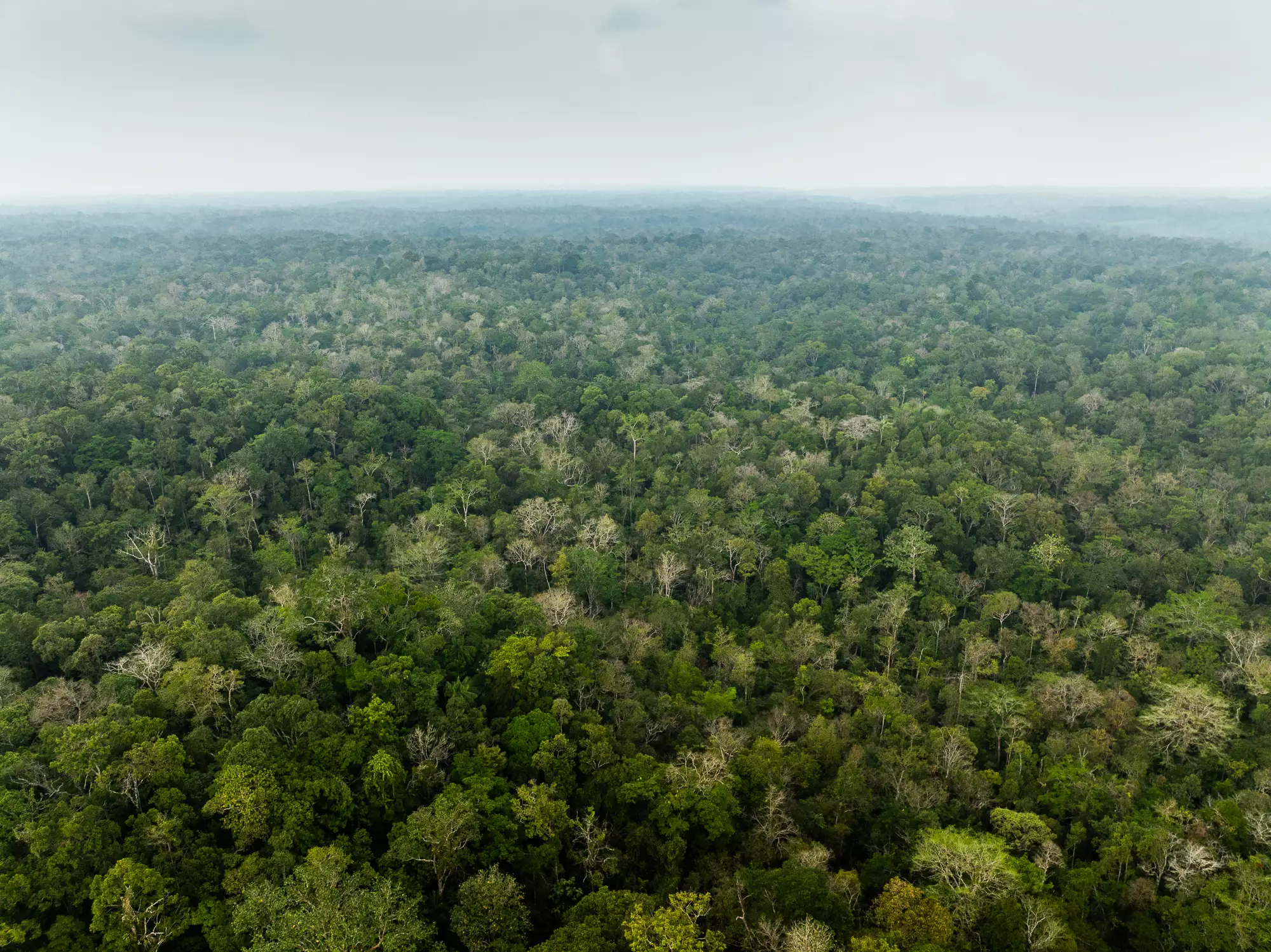
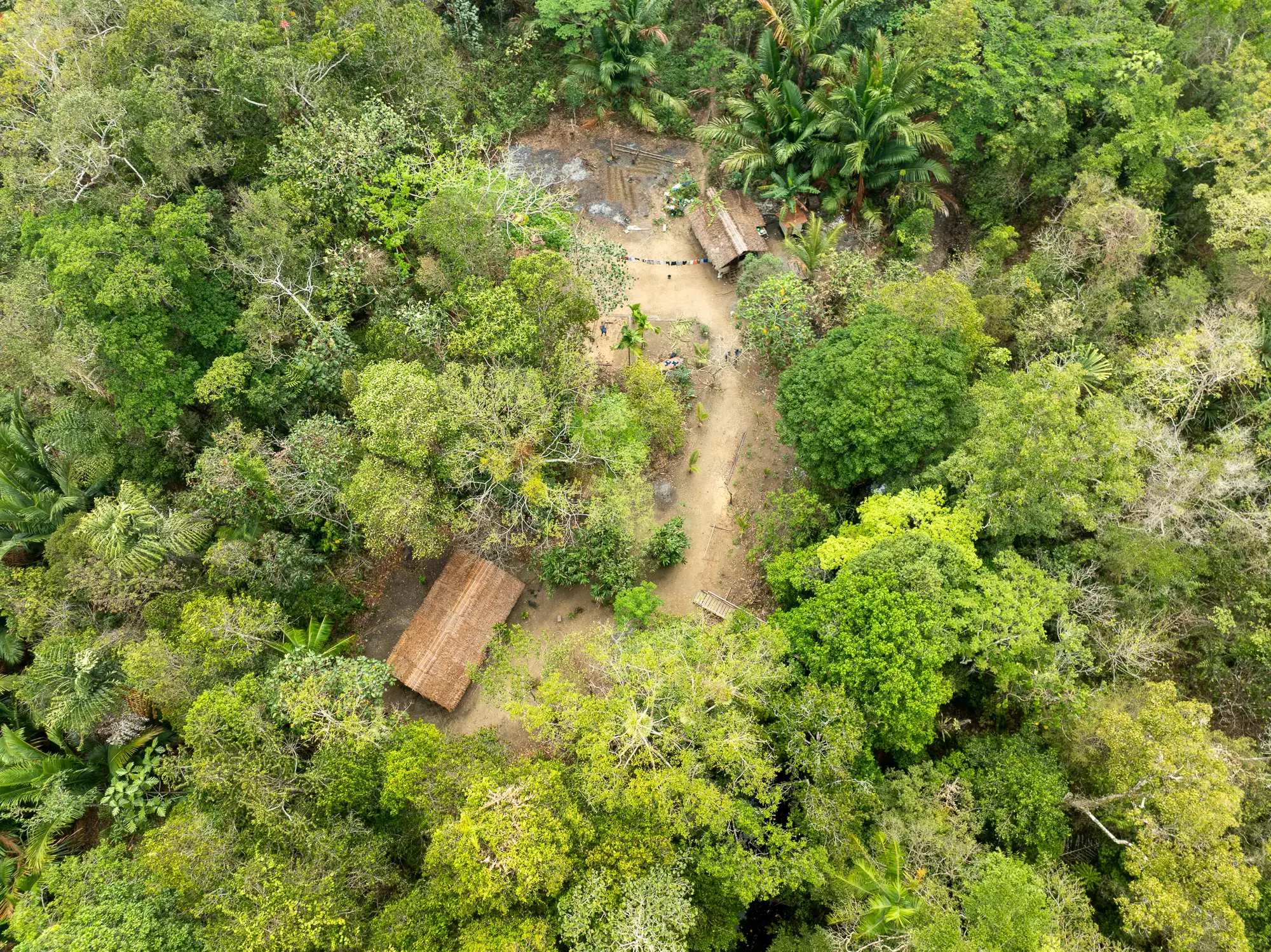
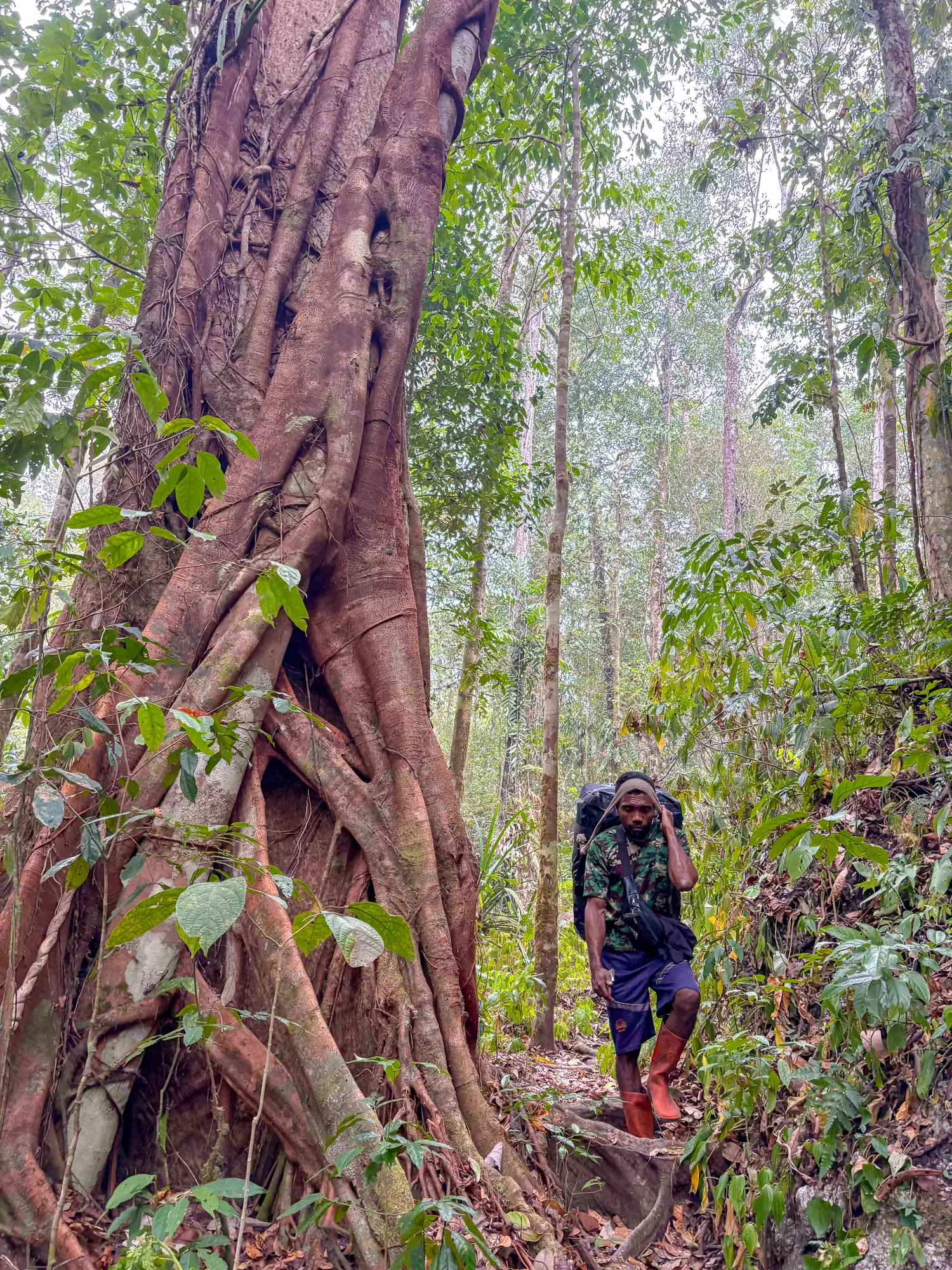
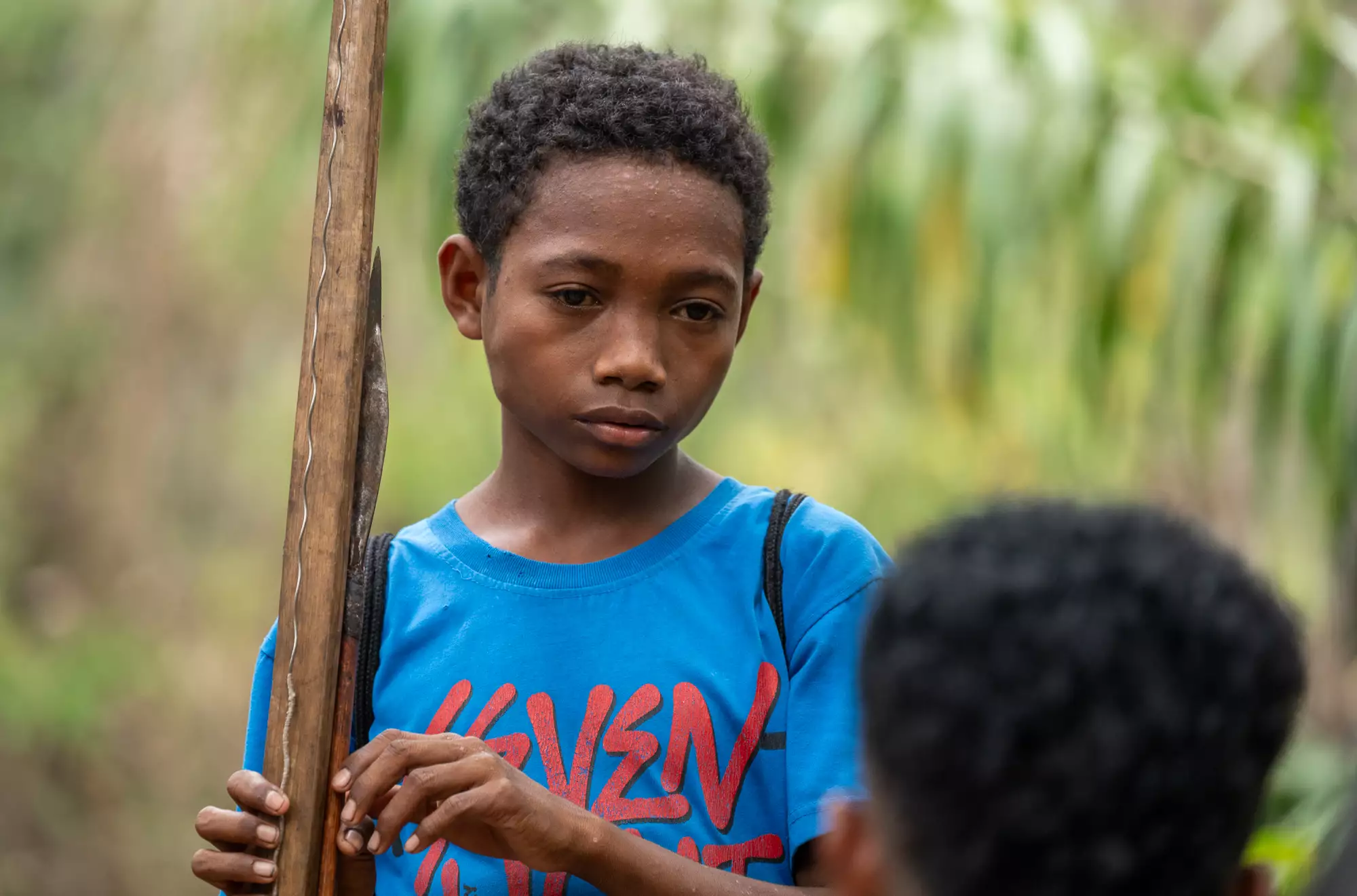
Local tribesmen, aka hunters, had setup camp here with the help of a Swiss photographer, who had the unique idea to create canopy hides. Our days consisted of little hides placed at water holes or those crazy canopy hides. In the meantime, they kept foraging for anything they could shoot.
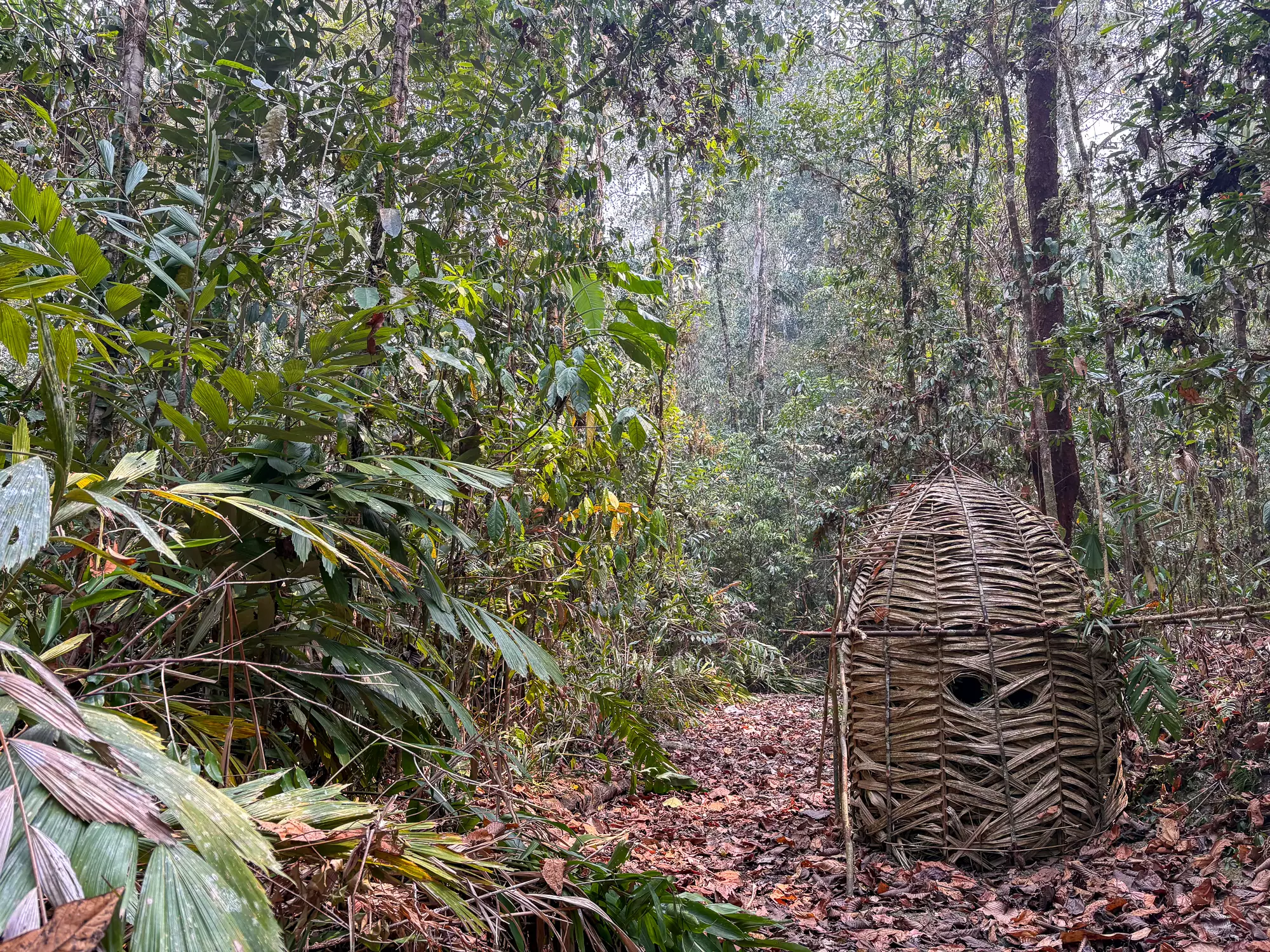
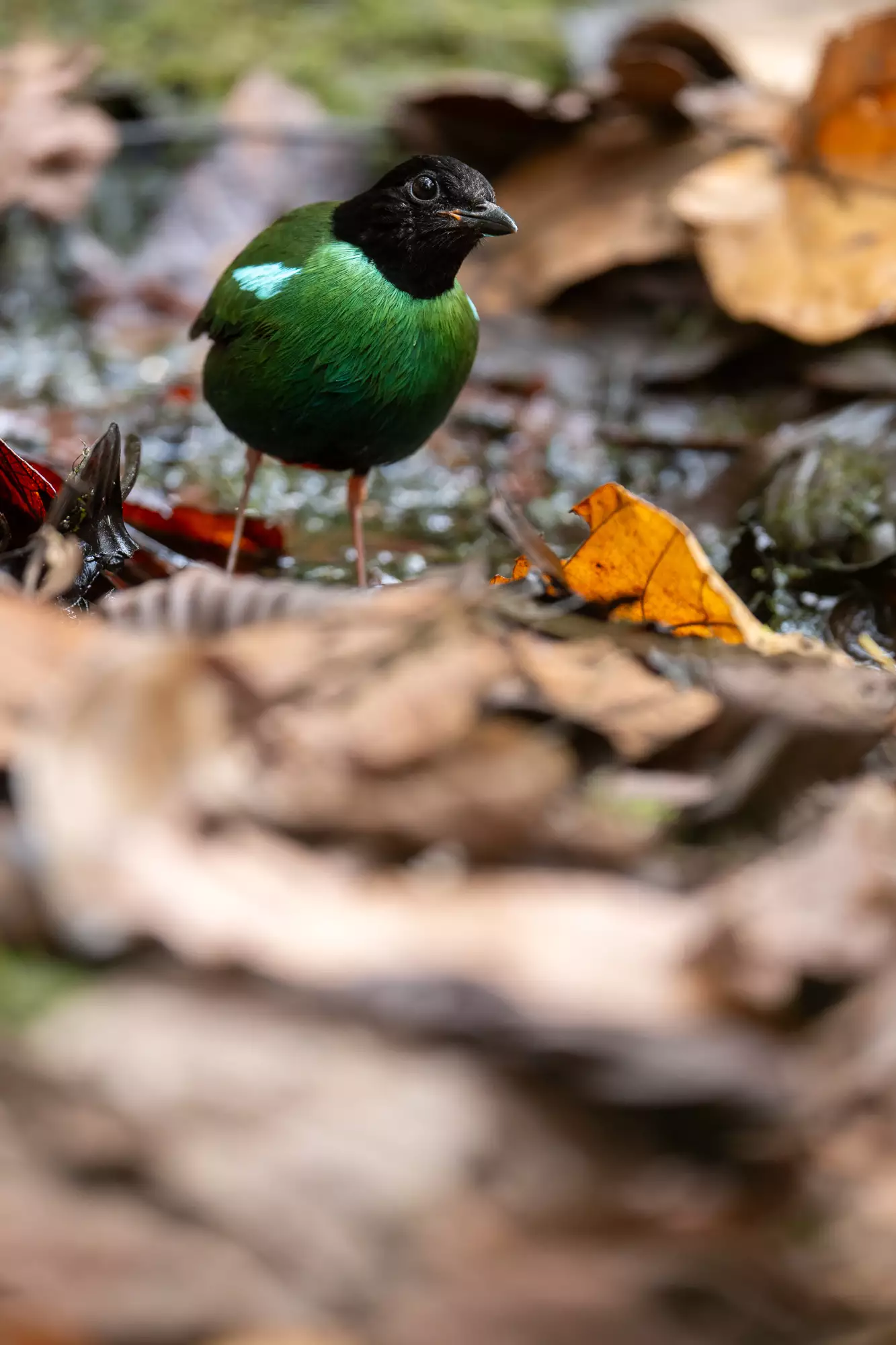
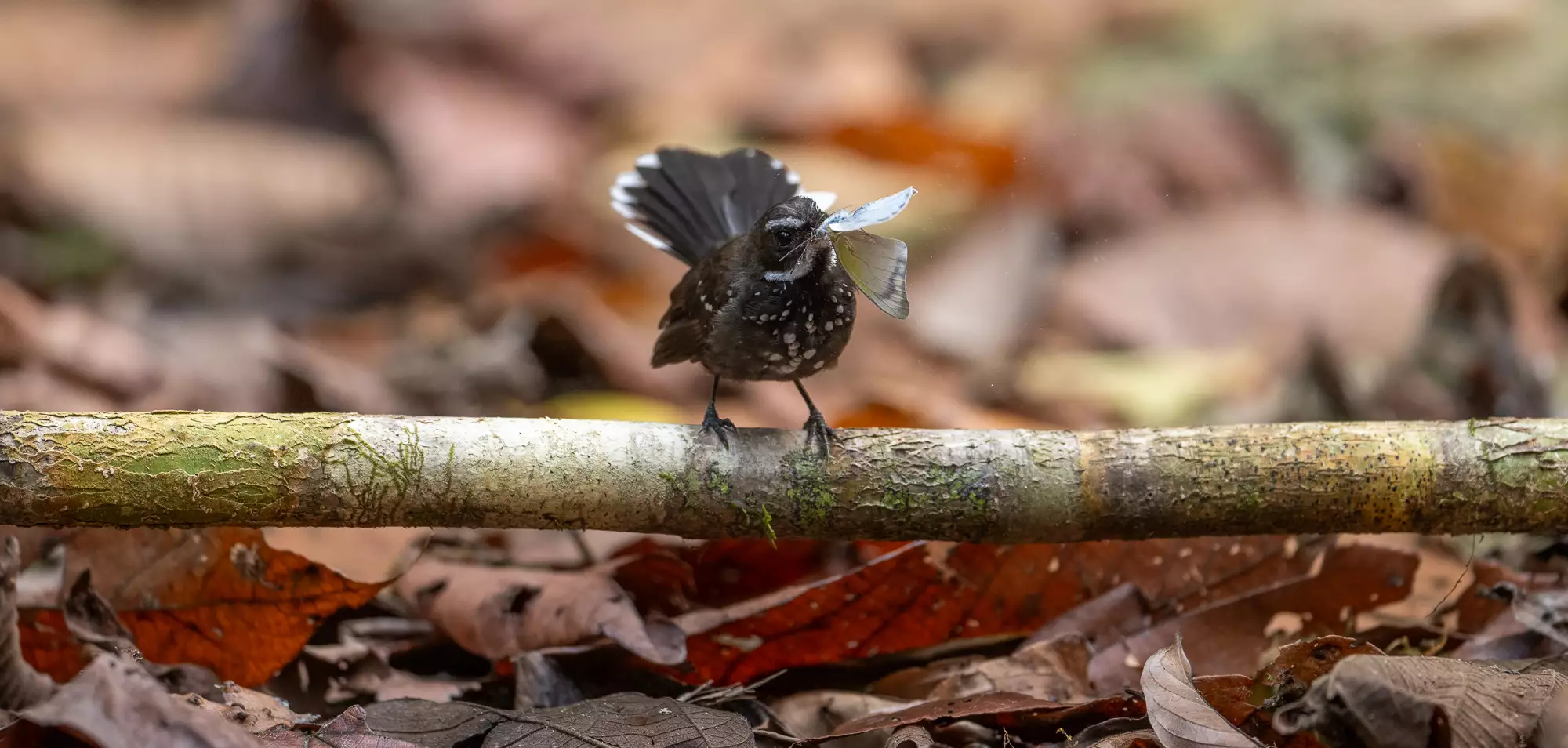
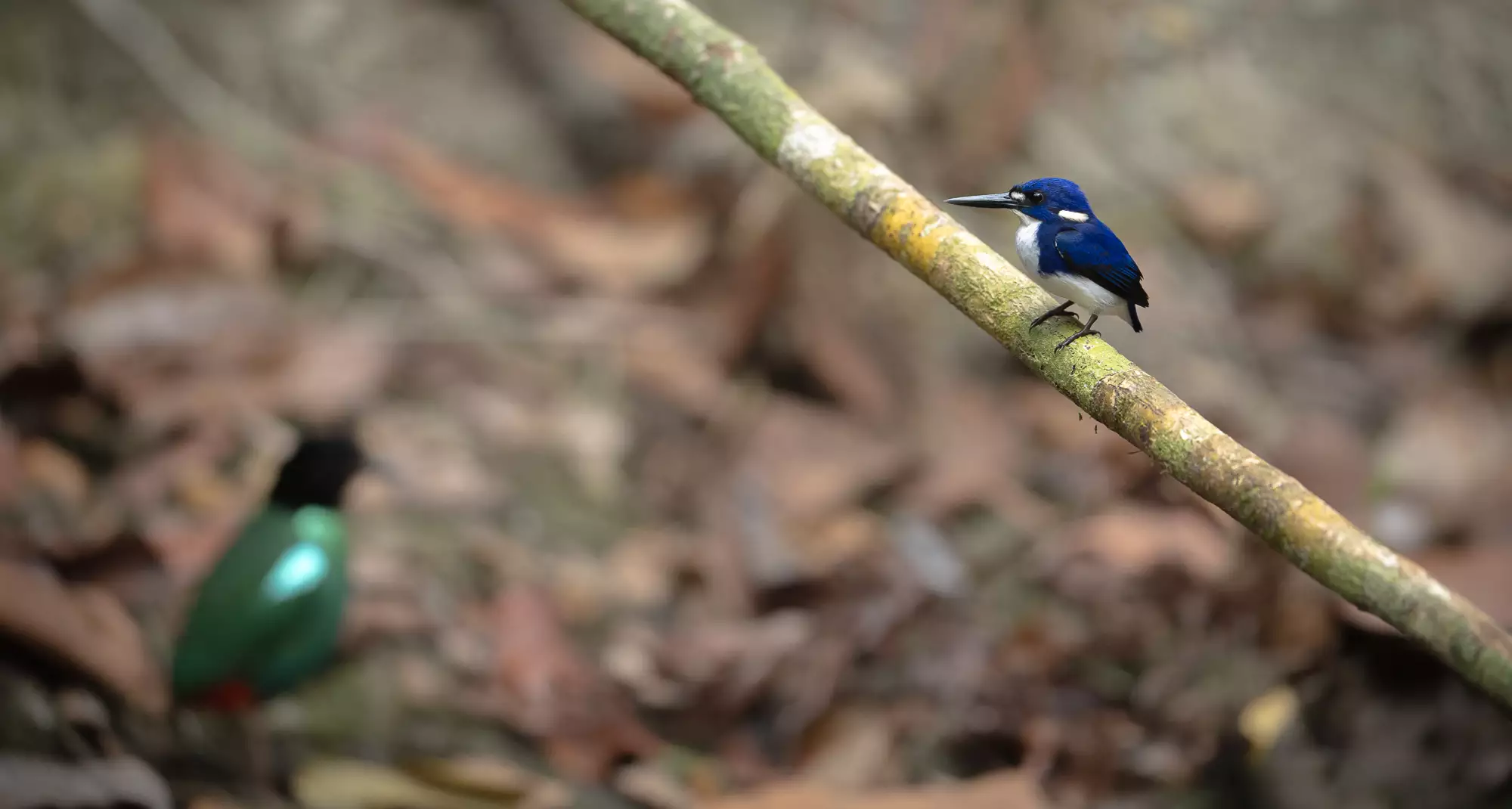
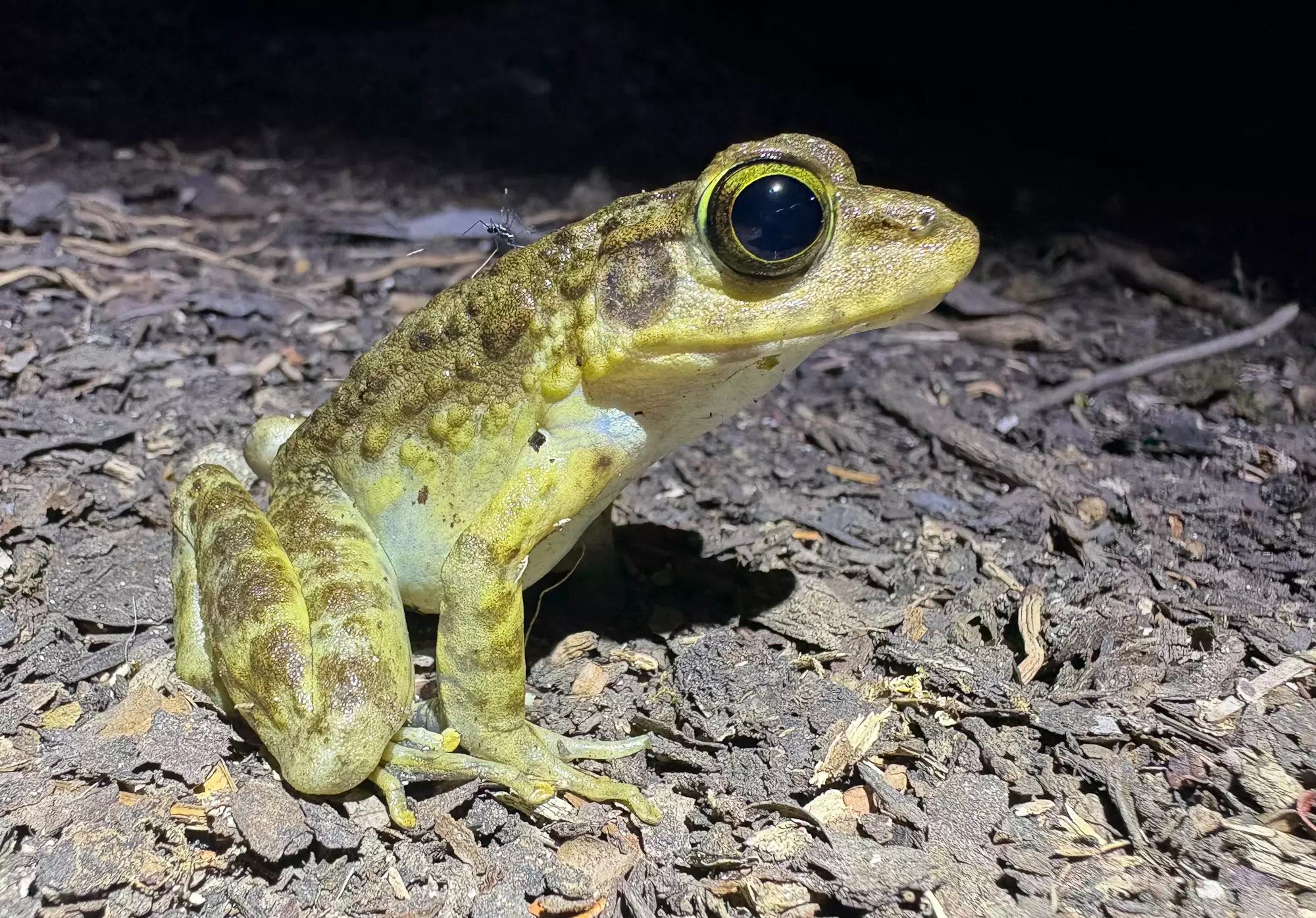
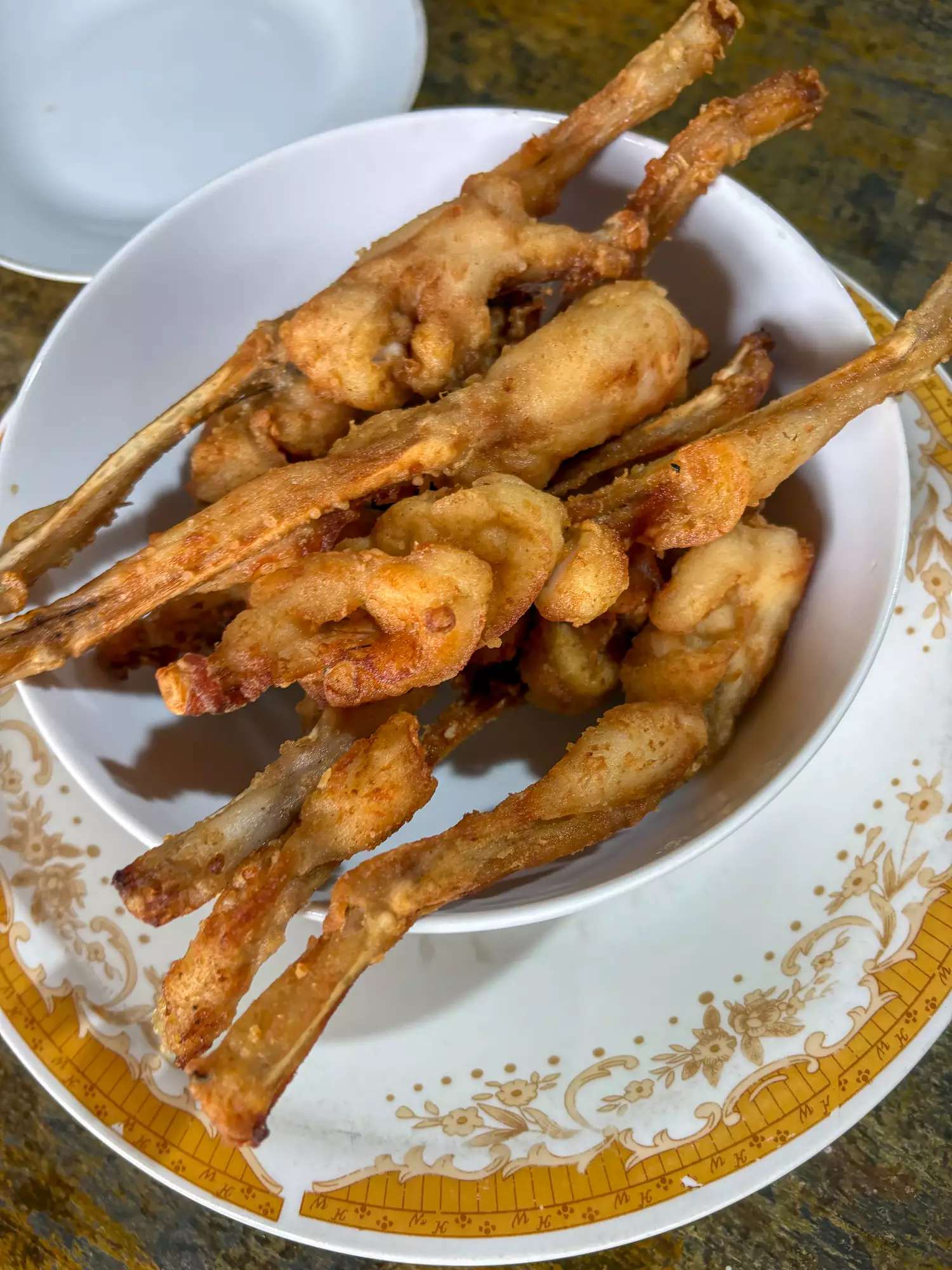
We were more interested in photographing Birds of paradise.
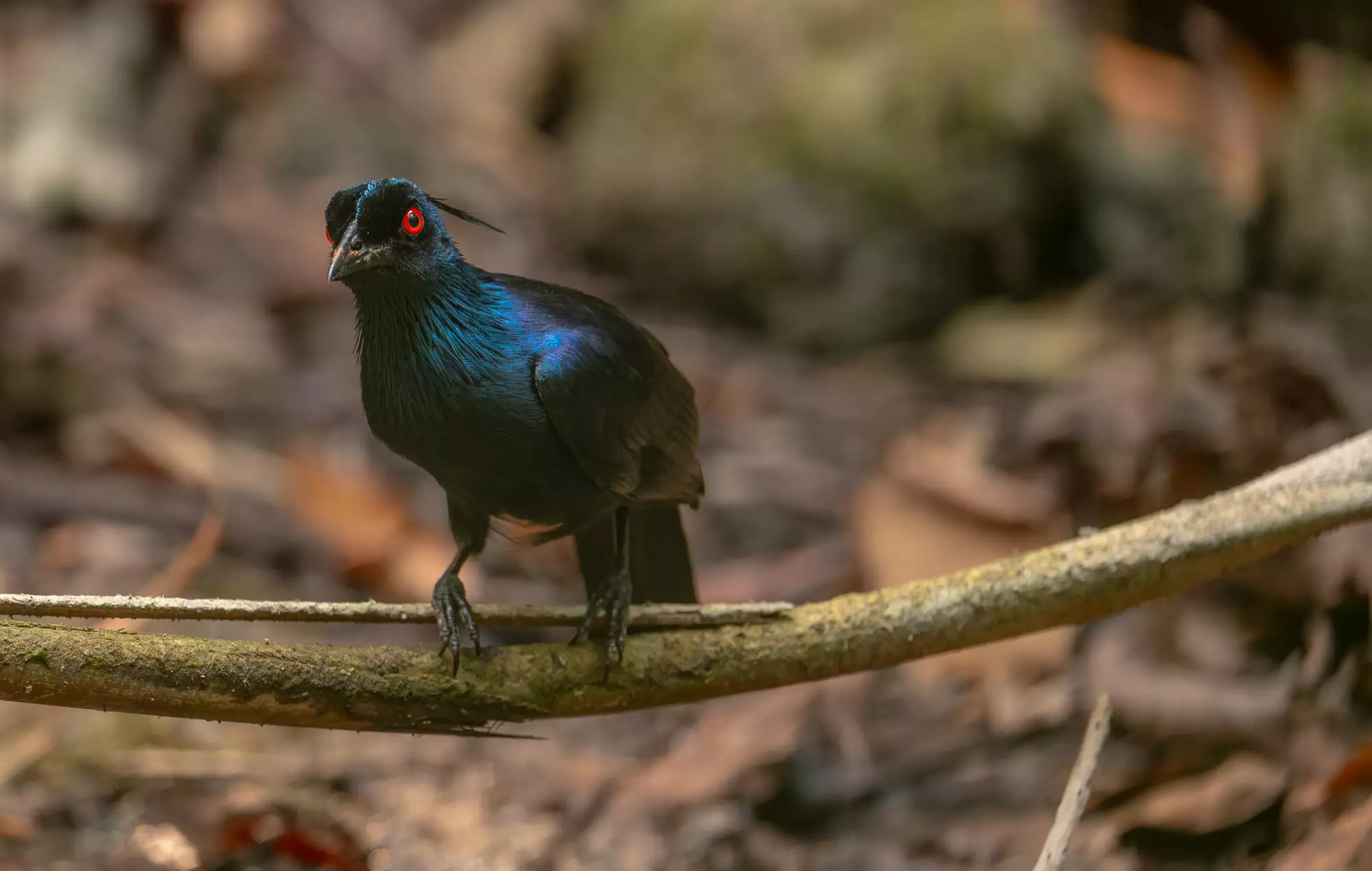
Like this Trumpet manucode, one of the 43 species of BOP:
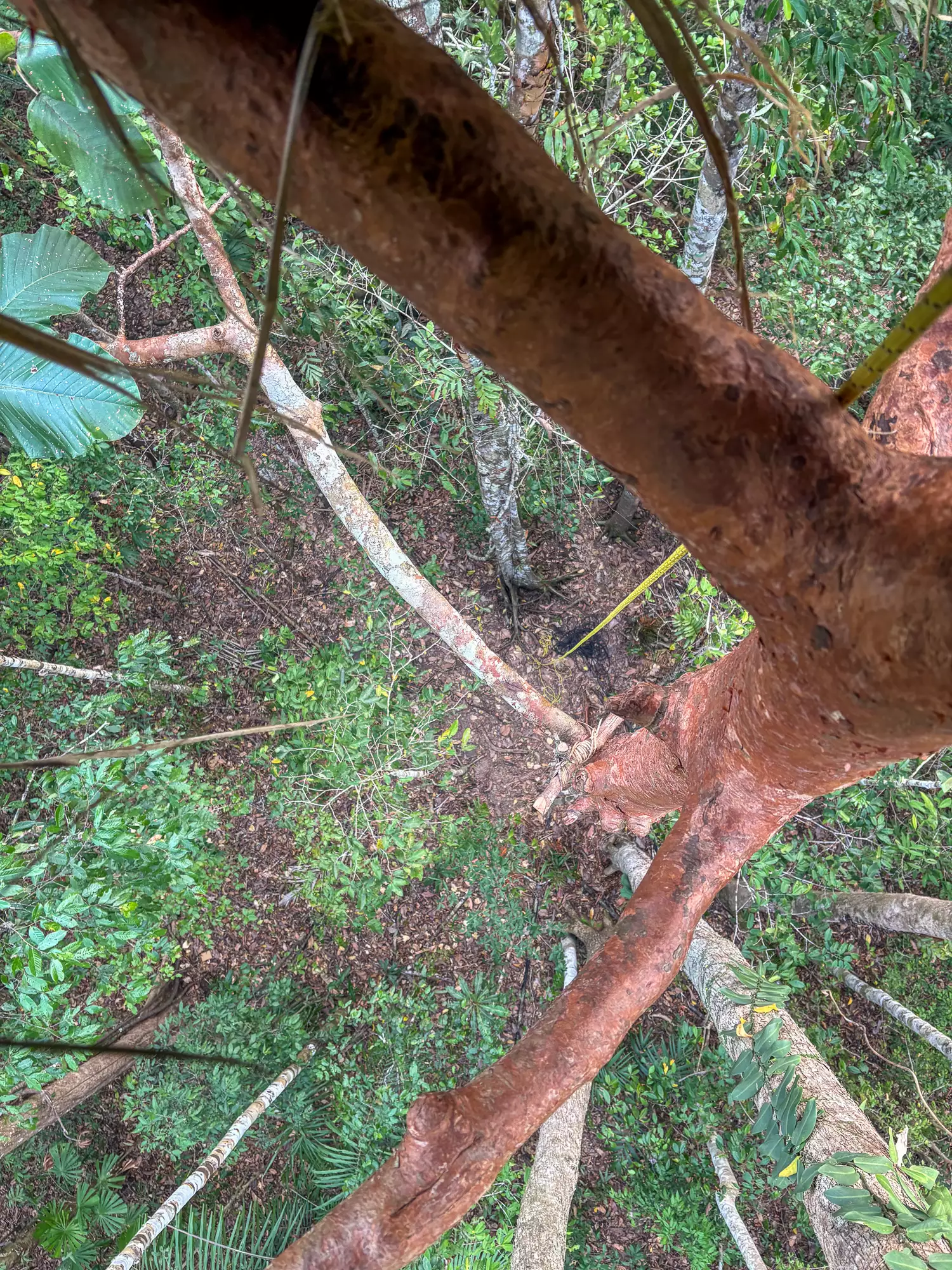
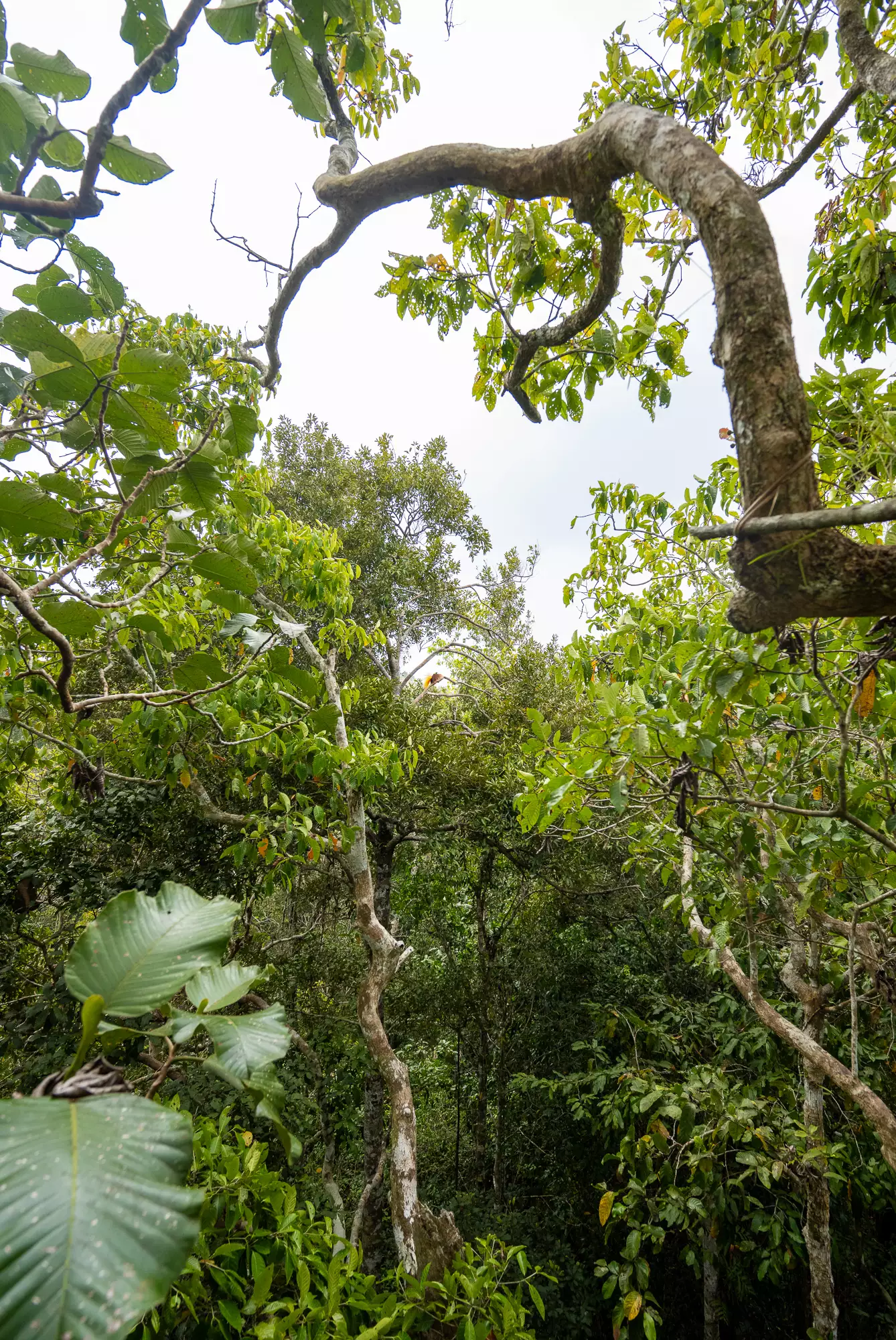
But the real images are all taken in the canopy hides. Three-four people will pull you up and you spend the morning or afternoon 25m above the ground, hoping for the Birds of paradise to perform courtship in front of you. Ideally, this also allows for wide angle imagery
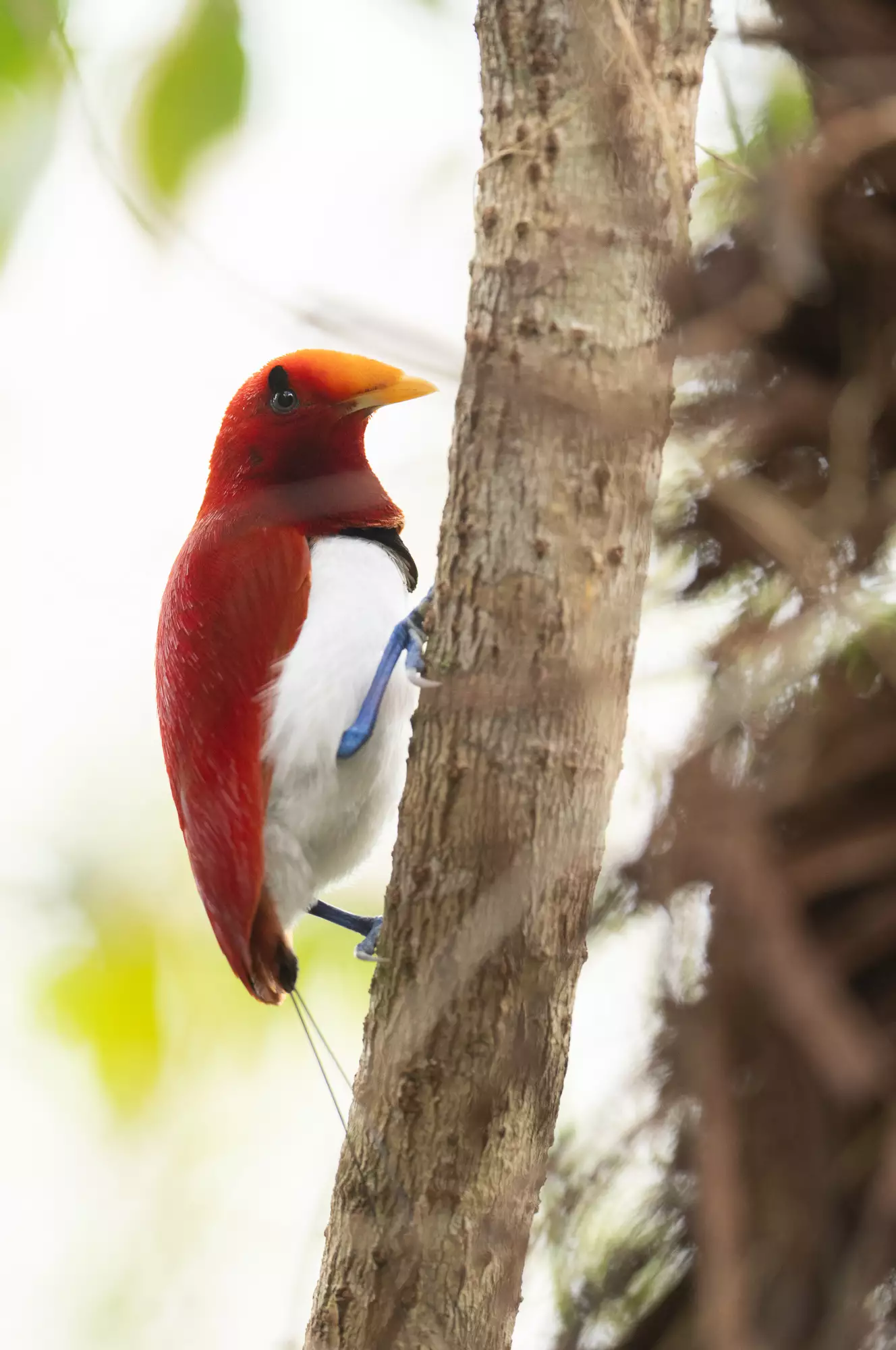
The greatest experience this trip, arguably was thanks to the Greater Birds of paradise.
Males will spend a little bit of time foraging, the entire rest of the day is spent on calling and displaying. All day, everyday.
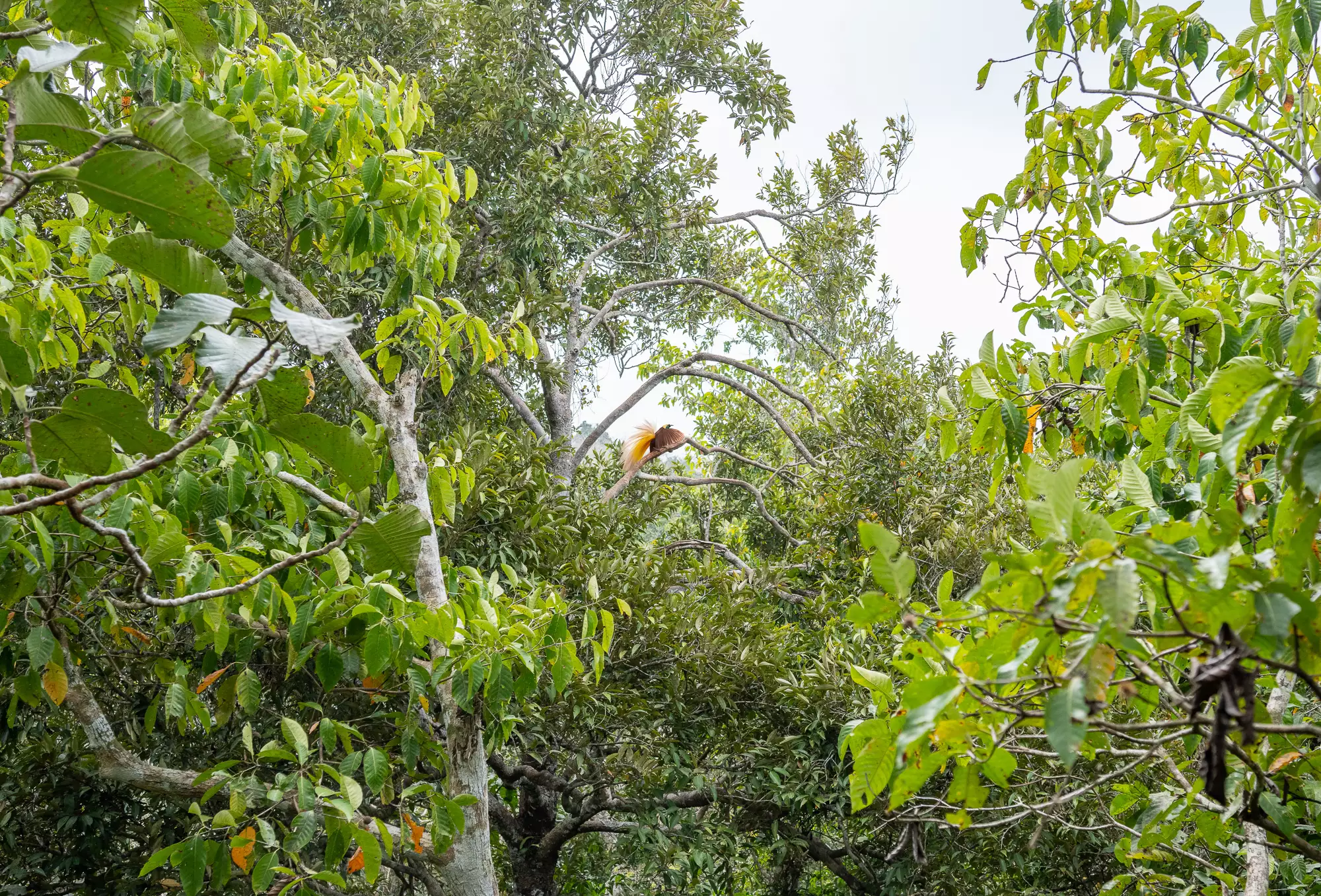
Before Wallace reached the Aru Islands in 1857, Europeans knew the Greater Bird-of-Paradise almost exclusively from footless, dried trade skins prepared by native hunters. Wallace became the first Western naturalist to observe, (yes, shoot), and document living specimens in their natural canopy habitat.
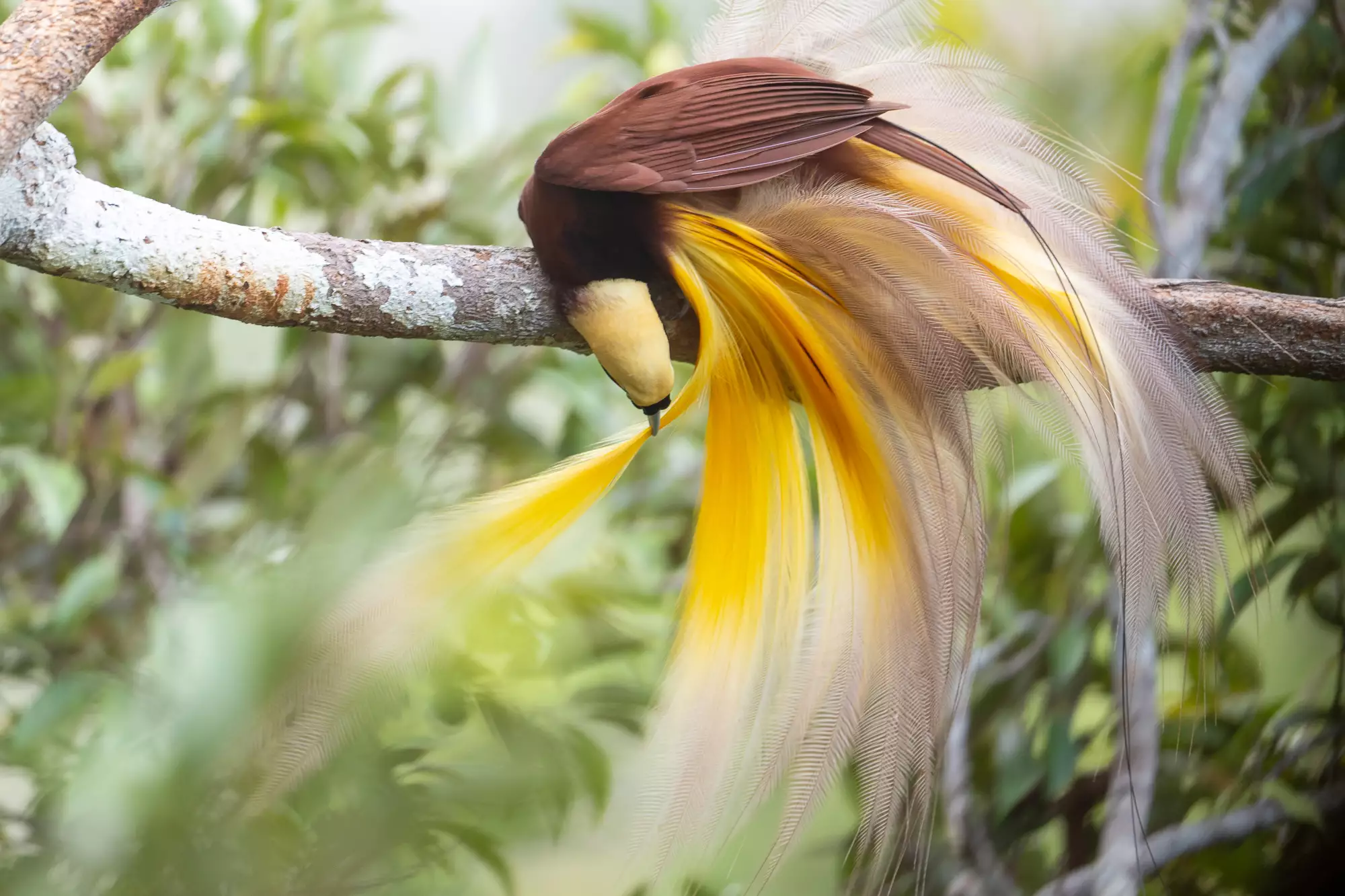
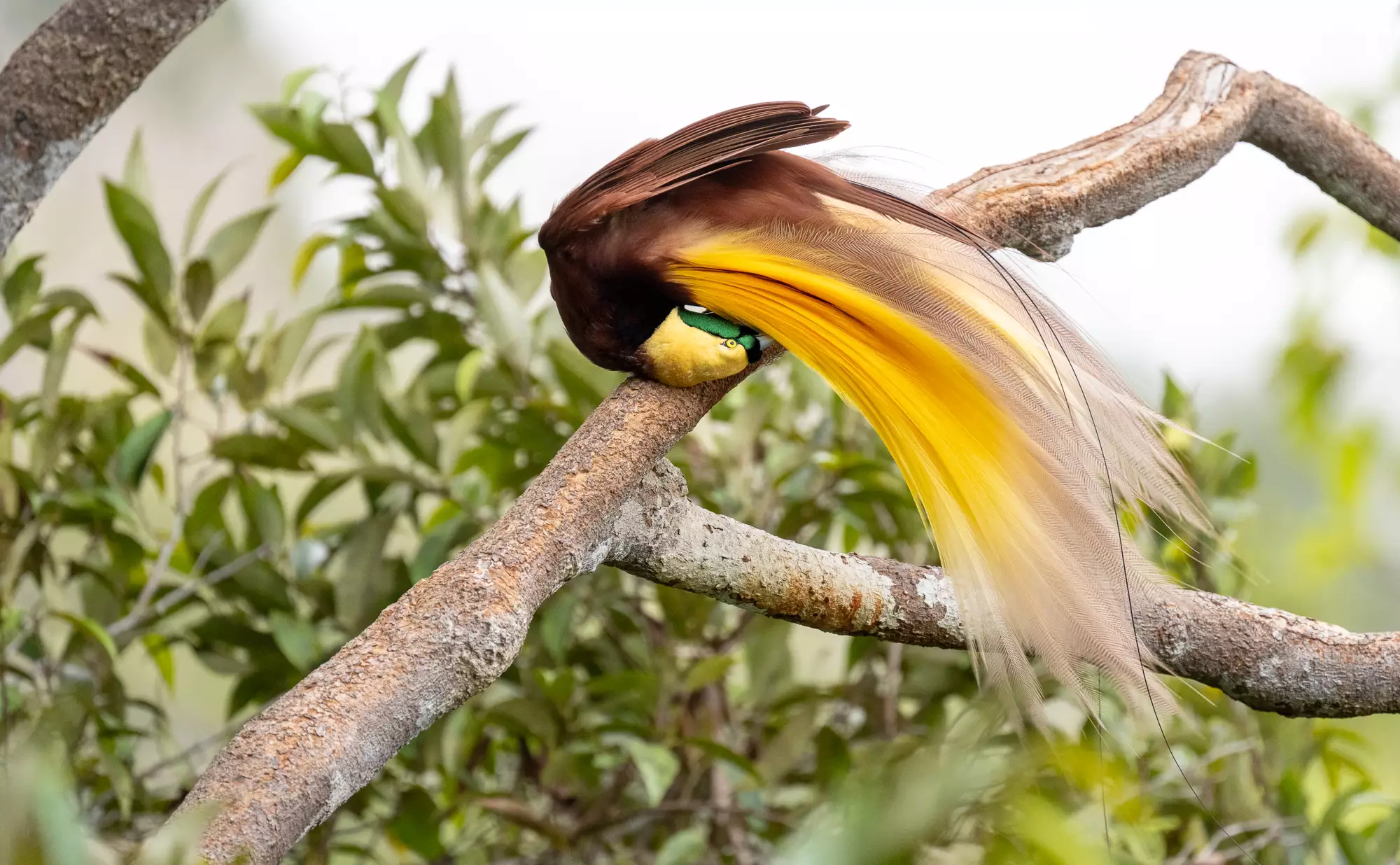
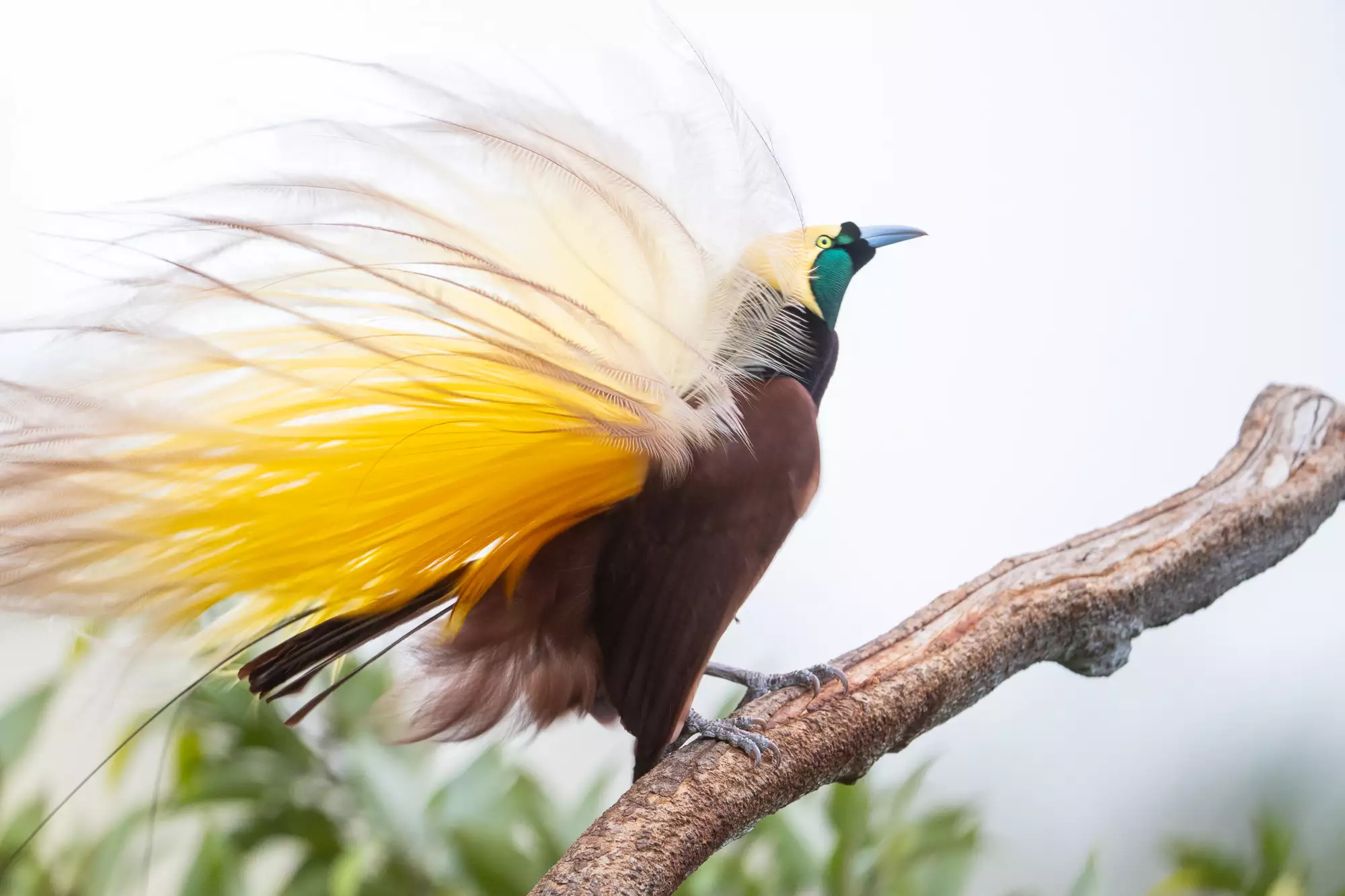
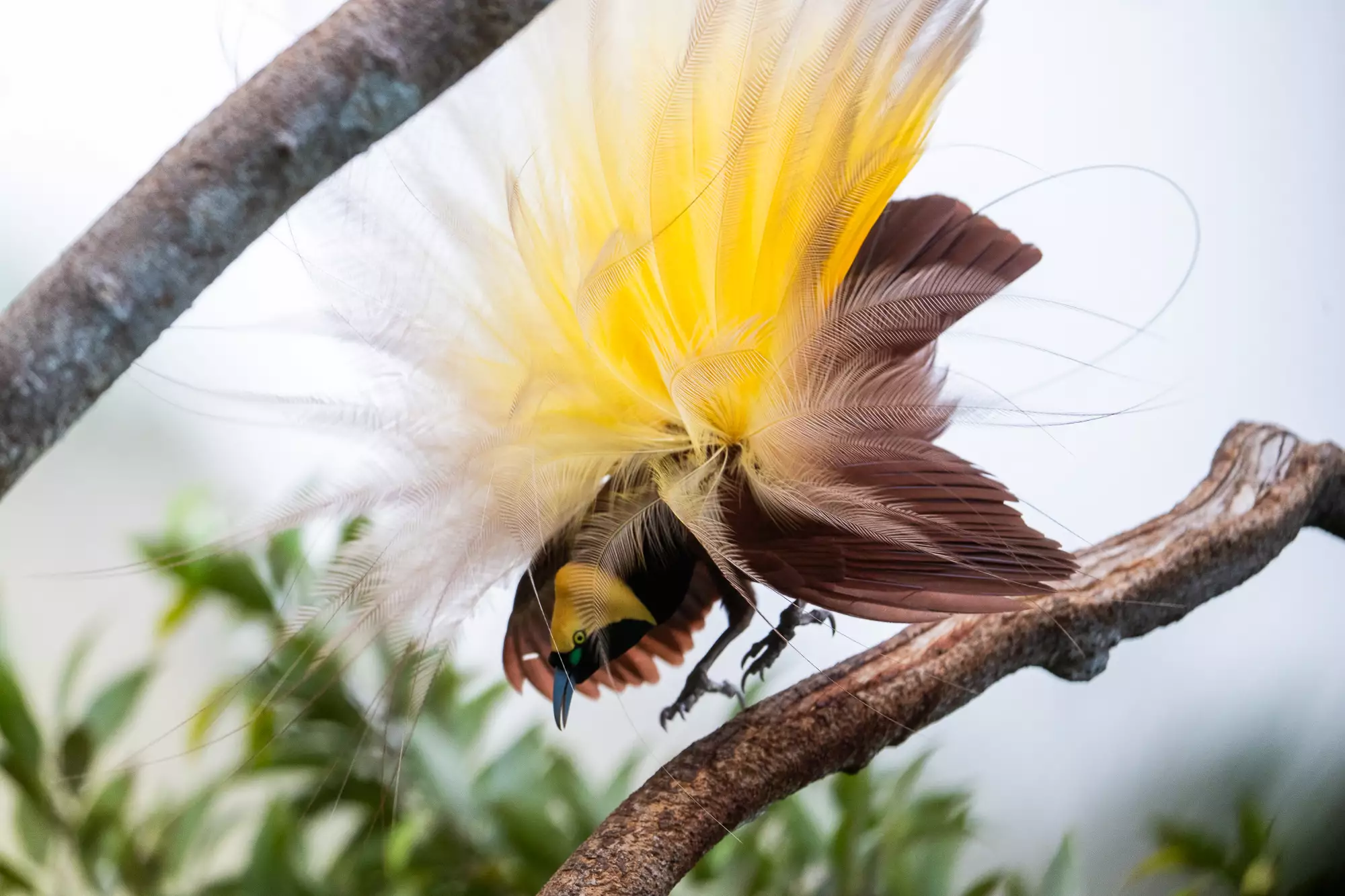
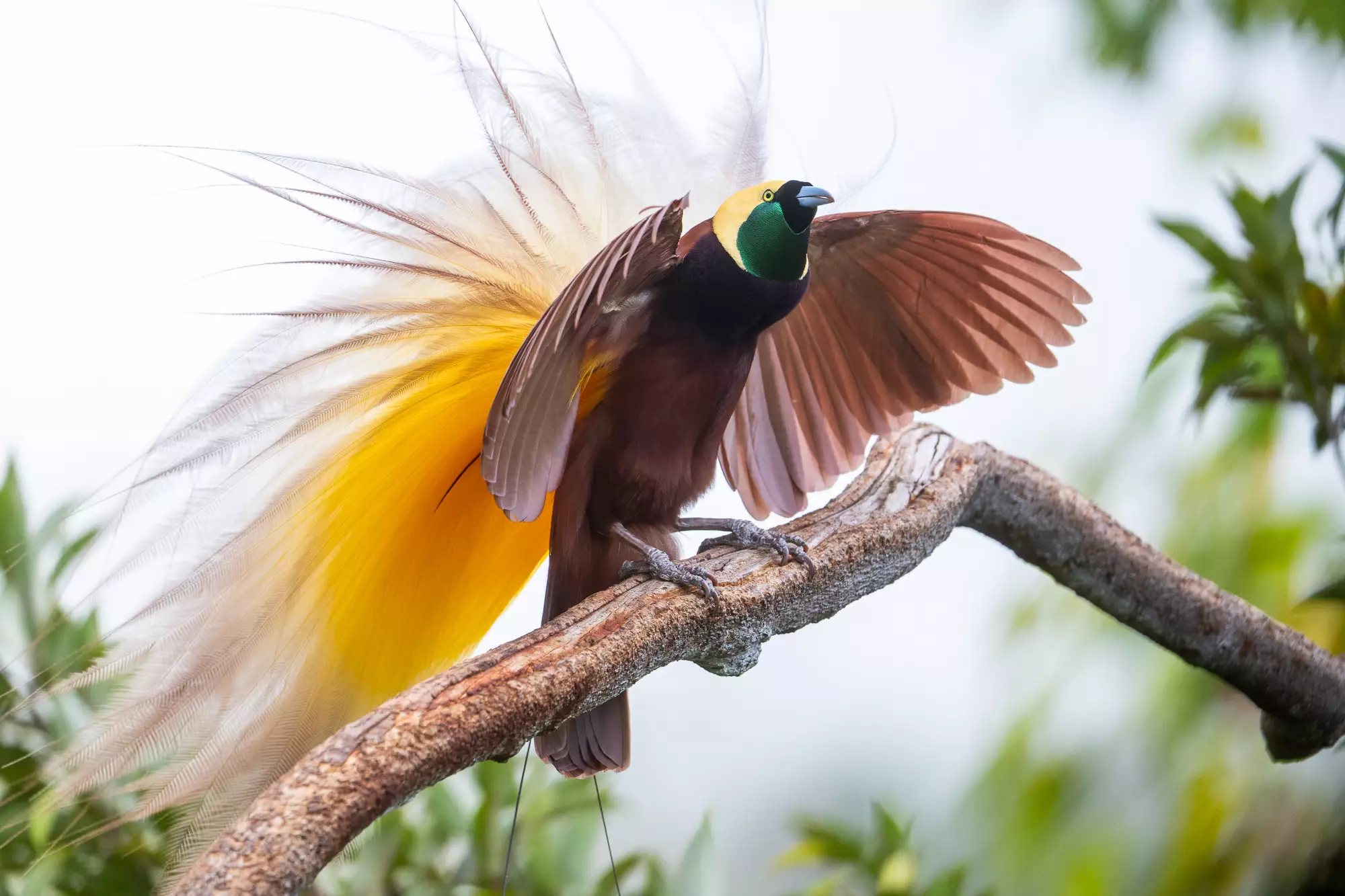
We cannot risk these species getting extinct because their jungle "needs" to become another palm oil plantation
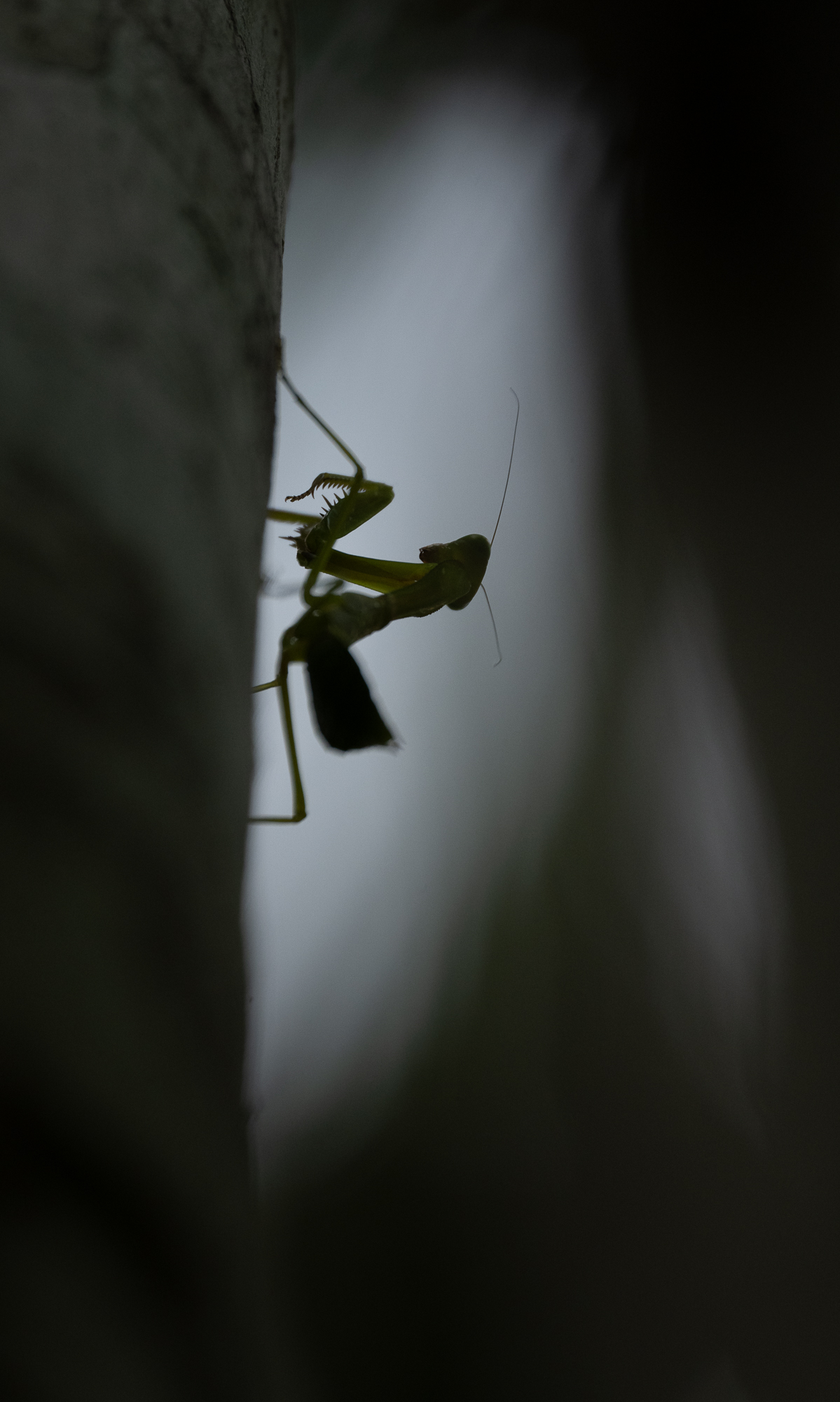
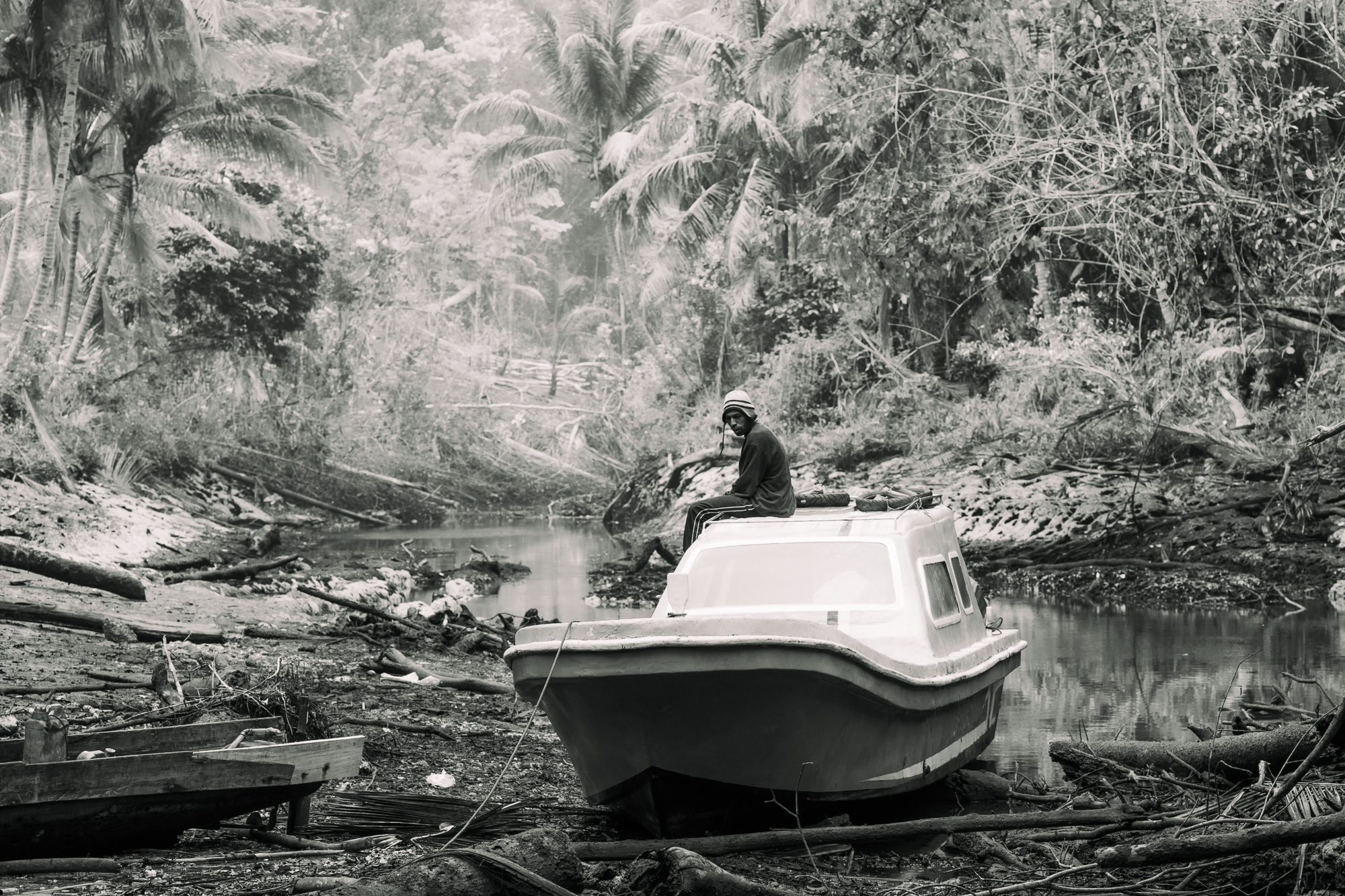
I often think, what would Jeffrey say about my imagery... And he would ask me where the pure B&W images are. Hence a little try:
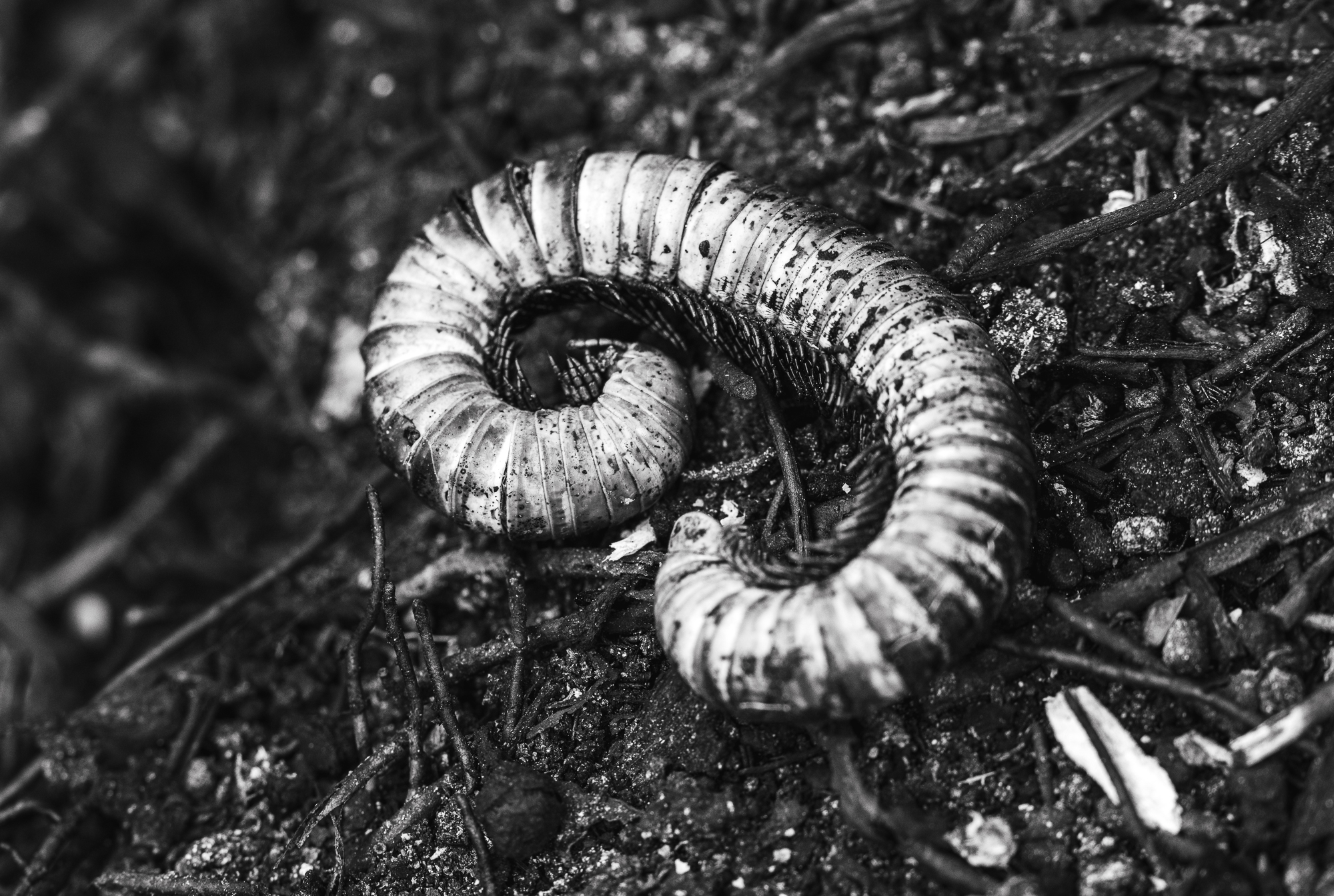
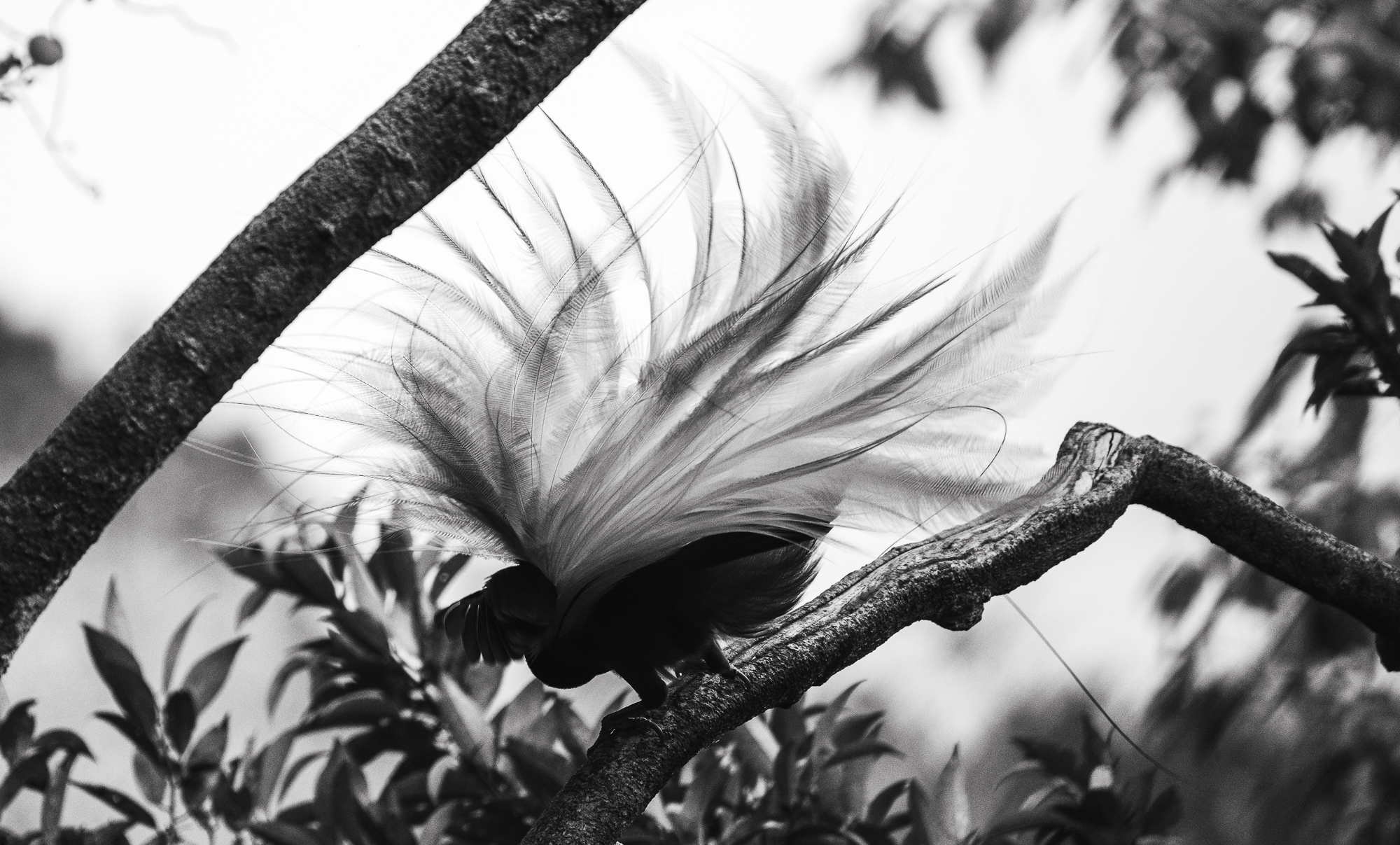
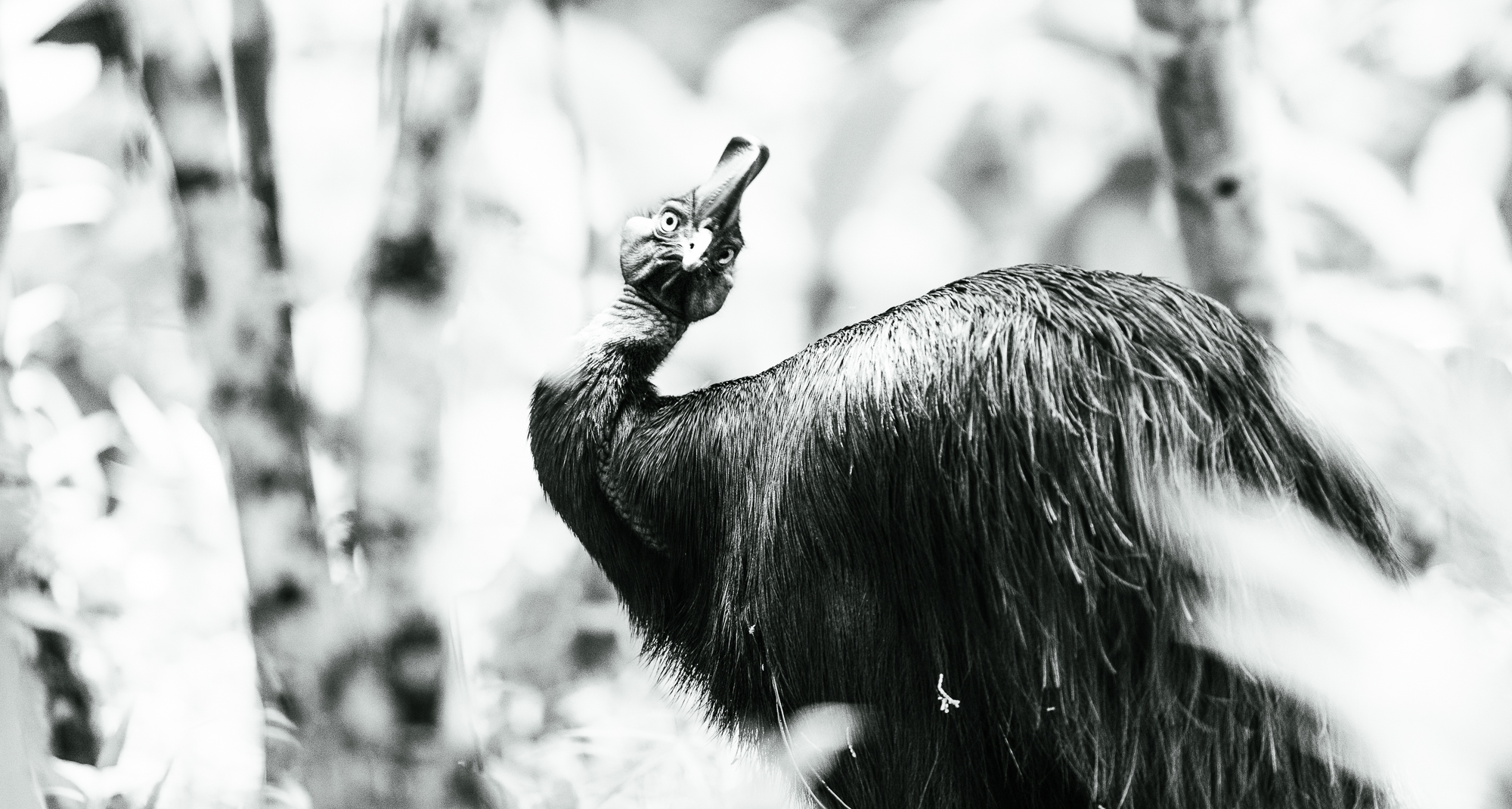
The time had come to sail back into civilisation, followed by four flights to get home.
So is this the end of this long story of a month long trip?
Actually, not. I had asked every porter, cook, guide and spotter to sign the book of Tim Laman. In total, dozens of people did it:
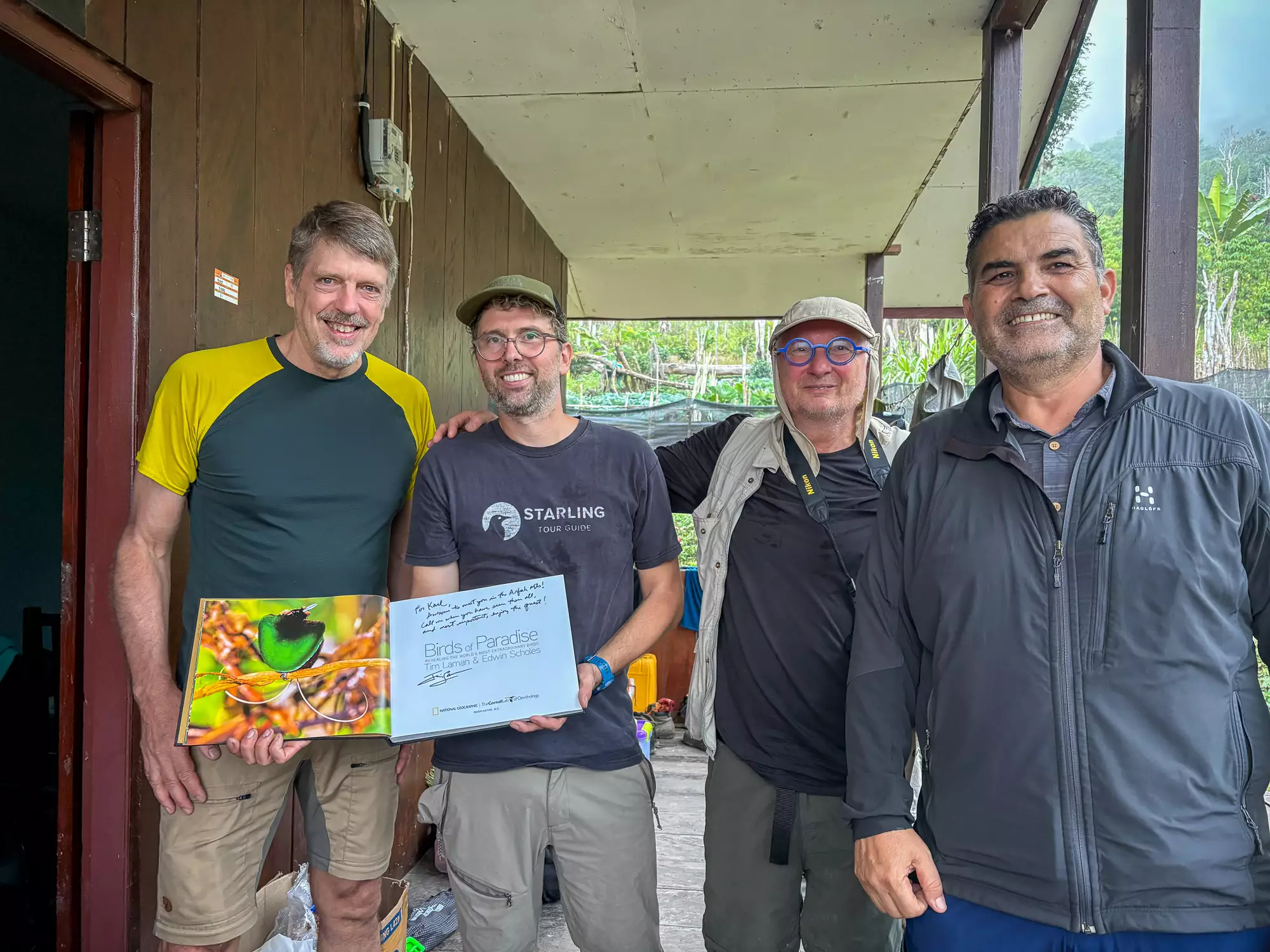
Who was rather baffled by the fact I was carrying his book around in the wet and warm jungles of Papua.
These memories will last a lifetime
So... who is joining us next time? And who wants to come to PNG?
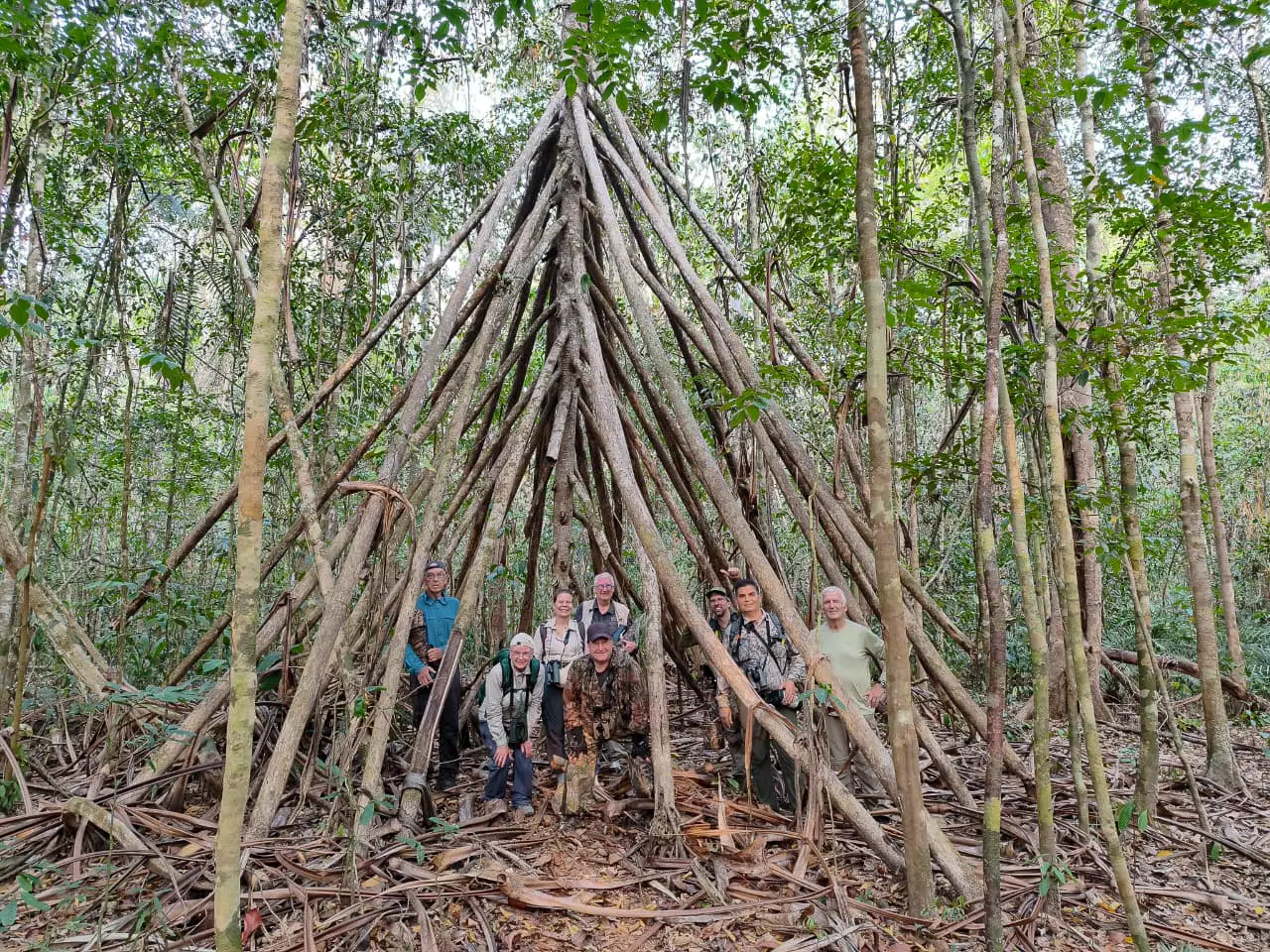
Mehd, you fixed so many different difficult things, and we were always cooking up plan A, B or even C together. Much respect and thanks to you.